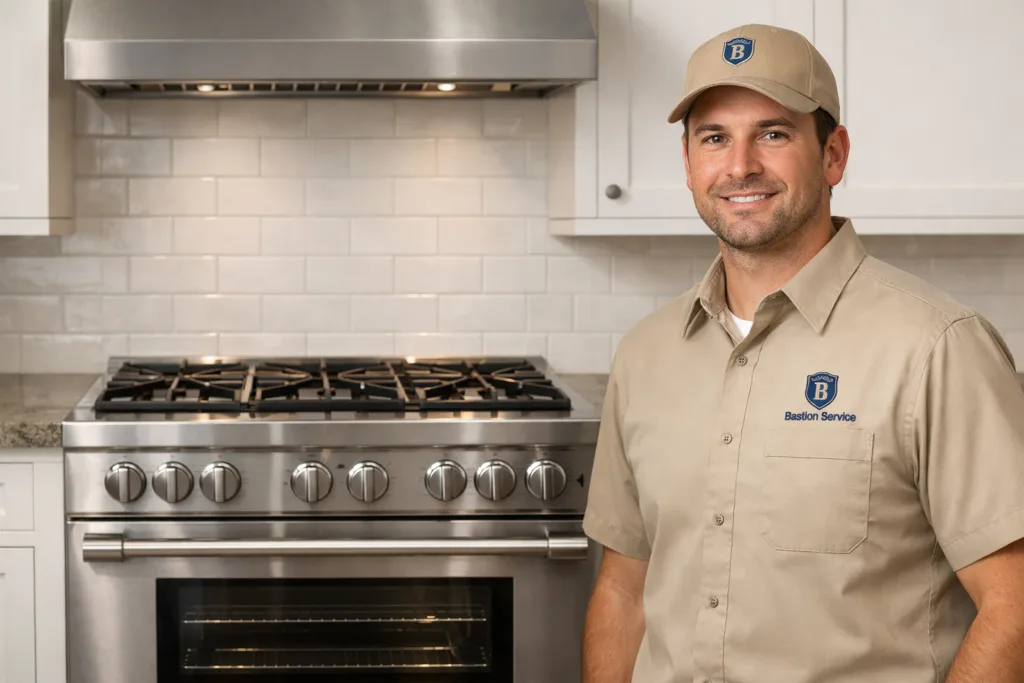
Cooking problems usually start small: longer preheat times, trays that brown unevenly, a broiler that seems weak, or controls that stop responding the way they used to. With a Wolf oven, those changes often point to a specific component or system rather than a vague “aging appliance” issue. The sooner the symptom pattern is checked, the easier it is to decide whether the fix is simple, whether the oven should be taken out of use, or whether a larger repair is developing.
Common Wolf oven symptoms and what they often mean
Many oven complaints sound similar at first, but the details matter. Whether the oven fails cold, struggles to preheat, overshoots temperature, or works only intermittently can change the likely repair path.
Not heating at all
If the oven will not heat, the cause may involve an igniter, bake element, sensor, relay, control issue, or power supply problem. Gas and electric configurations can fail in different ways, so the exact symptom matters. An oven that lights or glows but never builds heat is different from one that appears completely inactive.
Signs that usually need prompt service include:
- The display works but the cavity stays cold
- Preheat starts and then stalls
- The broil function works but bake does not, or the reverse
- The oven trips power or shuts itself down when heating begins
Slow preheat
A slow preheat complaint often points to a heating component that is weakening rather than fully failed. Homeowners sometimes adapt to the delay and keep using the oven for weeks, but that can mask a problem that is getting worse. If dinner takes noticeably longer to cook than it did before, the oven is giving useful warning signs.
Slow preheat can be tied to a weak igniter, an element that is not producing full output, a sensor reading incorrectly, or heat loss from a worn gasket or door alignment problem.
Uneven baking and temperature swings
When cookies brown more on one side, casseroles need rotating every time, or familiar recipes suddenly become unpredictable, the problem may involve temperature regulation, convection airflow, or poor heat retention. In some cases the oven does reach temperature, but it does not hold it steadily enough for consistent cooking.
Common clues include:
- Food browning too fast on top but staying pale underneath
- One rack cooking much faster than expected
- Items coming out underdone even after normal cook times
- Wide differences between one baking cycle and the next
Control and display problems
If the control panel does not respond reliably, settings change on their own, or error messages appear repeatedly, the issue may involve the interface, wiring, sensor feedback, or the main control system. These faults are frustrating because the oven may seem to work normally one day and fail the next.
Repeated resets, a clock that flickers, and cycles that cancel unexpectedly are all worth checking before they turn into a complete no-start condition.
Why symptom details matter with a Wolf oven
Wolf ovens are built for consistent cooking performance, so even subtle changes can be meaningful. “It still works, but not like it used to” is often enough to justify service when preheat times, bake results, or control behavior have shifted. Brand-specific diagnosis matters because parts such as sensors, fans, controls, and ignition components affect cooking performance in ways that are not always obvious from the front panel alone.
That is especially true when the oven works intermittently. A unit that fails only after it gets hot, loses temperature mid-cycle, or behaves differently in bake and broil modes needs more than part-guessing. The goal is to identify the actual fault, check for related wear, and avoid replacing good components.
When to stop using the oven and schedule service
Some issues are inconvenient. Others should be treated as stop-use problems until the oven is inspected. Continuing to run the appliance with a serious heating or electrical fault can make the final repair more involved.
It is smart to pause normal use if you notice:
- The oven overheats or burns food unusually fast
- There is repeated clicking, failed ignition, or delayed ignition behavior
- The unit shuts off during cooking
- Error codes return after clearing
- The door will not close securely or the lock mechanism does not behave normally
- There is a burning smell, visible sparking, or tripped breakers
Even without a full breakdown, a clear performance decline is a good reason to book service in Palms before additional parts are affected.
Door, gasket, and hinge problems that affect cooking
Not every oven repair starts with a failed control or heating component. Mechanical wear around the door can change how the oven performs. If the door does not close tightly, heat escapes and preheat times stretch out. Temperature stability can also suffer, which shows up as uneven baking or food that dries out before it is fully cooked.
Watch for:
- A door that drops, shifts, or feels loose
- A torn, compressed, or hardened gasket
- Hot air leaking from the front of the oven
- Condensation or excess heat around the control area
These may look minor, but they can create real cooking inconsistencies and unnecessary strain on heating components.
Repair or replacement: how homeowners usually make the call
In many cases, repairing a Wolf oven makes sense when the problem is confined to one system and the rest of the appliance is in good condition. Igniters, elements, sensors, fans, switches, door components, and many control-related faults are often repairable issues.
Replacement becomes a more serious consideration when several major systems are failing at once, the oven has a long pattern of repeated breakdowns, or the overall condition no longer supports a sensible repair investment. The best decision usually comes from looking at four things together:
- The current symptom and confirmed failed part
- The age and condition of the oven
- Whether the appliance has had recurring repairs
- Whether the repair restores reliable everyday use
For most households in Palms, the question is not just “Can it be fixed?” but “Will the repair bring back stable cooking performance without turning into a repeat issue?”
What to keep track of before a service visit
A few details can make oven problems easier to pinpoint. If you have noticed changes, write down what the oven is doing and when it happens. That can help separate a sensor issue from a heating issue, or a door problem from a control fault.
Helpful details include:
- Whether the problem happens in bake, broil, convection, or all modes
- How long preheat takes compared with normal
- Whether the issue appears only after the oven has been running for a while
- Any error codes shown on the display
- Whether the problem is constant or intermittent
That information often leads to faster diagnosis and a more practical repair recommendation.
Residential Wolf oven repair in Palms
For homeowners in Palms, the most useful approach is to treat changing oven performance as an early symptom instead of waiting for a complete failure. If your Wolf oven is not heating correctly, takes too long to preheat, bakes unevenly, swings in temperature, or has control problems, the next step is to identify the actual cause and determine whether repair is the right path for the appliance’s condition.
A well-targeted repair can restore normal cooking results, shorten preheat time, and prevent the frustration of guessing around an oven that no longer performs consistently.