
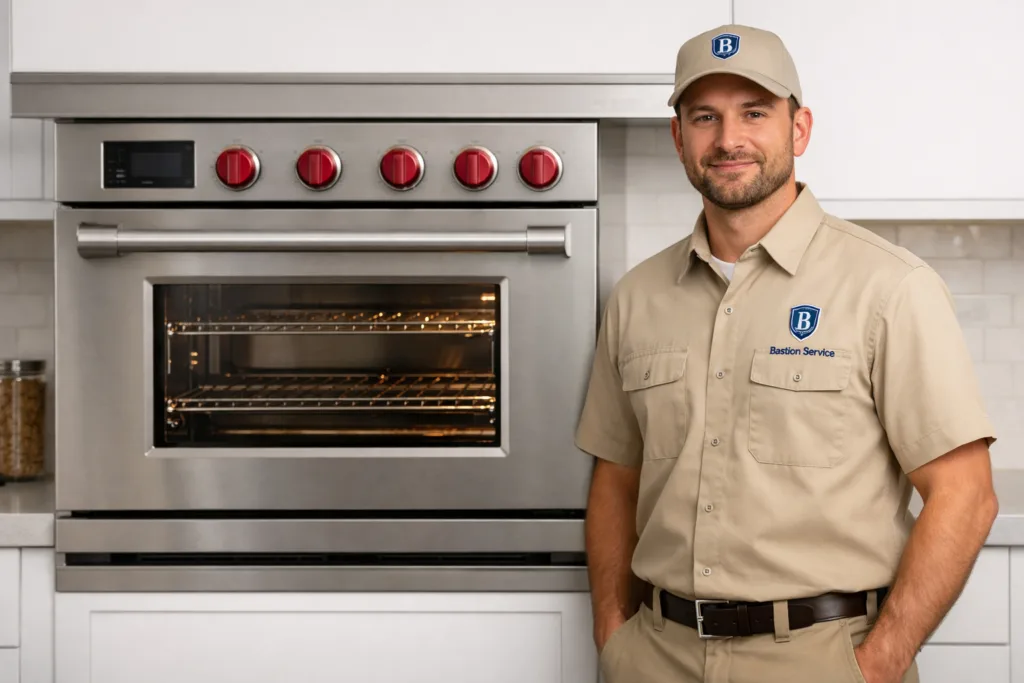




How Wolf cooking problems usually show up at home
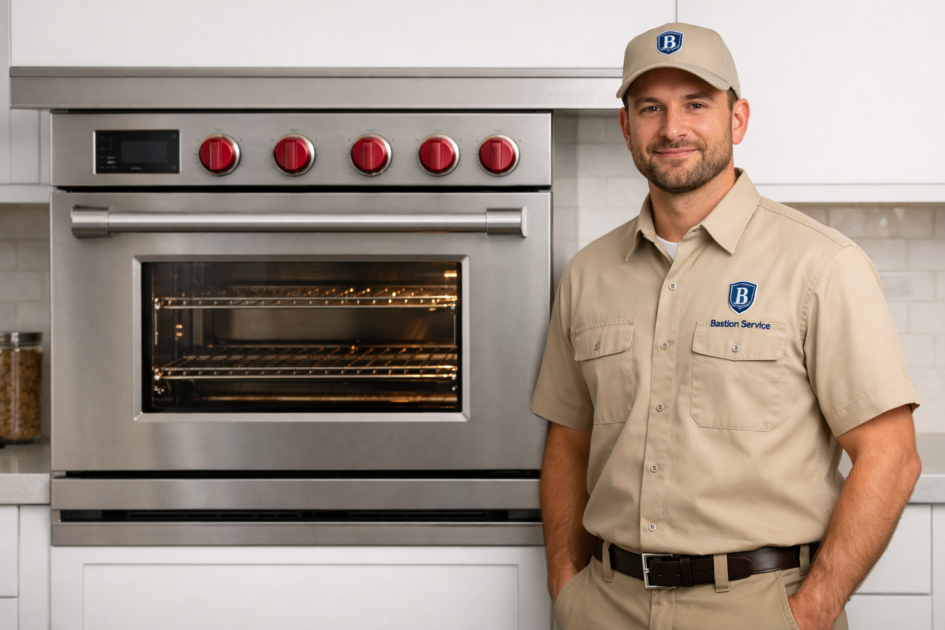
Most Wolf cooking issues do not start as complete failures. A burner may click longer than usual before lighting, an oven may seem slow to preheat, or a range may cook differently from one day to the next. Those early changes matter because they often point to a specific system falling out of normal operation, not just general wear.
For specific Wolf appliance paths in Palms, review Wolf Oven Repair in Palms, Wolf Wall Oven Repair in Palms, and Wolf Range Repair in Palms.
In Palms homes, the most useful approach is to pay attention to the pattern. Does the problem happen every time or only once the appliance is hot? Is it limited to one burner, one oven mode, or one section of the range? Does the display show an error, or does the appliance simply stop performing the way it used to? Those details help separate ignition faults from temperature regulation issues, control problems, airflow faults, and power-related failures.
Cooktop symptoms that deserve attention
Wolf cooktops are often evaluated for ignition trouble, uneven flame, or burners that stop behaving consistently. Because several parts work together during ignition and flame control, the same symptom can have more than one cause.
Clicking that continues after ignition
If a burner lights but keeps clicking, the issue may involve the ignition switch, moisture around components, misalignment, or a spark system problem. Sometimes the burner can still be used for a while, but the symptom usually means something is no longer working the way it should.
Burners that light slowly or not at all
When a burner takes repeated tries to ignite, the fault may be related to the igniter, burner cap positioning, gas flow behavior, or wiring. If one burner struggles while others work normally, that often helps narrow the problem to a localized component rather than the full appliance.
Uneven flame or weak heating
A flame that looks irregular or does not spread evenly can affect daily cooking more than many homeowners expect. Pans may heat unevenly, simmer control may become unreliable, and cooking times may drift. In some cases, the issue is tied to the burner assembly itself. In others, the cause may be a valve or supply-side problem that needs proper testing.
Oven performance issues and what they can mean
Wolf ovens usually get service attention when food stops cooking predictably. Homeowners often notice this before they notice any hard failure. A roast may take much longer than expected, baked goods may brown unevenly, or the oven may appear hot without actually reaching the selected temperature.
Slow preheating
Long preheat times can point to a weak heating element, an igniter issue on gas models, a sensor problem, or a control that is not sending the right signals during the heat-up cycle. This symptom is easy to dismiss at first, but it often gets worse rather than better.
Temperature that runs too hot or too cool
If food consistently overcooks or undercooks, the problem may be more than simple calibration drift. Temperature sensors, relays, control boards, and heating components can all affect how accurately the oven cycles. A model-specific diagnosis matters because the fix depends on which part of the temperature regulation system has failed.
Uneven baking and hot spots
When one side of a dish browns faster or one rack position performs very differently from another, airflow and convection should be considered along with basic heating performance. What seems like a general baking complaint may actually trace back to a fan issue, a partial heating fault, or a sensor reading problem.
Range problems can involve more than one system
A Wolf range combines surface cooking and oven functions in one appliance, so the symptom picture can be mixed. The burners may work while the oven fails to heat, or the oven may perform normally while one or two top burners become unreliable. That split behavior is important because it usually points to a subsystem fault rather than a single issue affecting the entire unit.
Ranges are also more likely to show overlapping symptoms. For example, a homeowner may notice delayed ignition on top and uneven baking below, but those two complaints may be unrelated. Separating them during diagnosis helps avoid assuming one repair will solve everything.
Wall oven issues often start with control or heating irregularities
Wolf wall ovens are commonly checked for power loss, display issues, incomplete heating cycles, and temperature inconsistency. Because these units are built into the kitchen, homeowners usually want to know whether the problem is mainly electronic, thermal, or tied to a specific failed part before making a repair decision.
Intermittent shutoffs, buttons that stop responding, or a cycle that ends before cooking is complete can all indicate control-related trouble. On the other hand, an oven that powers on but never reaches temperature may be dealing with a heating, sensor, or relay problem instead. Similar symptoms can lead to different repair paths, which is why symptom-based testing is so important.
Useful clues from common symptom patterns
While a full inspection is still needed, certain patterns often help homeowners understand what category of problem they may be dealing with:
- One burner fails but the others work: often suggests a localized ignition, burner, or valve-related issue.
- All burners spark oddly or click together: may point to a shared ignition system problem or switch fault.
- Oven heats, but cooking results are inconsistent: often tied to sensor accuracy, cycling issues, or airflow problems.
- Oven does not heat at all: may involve an igniter, element, control, relay, or power supply fault.
- Display errors or intermittent shutdowns: can suggest control board, wiring, or communication problems within the appliance.
- Door not sealing correctly: hinge, gasket, or alignment issues can affect temperature stability and cooking performance.
These clues are helpful because they move the conversation beyond “it is not working right” and toward the actual system that needs attention.
When waiting usually makes the repair situation worse
Some appliance problems stay inconvenient for a while before becoming serious, but many do not stay contained. Repeated failed ignition attempts can wear components further. An oven that overheats or cycles poorly can place added stress on sensors, controls, and heating parts. Intermittent electrical behavior can turn into a no-power condition without much warning.
It usually makes sense to schedule service when ignition becomes unreliable, temperatures are clearly off, the appliance shuts down unexpectedly, or error codes begin appearing more than once. Those are not just comfort issues. They are signs that the appliance is no longer operating in a stable way.
Repair or replacement: how homeowners usually evaluate the choice
For many Wolf units, repair remains the better option when the appliance is otherwise in solid condition and the fault is isolated to one repairable system. Premium cooking appliances are often worth fixing when the expected repair restores normal function without stacking multiple major problems at once.
Replacement becomes a more realistic discussion when there are repeated failures across different systems, when the unit has a long history of ongoing performance problems, or when the cost of restoring reliable operation starts to outweigh the benefit of keeping it. The key is not guessing from one symptom but understanding the actual scope of the problem.
Homeowners in Palms are usually best served by asking three questions:
- Is the fault clearly identified?
- Is the repair likely to restore dependable day-to-day use?
- Is the appliance in good overall condition apart from this issue?
What a helpful service visit should accomplish
A useful service process should do more than confirm that the appliance is malfunctioning. It should verify the symptom, isolate the failed system, and explain whether the problem involves ignition, heating, sensing, controls, airflow, or power delivery. That gives the homeowner a realistic basis for deciding what to do next.
For households in Palms, the goal is usually straightforward: find out why the Wolf cooktop, oven, range, or wall oven is no longer performing correctly and whether repair is the right next step. When the symptom pattern is understood clearly, that decision becomes much easier.


