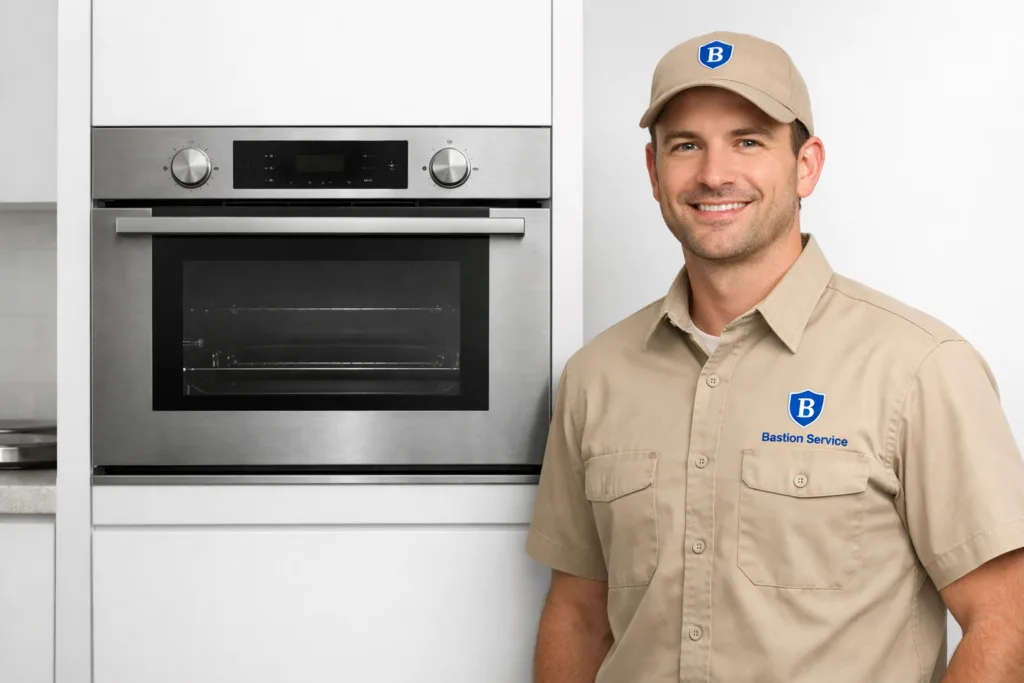




Common Fisher & Paykel oven problems in Palms homes
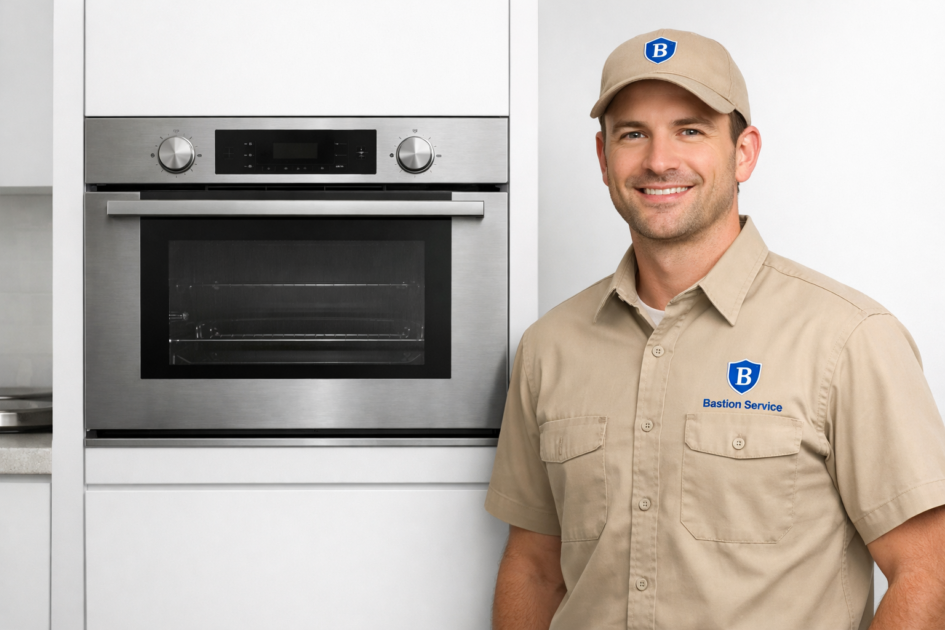
Oven problems rarely show up in only one way. A Fisher & Paykel oven may still light up and accept settings while failing to heat correctly, cycling too high, or taking much longer than normal to preheat. In many Palms households, the first noticeable sign is inconsistent cooking results: cookies browning on one side, casseroles staying cool in the center, or roasting times stretching well past what used to be normal.
Related Fisher & Paykel and oven service paths in Palms include Fisher & Paykel Appliance Repair in Palms, Oven Repair in Palms, and Fisher & Paykel Refrigerator Repair in Palms.
Other calls begin with a more obvious failure. The oven may not turn on at all, may stop during a cycle, or may display control faults that interrupt normal use. Because similar symptoms can come from different causes, testing matters. A no-heat complaint, for example, can involve a failed bake element, a broil problem, a temperature sensor issue, a relay fault, damaged wiring, or a power supply problem.
Symptoms that should be treated more urgently include breaker trips, sparking, a burning electrical smell, repeated shutdowns, or smoke not related to spilled food. If any of those are happening, it is best to stop using the oven until the source is identified.
What specific symptoms often mean
Oven not heating
If the control panel responds but the oven cavity stays cold, the failure may be in the bake circuit, broil circuit, sensor circuit, control board, thermostat, or incoming power. In some cases the broil function still works while bake does not, which helps narrow down the failed component.
Homeowners sometimes assume the problem is the visible element alone, but that is not always the case. A good inspection checks whether the element is actually receiving the proper voltage and whether the control is sending the correct signal during a heating cycle.
Uneven baking or roasting
Uneven cooking usually points to poor temperature regulation rather than a complete failure. Food may look done on top while remaining undercooked inside, or one rack may cook faster than another. Possible causes include a drifting sensor, a weak element, a convection fan problem, poor airflow, or calibration issues that cause the cavity temperature to miss the selected setting.
This symptom is especially important when the oven still seems usable but results have changed over time. Gradual decline often means a component is weakening rather than failing all at once.
Slow preheating
When preheat takes far longer than it used to, the oven may be operating on partial heat. One heating circuit may be underperforming, or the control may not be coordinating the preheat sequence correctly. A weak element can still glow or warm slightly while failing to generate enough heat for normal performance.
Slow preheat can also affect cooking quality even after the oven claims it has reached temperature. Some units signal ready before the cavity is actually stabilized, which leads to underbaked results at the start of cooking.
Temperature swings
All ovens cycle on and off to maintain heat, but wide temperature swings are different. If food burns unexpectedly, finishes too early, or needs constant adjustment from one use to the next, the oven may not be regulating temperature within a normal range. Sensor drift, relay issues, and electronic control faults are common reasons for unstable heating behavior.
Controls not responding properly
If buttons do not respond consistently, settings reset on their own, or the display shows intermittent errors, the problem may be in the user interface, control board, wiring harness, or power supply. Control issues can appear random at first, especially when they worsen after the oven has been running and internal temperatures rise.
Why symptom-based diagnosis matters on Fisher & Paykel ovens
Fisher & Paykel ovens can use model-specific control layouts, sensor logic, and heating designs, so diagnosis should follow the actual symptom pattern rather than assumptions. Two ovens with the same complaint may need very different repairs. One may need a heating component, while another may have a control issue that only shows up under load.
That distinction matters because unnecessary parts replacement adds cost without solving the underlying problem. The better approach is to confirm what the oven is doing during operation, compare the selected setting to actual performance, and test the circuits tied to that exact failure.
When to stop using the oven
Some issues are inconvenient but contained, while others can create bigger damage if ignored. It is wise to stop using the oven if you notice:
- Breaker trips during preheat or cooking
- Electrical burning smells
- Sparks or arcing sounds
- Repeated shutdowns in the middle of a cycle
- Error codes that keep returning after reset attempts
- A door that will not close or seal properly
Continued use in these conditions can stress wiring, controls, and surrounding components. A small fault can become a larger repair if the oven keeps running while overheating or cycling abnormally.
How door and seal problems affect performance
Not every oven problem starts with the heating system. A worn door gasket, misaligned hinge, or latch issue can let heat escape and make the oven seem slow, inaccurate, or weak. In homes where the oven is used often, these problems can show up as longer cook times, excess heat in the kitchen, or browning that does not match the selected temperature.
If the door does not close squarely, the control system may also struggle to maintain stable heat. What looks like a temperature problem may partly be a sealing problem.
Repair versus replacement considerations
Many Fisher & Paykel oven problems are repairable when the fault is limited to one component or circuit and the rest of the appliance is in good condition. That is often true for failed elements, sensors, certain control-related issues, door components, and isolated wiring faults.
Replacement becomes more worth considering when there are multiple major failures at once, severe cavity wear, extensive control damage, or a repair cost that no longer makes sense for the oven’s age and condition. The key is knowing whether the current symptom points to one contained repair or a broader decline in the appliance.
For Palms homeowners, the most useful service outcome is not just a part recommendation. It is an honest assessment of what failed, whether the oven can be restored to normal operation, and whether the repair path is sensible for the unit in front of you.
What to note before scheduling service
If your oven is still operating at least part of the time, it helps to pay attention to the exact pattern of failure. A few details can make diagnosis faster and more accurate:
- Whether the oven fails in bake, broil, or both
- How long preheat takes compared with normal
- Whether the issue happens every time or intermittently
- Any fault codes shown on the display
- Whether the oven shuts off only after it gets hot
- Whether the door closes firmly and seals evenly
These observations help separate heating failures from control faults, sensor problems, and power-related issues.
Service expectations for a residential oven repair call
On a residential Fisher & Paykel oven repair visit in Palms, the goal should be straightforward: identify the failed component or circuit, check for related damage, and determine whether repair is likely to restore normal cooking performance. That gives you a practical repair plan based on the real condition of the oven rather than guesswork.
Whether the symptom is no heat, uneven baking, slow preheat, temperature instability, or touch-control problems, focused testing is the fastest way to move from a disrupted kitchen routine to a reliable next step.