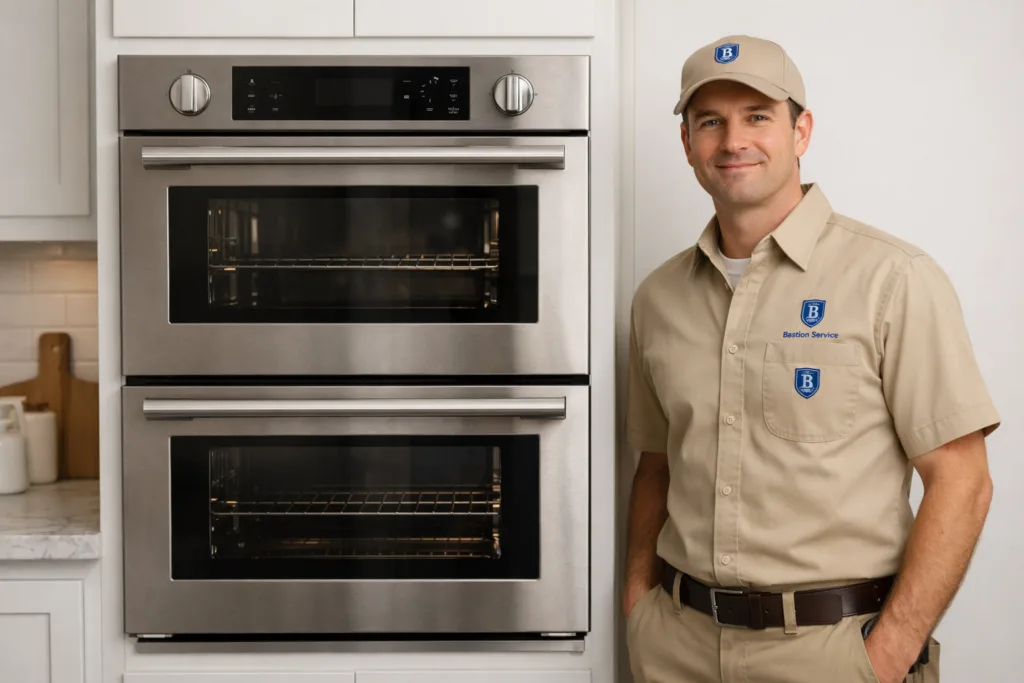
Cooking problems usually show up before a Monogram oven fails completely. You may notice slower preheat, trays that brown unevenly, temperatures that seem off by 25 to 50 degrees, or a display that behaves unpredictably. Those patterns matter because they often point to different parts of the oven system, from heating components and sensors to door sealing and electronic controls.
Start with the symptom pattern
Monogram ovens are built for precision, so a single complaint can have more than one cause. An oven that is “not heating right” might have a weak bake element, a broil element that is not assisting during preheat, a sensor reading inaccurately, or a control problem that is interrupting normal cycling. Looking at when the issue happens, how often it happens, and whether it has been getting worse is often the fastest way to narrow the repair path.
For homeowners in Rancho Palos Verdes, that means paying attention to details such as whether the oven reaches temperature eventually, whether the problem affects only one cooking mode, and whether the display or controls act normally while the cooking results do not.
Common Monogram oven problems and what they may mean
Oven will not heat
If the oven turns on but the cavity stays cold, the fault may involve the bake element, broil element, igniter on gas models, temperature sensor, relay, wiring, or main control. In some cases the lights and display work normally, which can make the issue look minor even though a key heating component has failed.
- Display works, but no heat starts
- Heat starts briefly, then stops
- Broil works, but bake does not
- Preheat never completes
Uneven baking
Hot spots, pale sections, or one rack cooking faster than another can point to weak heat output, poor temperature feedback, convection fan issues, or a door seal problem. If the oven cycles too widely above and below the set temperature, everyday baking becomes inconsistent even when recipes and cookware stay the same.
This is especially noticeable with cookies, sheet-pan meals, casseroles, and anything that depends on steady heat over time.
Slow preheat
Long preheat times often develop gradually. That can happen when an element is weakening, a sensor begins drifting, or the control is mismanaging the heat cycle. The oven may still be usable, but it usually becomes less predictable and less efficient for daily cooking.
Temperature runs too hot or too cold
If food burns on top, finishes too fast, or comes out underdone even after normal cook times, the oven may not be regulating temperature correctly. A bad sensor, calibration issue, sticking relay, or control fault can all create temperature swings that are frustrating for routine meals and baking.
Error codes, beeping, or shutdowns during use
Repeated fault codes, random resets, a blank display, or an oven that stops mid-cycle often suggest an electronic issue rather than a heating issue alone. Control boards, user interface components, cooling problems, loose connections, and intermittent power faults can all cause this kind of behavior.
Door not closing, locking, or unlocking properly
Door issues affect more than convenience. If the door does not seal well, heat can escape and cooking performance can suffer. Problems with hinges, gasket wear, latch components, or lock mechanisms can also interfere with self-clean functions and normal operation.
Why preheat and temperature complaints should not be ignored
An oven does not have to stop working entirely to need service. If preheat keeps getting slower or recipes are no longer cooking consistently, the appliance may still turn on and appear functional while delivering poor results. Continued use in that condition can put more stress on other components and make the final repair more involved.
When the symptom is overheating, the risk is different. Excess heat can damage interior parts, affect nearby components, and shorten the life of the oven if the cause is left unresolved.
Signs it is time to stop using the oven
Some symptoms call for immediate caution rather than continued trial and error. Stop using the oven and have it checked if you notice any of the following:
- Sparking or visible electrical damage
- A persistent burning smell that is not related to normal food residue
- The breaker trips during use
- The oven shuts off unexpectedly in the middle of cooking
- The control panel becomes unresponsive or erratic
- The door will not close securely
If a gas oven has a strong or persistent gas odor, stop using it right away and address the gas concern before arranging appliance service.
Repair or replace: what usually matters most
For many Rancho Palos Verdes households, the decision is less about the model’s age by itself and more about the actual condition of the oven. A repair often makes sense when the issue is limited to a specific part such as an element, igniter, sensor, latch, fan-related component, or select control failure and the rest of the appliance is in solid shape.
Replacement becomes more likely when the oven has multiple active problems, recurring electronic faults, or signs of broader wear that make future reliability questionable. The most useful diagnosis is the one that explains not just what failed, but what kind of performance you can expect after repair.
What a useful service visit should clarify
A worthwhile appointment should identify the failed component or failure path, connect it to the symptoms you have been seeing, and explain whether continued use could lead to more damage. For Monogram oven repair in Rancho Palos Verdes, that means checking the parts that affect heat production, temperature regulation, control response, and safe operation rather than guessing from the symptom alone.
That kind of evaluation helps homeowners make a more confident decision, whether the problem is no heat, inconsistent baking, a control issue, or a door and lock problem that is affecting everyday use.
Helpful details to note before service
If you are scheduling service, a few observations can make the problem easier to pinpoint:
- Whether the issue happens on bake, broil, convection, or every mode
- Whether preheat completes or stalls
- Any error code shown on the display
- Whether the problem started suddenly or got worse over time
- Whether the oven is overheating, underheating, or cycling inconsistently
- Whether the door, lock, or controls feel different than usual
Even simple notes like “only the lower element seems inactive” or “the oven shuts off after 20 minutes” can help narrow the likely cause faster.