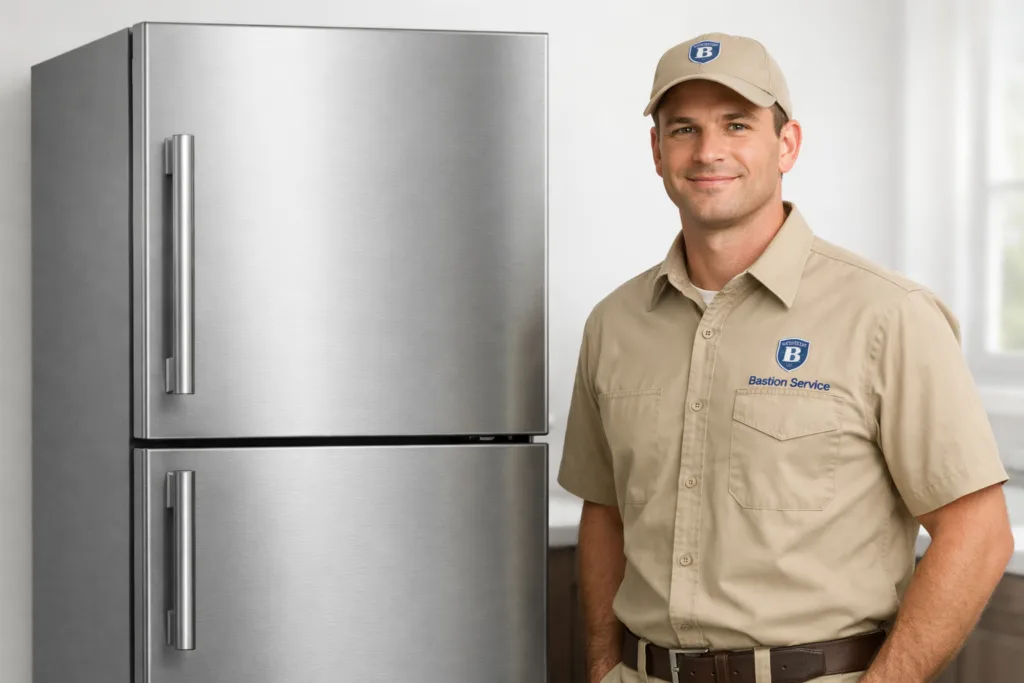
A Summit refrigerator that stops cooling properly, leaks onto the floor, or starts making unusual noise can disrupt an entire household in Palos Verdes Estates within hours. Before choosing a repair, it helps to identify the exact failure point, because similar symptoms can come from very different causes such as airflow restrictions, control issues, defrost problems, door seal wear, or compressor-related faults.
Start with the symptom, not the guess
The fastest way to make sense of a refrigerator problem is to look at the pattern. Is the unit warm all over, or is the freezer still cold while the fresh-food section is not? Is frost collecting on the back wall, or is there only a small leak that appears every few days? Does the refrigerator run constantly, or does it seem unusually quiet?
Those details help separate a minor airflow or maintenance-related issue from a more involved electrical or sealed-system problem. Summit refrigerator repair is usually most effective when the repair path matches the actual behavior of the appliance rather than the surface complaint alone.
Common Summit refrigerator problems and what they often mean
Not cooling or not cold enough
If food is warming up or the refrigerator feels only mildly cool, several different faults may be involved. Blocked interior vents, overpacked shelves, dirty condenser areas, or a worn door gasket can all reduce cooling performance. In other cases, weak cooling points to a failed evaporator fan, a sensor or control issue, a defrost problem, or trouble with compressor start-up.
If the temperature is drifting and the unit keeps running without recovering, it is best not to assume it will correct itself. Prolonged operation under strain can make some failures worse.
Freezer cold, refrigerator section warm
This is one of the most common symptom patterns in household refrigeration. It often suggests that the cooling system is still producing cold air, but that air is not reaching the fresh-food section the way it should. Frost behind interior panels, blocked air channels, a stalled fan, or a defrost failure can all create this split-temperature problem.
From the outside, it can look like the whole refrigerator is failing when the real issue is circulation. That is why this symptom should be checked carefully before any parts are replaced.
Water leaking inside or underneath
Leaks may come from a clogged defrost drain, excess condensation, poor door sealing, or a water supply issue on equipped models. Even if the amount of water seems minor, repeated leaking can damage flooring, cabinetry edges, or surrounding surfaces.
If the leak appears after doors have been opened frequently, that may point to condensation and sealing problems. If it returns on a regular cycle, drainage is often a stronger suspect.
Frost buildup or ice where it should not be
Frost on packages, interior walls, shelves, or hidden behind panels usually means moisture is entering the cabinet or the defrost system is not clearing ice correctly. A door left slightly open can create the same complaint as a failed defrost component, which is why the location and type of frost matter.
Heavy ice buildup can also restrict airflow enough to create a second symptom: rising temperatures in the refrigerator section even though the cooling system is still operating.
Clicking, buzzing, humming, or new noises
Refrigerators naturally make some sound during normal operation, but a sudden change in noise pattern is worth attention. Clicking during attempted start-up can point to electrical start components or compressor-related trouble. Buzzing may come from vibration, fan interference, or strain during operation. Rattling can be as simple as loose panels or items touching the cabinet.
When the sound is paired with weak cooling, long run times, or intermittent operation, it usually deserves service sooner rather than later.
Warning signs that should not be ignored
Some Summit refrigerator issues develop gradually before they become obvious. Homeowners in Palos Verdes Estates often notice early signs such as:
- Softening frozen food
- Milk or produce spoiling faster than usual
- Condensation near the door opening
- Longer run times than normal
- Warm spots on upper or lower shelves
- Temporary recovery after changing the control setting
- Recurring frost after manual cleanup
These symptoms may seem manageable at first, but they often point to a problem that is progressing in the background.
What homeowners can check before scheduling service
A few basic checks can help narrow down the issue and prevent unnecessary stress on the appliance:
- Make sure doors are fully closing and not being blocked by bins or food containers.
- Look for torn, loose, or dirty door gaskets that may allow warm air in.
- Confirm that interior air vents are not blocked by large items.
- Check whether frost is visible on the back interior wall or around vents.
- Notice whether the refrigerator is running constantly or cycling unusually often.
- Pay attention to whether the leak happens once or keeps returning.
These checks do not replace service, but they can make the symptom pattern clearer and help determine how urgent the repair may be.
When continued use may make the problem worse
A refrigerator that is struggling to maintain temperature often works harder than normal, which can increase wear on fans, controls, and compressor-related components. Frost buildup can gradually choke off airflow. A weak seal can force the system to run longer every day. A small drain problem can turn into repeated water damage around the appliance.
If food temperatures are no longer reliable, it is usually wise to limit use until the problem has been assessed. Waiting too long can turn a contained repair into a larger one.
Repair versus replacement for a Summit refrigerator
Many Summit refrigerator problems are still sensible to repair, especially when the issue is limited to components such as fans, door gaskets, defrost parts, drains, sensors, or accessible electrical failures. These are often the kinds of faults that can restore normal operation without replacing the appliance.
Replacement becomes a more serious consideration when there is major sealed-system trouble, repeated expensive failures, or overall wear that makes long-term reliability unlikely. The better choice depends on the age of the unit, the exact failure, appliance condition, and whether the repair is likely to return stable performance.
What to expect from a service-focused evaluation
For Summit refrigerator repair in Palos Verdes Estates, the most useful visit is one that follows the symptom pattern from start to finish. That includes checking real cooling behavior, airflow, frost formation, door sealing, drainage, fan operation, and the components most closely tied to the complaint. Once the fault is narrowed down, it becomes much easier to decide whether to proceed with repair or consider replacement.
When a refrigerator is affecting food storage, routine kitchen use, and day-to-day convenience, a symptom-based diagnosis helps homeowners make a faster and better-informed decision.