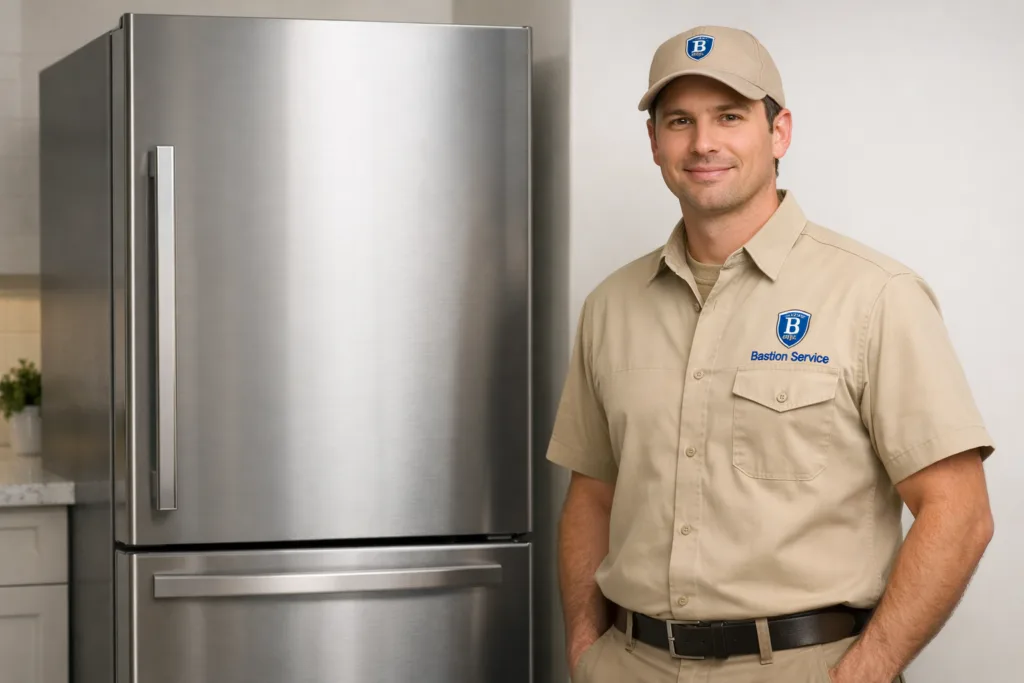
A Blomberg refrigerator that runs warm, leaks, freezes food, or starts making new noises can disrupt daily routines fast. In many cases, the symptom you notice in the kitchen is only the surface of a larger issue involving airflow, defrost operation, sensors, door sealing, or startup components. The most useful next step is to match the repair plan to the exact pattern of behavior instead of replacing parts by guesswork.
Start with what the refrigerator is actually doing
Two refrigerators can seem to have the same problem while failing for completely different reasons. A warm fresh food section may be caused by blocked vents, an evaporator fan problem, frost behind the interior panel, or a control issue that prevents normal air movement. Water under the unit may come from a clogged defrost drain, excess condensation from a poor door seal, or an issue near the water supply system. Looking at the full symptom pattern helps determine how urgent the repair is and whether continued use is likely to cause food loss or added component stress.
Fresh food section is warm but freezer still seems cold
This is one of the more common refrigerator complaints and often points to an airflow or defrost-related problem rather than a total cooling failure. Cold air may still be produced in the freezer but not reach the refrigerator section as intended. Frost buildup around the evaporator area, a weak fan motor, or a damper problem can all create this symptom. If milk, produce, and leftovers are warming while frozen items remain solid, service should not be delayed.
Both sections are warming
When both the refrigerator and freezer lose temperature, the issue may be more serious. Possible causes include compressor start problems, control faults, condenser airflow issues, or other failures that affect the entire cooling system. If the refrigerator is running constantly without reaching temperature, it is working harder while preserving food less effectively. That combination usually calls for prompt attention.
Food is freezing in the refrigerator compartment
Freezing in the fresh food section is not always a sign that the refrigerator is cooling well. It can mean temperature sensing is off, airflow is uneven, or controls are not regulating properly. Items near vents may freeze first, but if the problem spreads across shelves or returns after settings are adjusted, a component issue is more likely than simple user error.
Leaks, condensation, and moisture inside or around the unit
Water problems should be taken seriously because they can damage flooring, create recurring ice buildup, and signal a hidden drain or sealing issue. A puddle on the floor does not always mean a major failure, but it should not be ignored.
- Water under the refrigerator: often related to a blocked defrost drain or a supply-line issue.
- Water under drawers or on shelves: commonly linked to drainage problems or condensation from warm air entering the cabinet.
- Moisture around the door opening: may point to a worn gasket, alignment problem, or door that is not closing fully.
- Repeated sweating or damp interior walls: can indicate sealing or circulation issues that will often lead to frost later.
In homes in Palos Verdes Estates, catching these problems early can prevent repeat icing and help avoid damage around the appliance footprint.
Frost buildup usually means more than a one-time inconvenience
Heavy frost on the back wall, ice around vents, or repeated frost return after manual clearing usually means the refrigerator is not moving or removing moisture the way it should. Sometimes the cause is as simple as a door being left slightly open, but if the same condition comes back during normal use, the problem is more likely tied to defrost components, fan operation, sensors, or control behavior.
Frost matters because it reduces airflow. As airflow drops, temperatures become less stable, food quality declines, and the refrigerator may run longer to compensate. Over time that can increase wear on other parts of the system.
What unusual sounds can tell you
Not every refrigerator sound is a problem. Normal operation includes humming, soft fan noise, brief clicks, and occasional changes in sound during cooling cycles. The concern is a new noise, a louder version of a familiar noise, or a sound that appears together with poor performance.
Clicking
Repeated clicking can indicate a startup problem, especially if the refrigerator is not cooling well at the same time. If the unit seems to try to start and then stop, that is different from a normal single click during cycling.
Buzzing or vibrating
A buzz may come from a fan motor, compressor area, or something as simple as vibration against nearby surfaces. If the sound becomes harsh or persistent, it is worth checking before a minor issue becomes a larger repair.
Fan rubbing or scraping
This can happen when frost interferes with fan blades or when a fan motor begins to fail. When the noise is paired with weak cooling, airflow restriction is a strong possibility.
Constant running
A refrigerator that seems to run nearly all the time may be struggling with temperature recovery, dirty heat exchange surfaces, weak airflow, gasket leakage, or a control problem. Long run times are especially concerning when food temperatures still do not feel right.
When service should be scheduled sooner
Some refrigerator issues can wait a short time for normal appointment scheduling, but others should move up the list. It is wise to schedule service promptly if:
- the refrigerator compartment is no longer keeping food safely cold
- the freezer is softening or thawing
- water is leaking onto the floor
- frost keeps returning after being cleared
- food in the refrigerator section is freezing unpredictably
- the compressor area feels unusually hot
- the unit is clicking, failing to start, or tripping power repeatedly
These symptoms often worsen with continued operation, especially when the refrigerator is already running longer than normal.
Repair or replace depends on the confirmed failure
For many households, the decision is not based on one symptom alone but on the actual failed part, the age of the refrigerator, and the overall condition of the appliance. A targeted repair often makes sense when the problem is isolated to a drain blockage, door gasket, fan motor, sensor, ice maker component, or control-related issue. Replacement becomes more worth considering when there are multiple major failures, recurring cooling problems, or a sealed-system problem combined with age and declining performance.
A careful diagnosis helps avoid two expensive mistakes: replacing a refrigerator that still has a reasonable repair path, or investing in repairs when the appliance is already showing signs of broader wear.
What homeowners can check before the appointment
There are a few simple steps that can help narrow down the issue and protect food in the meantime:
- make sure both doors are closing fully and not being blocked by containers or bins
- confirm temperature settings were not changed accidentally
- avoid overpacking shelves in a way that blocks interior vents
- look for visible frost buildup on the back wall or around vents
- check whether leaking is continuous or appears after certain cycles
- move perishable food if the refrigerator section is no longer reliably cold
If the refrigerator is making harsh mechanical noise, repeatedly trying and failing to start, or no longer cooling either section, reducing use until it is evaluated may help limit additional strain.
Focused help for Blomberg refrigerator problems in Palos Verdes Estates
Blomberg refrigerator issues are easier to solve when the repair is based on the exact way the appliance is failing. Whether the problem involves unstable temperatures, recurring frost, airflow loss, leaks, or noisy operation, the goal is to identify the root cause and determine whether repair is the sensible next step for the household. For homeowners in Palos Verdes Estates, that means less uncertainty, better protection for food, and a more informed decision about the appliance already in the kitchen.