KitchenAid Freezer Repair in Los Angeles

KitchenAid freezer repair in Los Angeles for not freezing, frost buildup, temperature swings, leaks, and fan noise.

Local Los Angeles service 90-Day warranty Licensed & insured
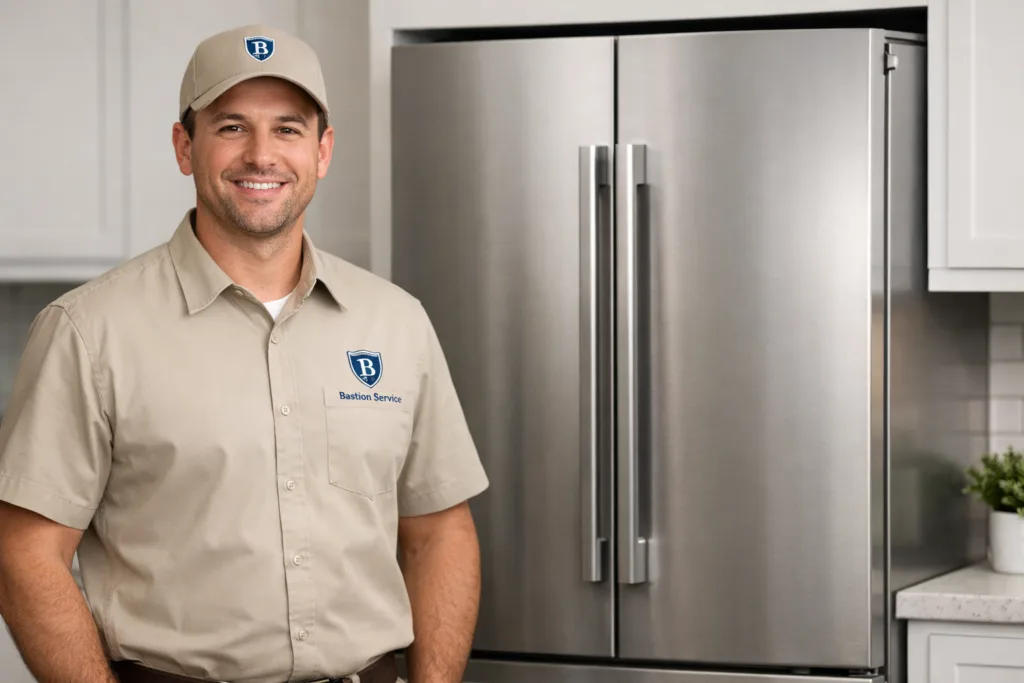
KitchenAid Freezer repair technician in Los Angeles
kellie snarr review profile photo RODNEY PEETE review profile photo Joshia Brooks review profile photo Stephanie Pacciardi review profile photo Felicia M review profile photo jeffrey cloutier review profile photo jake cruzen review profile photo Maria Rodriguez review profile photo Ruth Douglas review profile photo P K review profile photo Nu Wade review profile photo Peezy Flowers review profile photo Mona Jimenez review profile photo Анастасия Козлова review profile photo Jason review profile photo Pablo Arreola review profile photo michael kovach review profile photo David Bail review profile photo Heather Dowell review profile photo Larry Wagenseller review profile photo Rudi Camenzind review profile photo Aaron Perez review profile photo Jo Anne Ghazi review profile photo Kira Morris review profile photo Michael Salisbury review profile photo Tom Slack review profile photo Sam Al review profile photo Romana Mikel review profile photo Carlos Lopez review profile photo Jason Lavea review profile photo Carole Merwin review profile photo Ana Barragan review profile photo A Shively review profile photo Tony Ramirez review profile photo A Bouss review profile photo Luise Remington review profile photo Josie review profile photo rose walker review profile photo NyimaJare’ Israel review profile photo NICOLAS ZAVALA review profile photo Xavier Hernandez review profile photo Diane Witherspoon review profile photo Isaiah Davis review profile photo Elias review profile photo Tawnee Castro review profile photo Lydia Gonsalez review profile photo Rene Castellanos review profile photo Jose Laguna review profile photo Raymond Mendoza review profile photo Ami Radunskaya review profile photo Rocio Araiza review profile photo Christian Villasenor review profile photo Christian Villasenor review profile photo Lupe Pickard review profile photo Bobbie Cruce review profile photo Lindsey Magana review profile photo Norma Hernandez review profile photo Leena Laitenen review profile photo Rodney McElrath review profile photo Michael S. review profile photo Paul Sanderson review profile photo Omar Reyes review profile photo Byron Marroquin review profile photo Elizabeth Leticia Machuca review profile photo Wliey Richardson review profile photo Eric Connaughton review profile photo robert tostado review profile photo Tamala Jones review profile photo Ladonna Yanes review profile photo Terry Amos review profile photo Kathy Osorio review profile photo Daniel Wilson review profile photo Ashley Bingham review profile photo James Marostica review profile photo
Real Google feedback 5.0 out of 5 80+ Google reviews
  • KitchenAid freezer support in Los Angeles
  • Clear diagnosis before repair decisions
  • Warranty for labor and parts
  • Fast scheduling based on availability
KitchenAid Freezer Repair

KitchenAid Freezer repair in Los Angeles for focused household appliance problems

When a KitchenAid freezer starts acting up in Los Angeles, the most helpful first step is a clear diagnosis and a practical repair plan based on the exact symptom pattern.

Bastion Service helps Los Angeles homeowners diagnose KitchenAid freezer problems and decide whether repair is practical based on the symptom, appliance condition, and repair path.

KitchenAid freezer repair support for Los Angeles homes.

Freezer problems rarely begin with a single obvious cause. A KitchenAid unit that seems warm, noisy, or packed with frost may be dealing with airflow restrictions, a defrost failure, a door-seal issue, a sensor problem, or a more serious cooling-system fault. Looking at the full symptom pattern is the fastest way to understand whether the issue is straightforward or more involved.

What common KitchenAid freezer symptoms usually mean

Not every cooling complaint points to the same repair. Two freezers can both feel too warm, yet one may have a failing fan while the other has a control problem or trouble in the sealed system. The details matter: whether the temperature drifts slowly, whether frost is visible, whether the unit runs constantly, and whether the problem is steady or intermittent.

In Los Angeles homes, freezer performance can also be affected by high kitchen activity, frequent door openings, and warm indoor conditions. Those factors may expose a weak component sooner, but they usually do not explain a true mechanical or electrical failure on their own.

Freezer not freezing hard enough

If food is soft, ice cream is no longer firm, or items thaw slightly and then refreeze, the freezer may still be operating but struggling to hold target temperature. This often points to restricted airflow, evaporator fan issues, frost blocking circulation, control or sensor faults, dirty condenser conditions, or compressor-start problems.

When cooling fades gradually instead of stopping all at once, that usually suggests the appliance is still trying to run but cannot move cold air or remove heat efficiently. That distinction helps narrow the repair path.

Frost buildup on walls, shelves, or food packages

Visible frost is often a clue that moisture is entering the freezer or that the defrost system is not clearing ice as it should. A worn gasket, a door that is not closing evenly, a failed defrost heater, a thermostat issue, or heavy ice around the evaporator area can all create similar-looking frost patterns.

If frost keeps returning after being wiped away, the underlying cause is still active. Continued operation in that condition can reduce storage space, interfere with air circulation, and make the freezer run longer than normal.

Clicking, buzzing, rattling, or fan noise

Some sound is normal during cooling cycles, but persistent clicking, loud buzzing, scraping, or fan noise often means a component is under stress. A fan may be hitting ice, a start device may be failing, or the compressor may be having difficulty starting properly.

Noise becomes especially important when it appears together with temperature swings or long run times. In many cases, the sound is an early warning that a smaller problem is turning into a larger cooling complaint.

Water leaks or ice in the wrong place

Water under the unit or ice collecting where it should not can point to a blocked drain, poor airflow, or uneven defrosting. A leak does not always mean the freezer has lost cooling, but it does mean moisture is not moving through the system correctly.

Drain-related issues are often repairable, though they should still be addressed quickly to avoid floor damage, recurring ice buildup, and hidden freezing around internal components.

Freezer runs nearly all the time

A KitchenAid freezer that rarely shuts off may be compensating for warm air infiltration, dirty condenser coils, sensor errors, fan trouble, or a cooling system that is losing efficiency. Constant running is not just an annoyance. It can increase wear on major components and raise the chance of a complete no-cool failure.

Why symptom-based diagnosis matters

Freezers are full of parts that depend on each other: fans, sensors, controls, defrost components, seals, and refrigeration hardware. Replacing a part based only on one visible symptom can waste time and money if the real cause is elsewhere. A warm cabinet does not automatically mean compressor failure, and frost does not automatically mean a bad gasket.

The most useful repair decision comes from matching the complaint to actual component behavior. That helps determine whether the problem is electrical, mechanical, airflow-related, or part of the sealed cooling system.

Signs the issue may be getting worse

  • Food softens for part of the day and hardens again later
  • Frost spreads from one panel to shelves or stored items
  • The freezer gets louder during each cycle
  • The unit clicks repeatedly before starting
  • Run times get longer week after week
  • Water or sheet ice appears near the bottom of the compartment
  • The door seems closed but does not seal tightly all around

These patterns usually mean the freezer is still operating, but under strain. Waiting too long can turn a manageable repair into spoiled food, a full loss of cooling, or extra stress on the compressor and fan motors.

When to stop using the freezer and schedule service

It is smart to arrange service if the temperature is no longer reliable, food is beginning to thaw, the freezer is building heavy frost, or the unit is making unusual sounds that continue beyond a normal cycle. If it has stopped cooling almost entirely, repeated resets and repeated door openings can make the situation worse.

You should also take the problem seriously if controls behave erratically, the interior feels unevenly cold from one area to another, or the appliance seems to recover briefly before warming again. Intermittent failures are still failures, and they often become harder to ignore very quickly.

Common repair paths for KitchenAid freezer problems

Many residential freezer issues are repairable when identified early. Depending on the symptom pattern, service may involve correcting airflow problems, replacing a worn fan motor, addressing a defrost component failure, resolving a drain blockage, correcting a sealing problem, or testing controls and temperature-sensing parts.

Some cases, however, point toward larger refrigeration-system concerns. If the repair involves major sealed-system work, repeated breakdowns, or multiple failing components at once, the conversation may shift from simple repair to whether continued investment makes sense for the appliance.

Repair or replacement: how homeowners usually decide

A good decision depends on more than the current symptom. Age, overall condition, prior repair history, and how consistently the freezer performed before this issue all matter. A well-kept KitchenAid freezer with a fan, defrost, drain, or gasket problem is often very different from a unit showing deeper cooling-system failure.

For many households, the key question is not whether any repair is possible, but whether the specific repair is practical for reliable use going forward. That answer comes from diagnosis, not guesswork.

What to do before a repair visit

  • Check whether the door is fully closing and not blocked by bins or food packages
  • Look for visible frost patterns on interior panels or around the door opening
  • Notice whether the noise comes from inside the cabinet, behind the unit, or near the bottom
  • Pay attention to whether the freezer runs nonstop or cycles on and off normally
  • Move vulnerable food if temperatures are clearly rising

Simple observations like these can help explain whether the problem is tied to airflow, ice accumulation, sealing, or startup trouble. They also make it easier to describe what the freezer has been doing in your home.

Focused help for KitchenAid freezer issues in Los Angeles

For Los Angeles homeowners, the right approach is to match the repair plan to the exact behavior of the appliance: warming, frost buildup, leaking, nonstop running, fan noise, or repeated clicking. Once the cause is identified, it becomes much easier to tell whether the issue is minor, urgent, or a sign of a larger refrigeration problem.

That kind of symptom-first approach protects food, avoids unnecessary part replacement, and gives you a realistic view of what the freezer needs next.

Service options

KitchenAid appliances we service in Los Angeles

Choose the KitchenAid appliance type you need serviced in Los Angeles.

Customer reviews

Real customer feedback

Recent customer feedback for Bastion Service.

jeffrey cloutier review profile photo
jeffrey cloutier
Google review

“Wow! Andrew hit all of the “check the boxes” for his workmanship: He showed up on time as discussed. He is courteous and polite! He diagnosed and explained the issue with our LG refrigerator. He Quoted us a price (very reasonable). Repaired the problem within an hour! He even cleaned up the dusty back of the refrigerator ( which hadn’t seen daylight forever!) Above and beyond customer service! I highly recommend this guy to anyone who asks me if, “I know anyone who repairs appliances?” Give Fix Tech Appliance Repair a call !!👍🏼”

jake cruzen review profile photo
jake cruzen
Google review

“Andre is the best tech we have ever worked with. After Samsung sent 3 techs out and couldn’t fix our bespoke fridge -Andre came to our house and diagnosed and fixed it in 2 hours with a warranty and no additional parts. Truly a wizard.”

FAQ

KitchenAid Freezer Repair questions

Answers about diagnosis, repair options, timing, and next steps.

What are the most common reasons a KitchenAid freezer stops freezing in Los Angeles?

Common causes include airflow problems, evaporator fan failure, defrost system faults, door gasket leaks, control issues, or compressor and start component trouble. Similar symptoms can come from different faults, so diagnosis matters before replacing parts.

Should I keep using my KitchenAid freezer if it is running constantly?

Not for long. A freezer that runs nonstop may be struggling to hold temperature due to airflow, sealing, fan, sensor, or cooling-system issues. Continued use can increase wear and may worsen the underlying problem.

Why is my KitchenAid freezer building up frost inside?

Interior frost often means warm air is entering through a poor door seal or alignment issue, or the defrost system is not clearing moisture and ice correctly. Frost pattern and location help identify which problem is more likely.

When does KitchenAid freezer repair make more sense than replacement?

Repair often makes sense for isolated issues such as fan motors, defrost components, sensors, controls, drains, or gaskets. Replacement becomes a more serious consideration when there is major sealed-system trouble, repeated breakdowns, or multiple expensive failures at once.

Ready to schedule?

Schedule KitchenAid Freezer Repair in Los Angeles

Schedule KitchenAid freezer repair in Los Angeles with clear diagnosis, practical repair guidance, and dependable local service.

Call (323) 433-6360