




KitchenAid appliances are built for everyday kitchen use, but even well-made units eventually develop wear-related problems. The most useful way to approach a breakdown is by looking at the symptom pattern first. A refrigerator that feels warm, a dishwasher that leaves residue, or an oven that heats unevenly may all seem straightforward at first, yet each issue can come from several different systems. Pinpointing the cause early helps avoid replacing the wrong part and reduces the chance of a repeat failure.
For specific KitchenAid appliance paths in Los Angeles, review KitchenAid Refrigerator Repair in Los Angeles, KitchenAid Freezer Repair in Los Angeles, and KitchenAid Ice Maker Repair in Los Angeles.
Common KitchenAid symptoms homeowners notice first
Most service calls begin with a simple complaint: not cooling, not heating, leaking, making noise, or failing to complete a cycle. Those surface symptoms matter, but they are only the starting point. In many cases, the real fault is behind the symptom rather than obvious from it.
- Temperature loss: refrigerators, freezers, wine coolers, and ice makers may run but fail to hold the right temperature.
- Poor wash or drain performance: dishwashers may leave standing water, cloudy glasses, or food debris on dishes.
- Cooking inconsistency: ovens, wall ovens, ranges, and cooktops may struggle with preheat, burner control, or even heat distribution.
- Leaking or moisture buildup: water on the floor, condensation, frost, or interior pooling should not be ignored.
- Unusual sound or cycling: clicking, buzzing, rattling, humming, or repeated restarting often points to a stressed component.
KitchenAid refrigerator and freezer issues
Cooling appliances usually give warning signs before they stop working completely. Food softening in the freezer, milk spoiling too quickly, frost buildup, or a refrigerator that seems to run constantly are all signs that something is off. Problems may involve airflow, evaporator fan operation, defrost components, temperature sensing, door sealing, or electronic controls.
A freezer that develops heavy frost does not always mean the door was left open. It can also indicate trouble in the defrost system or poor circulation inside the cabinet. A refrigerator that is cold in one section but warm in another often points to airflow or sensor-related issues rather than a total cooling loss.
If the unit is no longer holding safe food temperatures, it is best to address the problem quickly. Continued operation under strain can lead to more serious compressor or control-related damage.
KitchenAid dishwasher problems
Dishwasher complaints are often less about a full shutdown and more about disappointing results. Dishes may come out dirty, gritty, wet, or cloudy. In other cases, the unit fills but does not wash properly, drains slowly, or leaks underneath the door.
These symptoms can be tied to circulation problems, drain restrictions, float or fill issues, spray arm blockage, pump wear, heater faults, or control failures. A dishwasher that hums without advancing through the cycle may be dealing with a motor or pump issue, while one that leaves water in the tub may have trouble draining or sensing completion correctly.
Leaks deserve prompt attention, especially in kitchens with wood flooring or cabinetry nearby. Even a small recurring leak can cause damage over time.
KitchenAid ovens, wall ovens, ranges, and cooktops
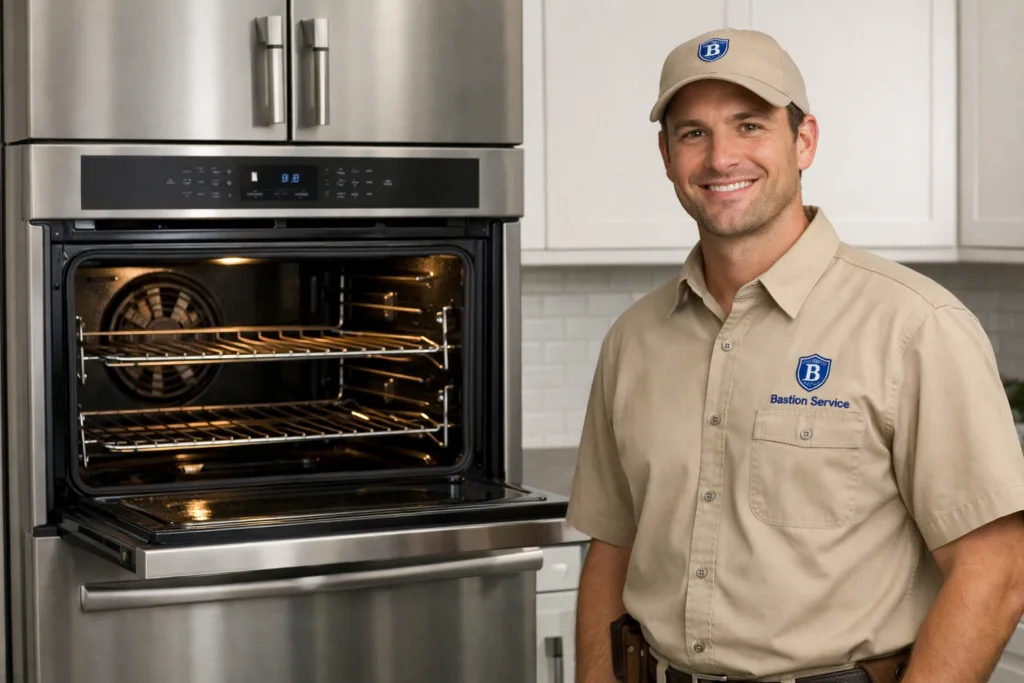
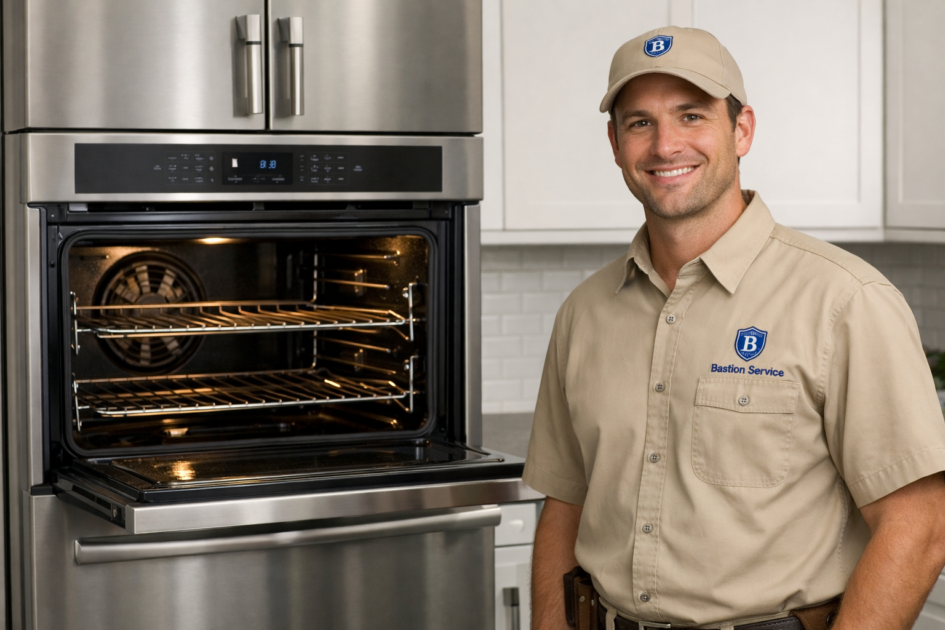
Cooking appliances tend to show performance problems in ways that affect daily routines fast. Homeowners may notice long preheat times, uneven baking, burners that do not respond properly, temperature swings, or an appliance that will not turn on at all. In electric and gas cooking products alike, these signs can be related to heating elements, igniters, sensors, relays, switches, control boards, or power supply issues.
An oven that appears to heat but does not cook evenly may have a calibration or sensor problem rather than a complete heating failure. A cooktop burner that gets too hot or does not regulate smoothly may be dealing with a control or switch fault. If a range continues heating when it should cycle off, that should be treated as a priority.
Any signs of burning smell, breaker trips, visible sparking, or failure to regulate heat safely are reasons to stop using the appliance until it has been evaluated.
KitchenAid ice makers and wine coolers
Smaller specialty appliances often fail in subtle ways first. An ice maker may slow down, produce undersized cubes, stop dispensing properly, or fail to make ice altogether. A wine cooler may drift outside the set range, run constantly, or cool unevenly from top to bottom.
These issues can relate to water supply, inlet components, sensors, airflow, fan operation, sealed-system performance, or control problems. Because these appliances are often expected to maintain a narrow operating range, even minor component issues can become noticeable quickly.
What unusual noises can mean
Noise changes are often one of the best clues that a KitchenAid appliance is under stress. Different sounds can suggest very different failures:
- Clicking: may indicate a start problem, relay issue, or repeated attempt to begin a cycle.
- Grinding: can point to a failing motor, fan, or mechanical obstruction.
- Buzzing or humming: may occur when a pump, compressor, or valve is energized but not operating normally.
- Rattling: can come from loose components, vibration, or fan interference.
Intermittent noise is worth taking seriously even if the appliance still works. Many failures become easier to identify when sound changes are noticed early rather than after the unit stops altogether.
When repair usually makes sense
Repair is often the right move when the appliance is otherwise in good condition and the issue is limited to a specific part or system. That is especially true for built-in or fitted kitchen products, where replacement may involve additional installation work, finish matching, or cabinet considerations.
Replacement becomes more likely when an older appliance has multiple major problems at the same time, a history of repeat failures, or a repair need that is unusually extensive compared with the unit’s remaining service life. The better decision depends on the appliance category, the severity of the fault, and whether performance can be restored in a lasting way.
Signs you should stop using the appliance
Some issues can wait briefly for scheduling, but others should not be ignored. It is wise to stop using the appliance and arrange service if you notice:
- Food compartments no longer staying cold enough
- Water leaking onto the floor
- Burners or oven heat that will not regulate properly
- Electrical odor, smoke, or repeated breaker trips
- Error codes that keep returning after a reset
- Loud new noises from a refrigerator, freezer, or dishwasher
- Frost buildup that returns quickly after clearing
What helps speed up diagnosis
Before service, it helps to note exactly what the appliance is doing and when. Useful details include whether the issue is constant or intermittent, whether it began suddenly or worsened gradually, and whether any error code appeared on the display. For cooling appliances, noting temperature changes or frost patterns can be helpful. For dishwashers and cooking products, it helps to know at what point in the cycle or cooking process the problem appears.
Simple observations often narrow the problem much faster than a general description like “it stopped working.” That can make the next step more efficient and more accurate.
KitchenAid appliance repair in Los Angeles homes
In Los Angeles households, KitchenAid repair needs often center on the appliances people rely on daily: refrigeration, dishwashing, and cooking equipment. Whether the concern is a refrigerator losing temperature, a dishwasher not draining, a cooktop failing to regulate heat, or a wall oven baking unevenly, symptom-based evaluation gives homeowners a better sense of what is actually wrong and whether repair is the sensible next step.
Bastion Service helps homeowners in Los Angeles with KitchenAid appliance problems across supported household categories, with attention to the appliance’s condition, the seriousness of the fault, and the likely value of repair versus replacement.


