





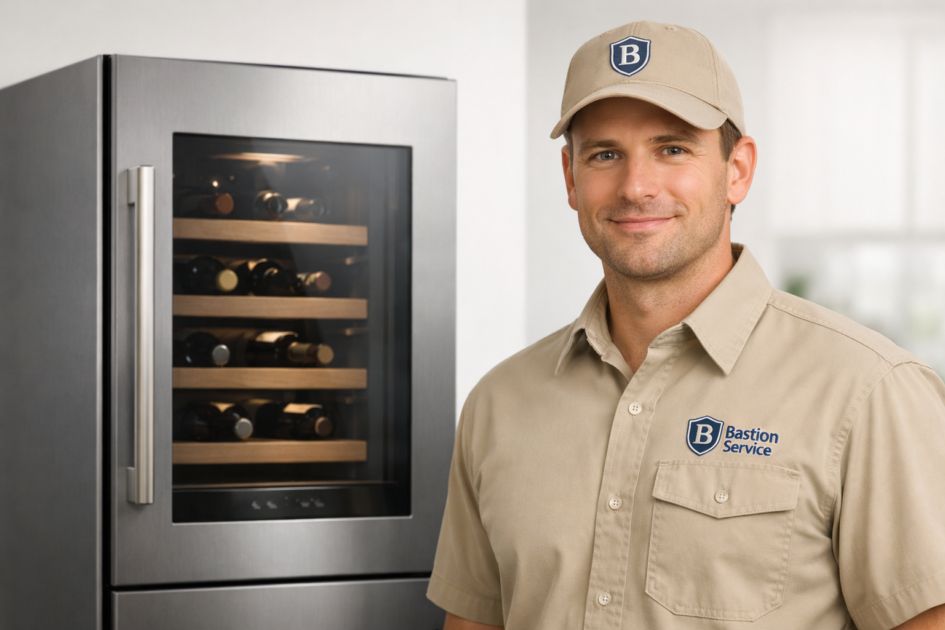
A Fisher & Paykel wine cooler that runs warm, collects moisture, or cycles oddly can put stored bottles at risk sooner than many homeowners expect. In Del Rey homes, these issues often begin subtly: a cabinet that feels a little less cool, a fan noise that was not there before, or condensation showing up around the door glass.
Related Fisher & Paykel and wine cooler service paths in Del Rey include Fisher & Paykel Appliance Repair in Del Rey, Wine Cooler Repair in Del Rey, and Fisher & Paykel Refrigerator Repair in Del Rey.
Because wine storage depends on consistency, even a unit that still turns on and appears to cool somewhat may need attention. The most useful first step is to identify whether the problem is tied to airflow, controls, door sealing, drainage, or the cooling system itself.
What Wine Cooler Problems Usually Mean
Wine coolers are designed to maintain a stable environment rather than produce the cold, wide-range cooling of a standard refrigerator. That means small changes in performance can matter more than they would in other refrigeration appliances. A symptom that seems minor can point to a part that is wearing out or a condition that is forcing the unit to work harder than normal.
In many cases, the same outward symptom can have multiple causes. For example, temperature drift may come from a failing sensor, poor airflow, frost buildup, or a weak door seal. That is why symptom-based troubleshooting is more helpful than assuming one part is always to blame.
Common Fisher & Paykel Wine Cooler Symptoms
Not Cooling Enough
If bottles no longer feel as cool as expected or the cabinet struggles to reach the set temperature, the issue may be related to restricted airflow, dirty condenser surfaces, a weak evaporator fan, or a control problem. In more serious cases, poor cooling can also point to compressor or sealed-system trouble.
Homeowners often notice this problem first after opening the door and finding the interior only mildly cool despite the display showing the correct setting. When that mismatch appears, the unit should not be judged by the display alone.
Temperature Swings
A wine cooler that cools normally for part of the day and then drifts warm may have an intermittent thermostat or sensor issue, inconsistent fan operation, or trouble with the control board. Temperature fluctuation is especially important to address because the appliance may appear to recover while still exposing wine to unstable storage conditions.
If the unit runs in longer cycles than usual or seems to overcorrect after warming up, that can also suggest it is struggling to regulate temperature accurately.
Condensation, Fogging, or Water Inside
Moisture around the door, water droplets on shelves, or fogging on the glass often indicates warm air infiltration or poor humidity control. A worn gasket, slight door misalignment, drainage restriction, or internal airflow issue can all contribute.
Persistent moisture should not be ignored. Beyond the inconvenience, it can lead to odors, shelf damage, and extra strain on cooling components as the unit works to compensate.
Fan Noise, Buzzing, or Rattling
New sounds are often one of the earliest warnings that a wine cooler is not operating normally. A humming fan that gets louder, a rattle during cycles, or repeated clicking can point to fan motor wear, loose interior components, vibration from mounting hardware, or compressor stress.
Some operating sound is normal, but a noticeable change in volume, rhythm, or frequency usually means something has shifted mechanically or electrically.
Running Constantly
If the appliance seems to run most of the time without reaching a stable stop, it may be losing cooling through a gasket leak, struggling with airflow, dealing with dirty coils, or failing to achieve its target temperature because of a deeper cooling issue.
Constant running matters for two reasons: it can accelerate wear on major components, and it often signals that the storage environment is less stable than it should be.
Display Works but Cooling Does Not
When lights and controls respond normally but the cabinet is not cooling correctly, the problem is usually beyond a simple power issue. The unit may have a failed fan, a sensor problem, a control fault, or a cooling-system issue that is preventing normal operation even though the interface still appears active.
How Homeowners Can Spot Early Warning Signs
Before a complete failure, many Fisher & Paykel wine coolers show smaller warning signs. Watch for:
- Bottles feeling warmer than usual even though settings have not changed
- Longer run times or less frequent shutoff
- Condensation that keeps returning after wiping it away
- Changes in fan or compressor sound
- A door that no longer closes firmly or evenly
- Interior sections that feel uneven in temperature
These signs can help catch a problem earlier, when the repair path may be simpler than after a full cooling loss.
When to Stop Using the Wine Cooler Temporarily
Continued use may worsen the problem when the cabinet is clearly warming up, when the fan is not circulating air, or when the unit is running nonstop and becoming unusually noisy. In those situations, the appliance may be putting added strain on the compressor or allowing moisture buildup to spread.
If the door seal is compromised or interior condensation is heavy, limiting use until the issue is evaluated can help reduce further wear and protect the contents from unstable conditions.
Repair or Replacement: What Usually Makes Sense
Repair is often reasonable when the problem involves a serviceable part such as a fan motor, temperature sensor, control component, gasket, or drainage-related issue, and the cabinet itself remains in good condition. For many Del Rey homeowners, that makes repair the first option worth considering.
Replacement becomes more likely when the wine cooler has major sealed-system failure, a history of repeat breakdowns, or an estimated repair cost that is too close to the value of the appliance. Age alone does not decide the issue; the more important factors are the exact fault, overall condition, and expected reliability after repair.
What a Service Visit Should Clarify
A useful service appointment should determine whether the main problem is related to temperature sensing, airflow, door sealing, drainage, electrical controls, or the cooling system. It should also help explain whether the symptom is isolated to one failed part or part of a broader wear pattern.
That information matters because a wine cooler can seem to have a simple cooling complaint while actually dealing with a more specific underlying fault. Understanding that distinction helps homeowners make a better decision about next steps.
Why Symptom Patterns Matter
One of the most important details in wine cooler repair is not just what the unit is doing, but how it behaves over time. A cabinet that is always warm suggests a different problem from one that cools overnight and warms later. A fan that rattles only during startup may point somewhere different than a constant buzzing sound throughout the cycle.
Paying attention to those patterns can make diagnosis faster and more accurate. If you have noticed when the issue appears, whether it worsens after door openings, or whether moisture and sound changes happen together, those details are often useful during service.
Residential Wine Cooler Repair in Del Rey
In a household setting, wine coolers are often used for both everyday convenience and long-term storage. That makes consistent operation more important than simply feeling cool for a few hours after a reset. If your Fisher & Paykel unit is showing temperature swings, fan noise, condensation, or control-related behavior, addressing the issue early can help prevent a more disruptive failure.
For Fisher & Paykel wine cooler repair in Del Rey, the best outcome usually starts with a careful look at the actual symptom pattern, the condition of the appliance, and whether repair is likely to restore stable performance.


