





What common Dacor range symptoms usually mean
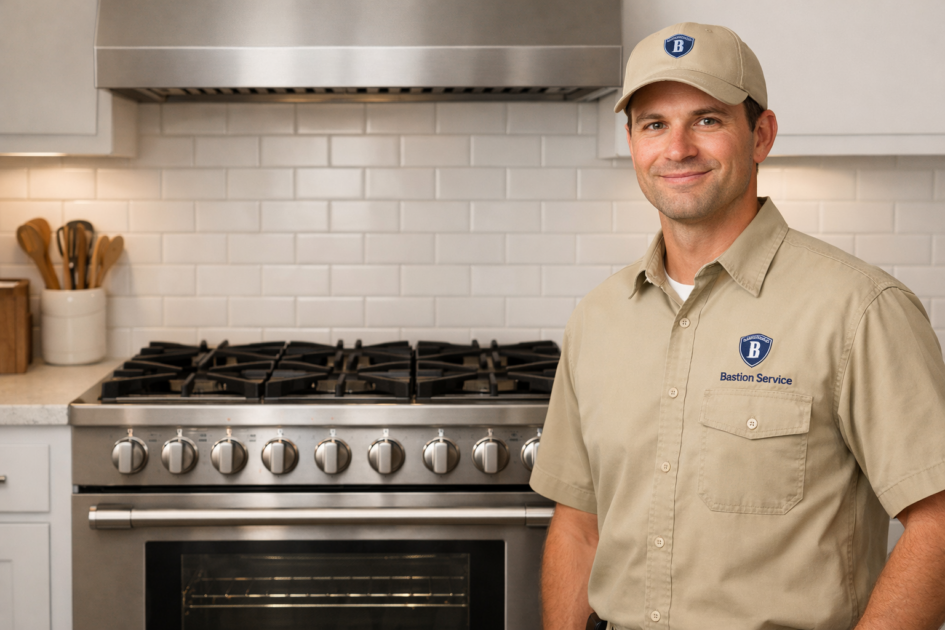
Dacor ranges rely on several systems working together: surface ignition, oven heating, temperature sensing, electronic controls, and door sealing. When one part starts to fail, the symptom is not always as simple as it looks. A burner that clicks but does not light, for example, may be caused by a dirty burner head, moisture around the igniter, a worn spark component, or a switch problem behind the knob.
Related Dacor and range service paths in Cheviot Hills include Dacor Appliance Repair in Cheviot Hills, Range Repair in Cheviot Hills, and Dacor Refrigerator Repair in Cheviot Hills.
Oven performance complaints can be just as varied. Slow preheating may point to a weak igniter, a failing bake element, a temperature sensor issue, or a control fault that is not sending heat correctly. If food comes out undercooked on one rack and overdone on another, the issue may involve uneven heat distribution, inaccurate temperature feedback, or inconsistent cycling during the bake process.
Intermittent problems are especially worth paying attention to. When a range works normally some days and struggles on others, that often suggests a component that is weakening rather than completely dead. Catching that pattern early can help prevent a more disruptive failure during regular cooking at home.
Burner and ignition issues
Surface burner trouble often shows up in a few recognizable ways:
- Clicking that continues after the burner lights
- Repeated clicking with no flame
- Flame that appears uneven or weak
- Burners that ignite only after several tries
- One burner working differently from the others
These problems can come from blocked burner ports, a misaligned cap, moisture after cleaning, ignition wear, or an electrical fault in the spark system. If the flame is irregular, the range may not heat cookware evenly, which can make daily cooking frustrating even before the problem becomes a complete no-start issue.
Oven heating and temperature complaints
Oven problems are often noticed through results first. Meals take longer than usual, preheat stretches out, or baking becomes inconsistent from one use to the next. Common symptoms include:
- Oven not heating at all
- Slow or incomplete preheating
- Temperature running too hot or too cool
- Uneven baking from side to side
- Broiler not turning on properly
Depending on the model, the cause may involve the igniter, bake or broil element, sensor, relay, wiring, or main control. In many cases, the appliance is still powering on and accepting settings, which can make the failure seem confusing until the heating circuit is tested more closely.
Control, display, and responsiveness problems
If the display is blank, buttons stop responding, settings do not register, or error codes appear, the issue may be electronic rather than mechanical. On a Dacor range, that can involve the user interface, control board, wiring connections, or incoming power to the appliance. Some faults are constant, while others appear only during heating cycles, which is why the exact symptom timing matters.
Signs the range should not keep being used
Some issues are more than just inconvenient. If the range overheats, trips power, fails to regulate temperature, or shows persistent ignition trouble, continued use can create added wear and increase repair cost. A burner that struggles to ignite may eventually stop lighting altogether. An oven that runs significantly hotter than the selected temperature can affect both food safety and internal components.
Gas-related warning signs deserve immediate attention. If you notice a strong or persistent gas smell, stop using the range. Do not continue testing burners or trying to relight anything. Leave the area if necessary and contact the gas utility or emergency service before arranging appliance repair. If there is clicking without ignition but no gas odor, that still points to a problem that should be diagnosed before normal use resumes.
How homeowners in Cheviot Hills can judge repair versus replacement
Many Dacor range problems are worth repairing when the failure is limited to a specific part and the rest of the appliance is in good overall condition. That is often the case with igniters, heating elements, temperature sensors, switches, door gaskets, and some control-related components. These problems can affect performance significantly, but they do not always mean the entire range is near the end of its useful life.
Replacement may become the better option when there are multiple major failures at once, recurring breakdowns over a short period, or a costly electronic repair on an older unit with other signs of wear. The deciding factor is usually not one symptom by itself, but the total picture: age, condition, repair scope, and whether the appliance is likely to return to stable everyday use.
For households in Cheviot Hills, that decision is easier when the diagnosis is tied to what the range is actually doing in the kitchen rather than a guess based on one visible symptom.
What a service visit should clarify
A worthwhile range service appointment should answer a few practical questions. Which component is actually failing? Is the issue isolated, or is it part of broader wear? Is it safe to keep using the appliance in the meantime? And is the recommended repair likely to restore normal cooking performance without leading to a chain of follow-up problems?
That matters with a range because surface cooking and oven use are part of daily routine. If the burners are unreliable, if the oven drifts off temperature, or if the controls behave unpredictably, meal planning becomes harder than it should be. Early attention to those symptoms often keeps the repair more straightforward and helps avoid extra downtime.
Problems that often get worse if they are delayed
Some range issues stay manageable for a short time, but many do not stay the same for long. A weak igniter may still light the oven today and fail completely next week. A loose connection in a control circuit may start as occasional display trouble and turn into a nonresponsive oven. A worn door gasket can allow heat to escape, forcing longer cook times and putting more strain on heating components.
Even small ignition problems can become more disruptive if ignored. Repeated clicking, delayed burner lighting, or inconsistent flame behavior may seem minor at first, but those symptoms usually indicate a condition that needs correction rather than observation alone.
Helpful details to note before scheduling Dacor range repair
If you are preparing for service, a few observations can make diagnosis faster and more accurate:
- Whether the problem affects the oven, surface burners, or both
- Whether the issue happens every time or only intermittently
- Any recent power interruption, cleaning, or unusual noise
- Whether the display shows an error code
- If the burner clicks continuously or stops after ignition
- Whether oven temperature seems too high, too low, or inconsistent
Those details can help connect the symptom pattern to the most likely failure path and keep the repair process focused on what is actually happening with the appliance.


