
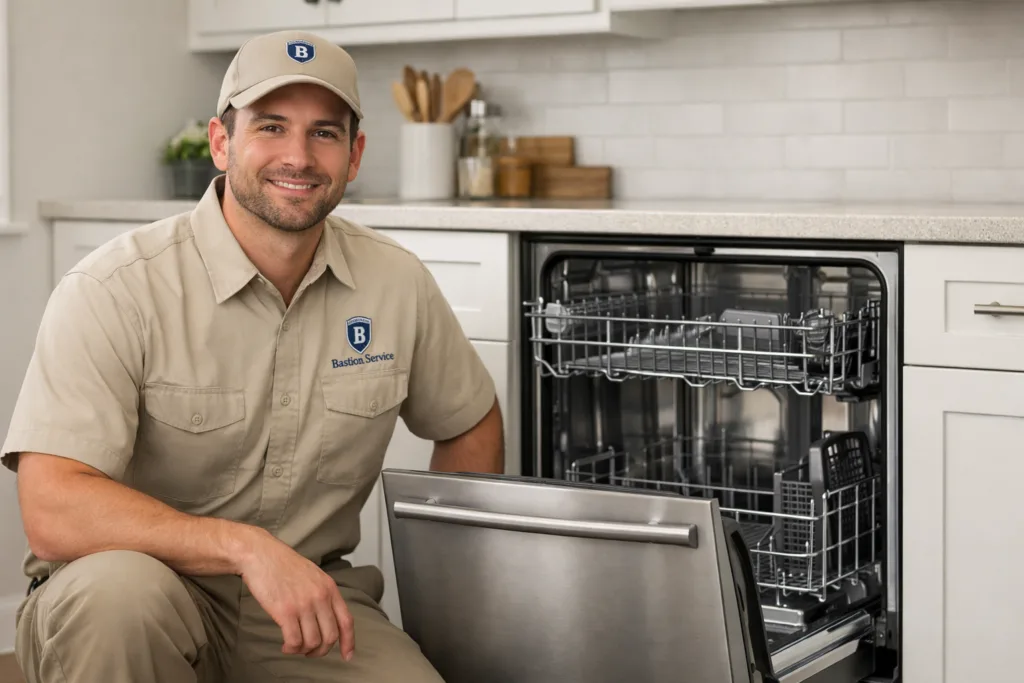




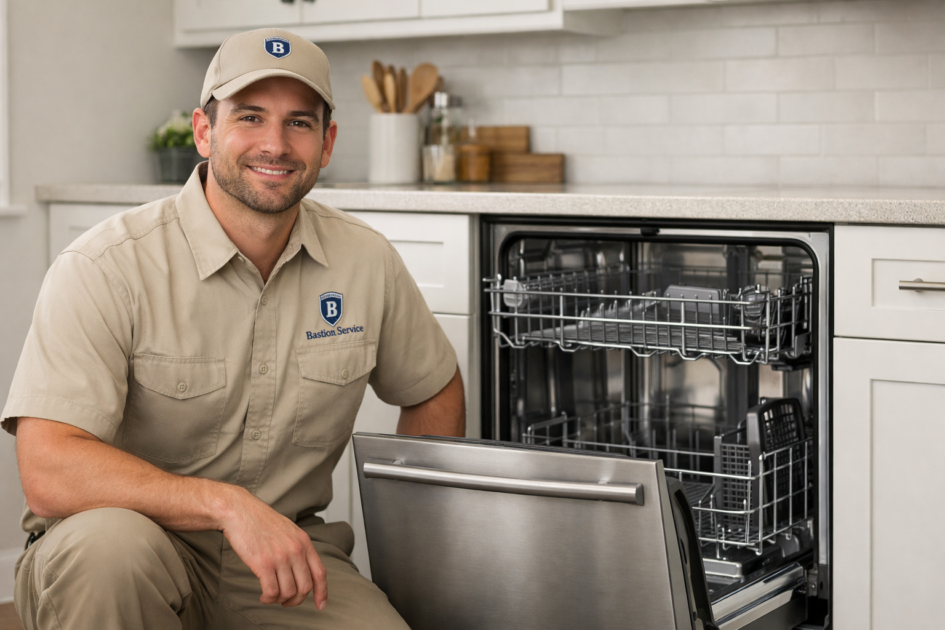
Kitchen cleanup gets harder fast when a Dacor dishwasher starts leaving residue on glasses, pooling water at the bottom, or dripping near the door. Because the same visible problem can come from different mechanical or electrical causes, the most useful approach is to match the repair plan to the exact symptom pattern rather than replacing parts by guesswork.
Related Dacor and dishwasher service paths in Cheviot Hills include Dacor Appliance Repair in Cheviot Hills, Dishwasher Repair in Cheviot Hills, and Dacor Refrigerator Repair in Cheviot Hills.
How Dacor dishwasher problems usually show up
Most household dishwasher issues fall into a few recognizable categories: the unit will not start, it runs but does not wash well, it will not drain fully, it leaks, or it stops partway through a cycle. With Dacor dishwashers, those symptoms can overlap. A drain problem can interrupt washing, a heating issue can look like a cleaning problem, and a door or control fault can make the machine seem completely unresponsive.
Dishwasher will not start
If the display responds but the cycle will not begin, common causes include a door latch problem, a switch issue, a control fault, or an interface problem. Sometimes the machine appears dead because the cycle is not actually being accepted, while in other cases the dishwasher has power but cannot advance past its start checks.
If the unit starts sometimes and fails other times, that intermittent pattern often points to a component that is weakening rather than a one-time operating mistake.
Cycle starts but stops early
A Dacor dishwasher that fills and then quits, drains unexpectedly, or pauses and never recovers may be dealing with a sensor issue, circulation problem, drain restriction, or electronic control fault. When this happens repeatedly, continued use can leave standing water in the base or put extra stress on the pump system.
Dishes come out dirty, cloudy, or still wet
Poor wash results do not always mean the dishwasher needs detergent changes. In many cases, the real issue is weak spray pressure, blocked spray arm openings, low fill, a circulation motor problem, or water that is not reaching the right temperature. If dishes are consistently wet at the end of the cycle, attention usually turns to the heating system, rinse aid delivery, venting, or the way the final drying stage is functioning.
Cloudy glassware, film on dishes, and food left behind after a full cycle often suggest that water movement inside the tub is not happening the way it should.
Standing water or slow draining
Water remaining in the tub after the cycle is one of the most common complaints. Sometimes the cause is debris in the filter area or a restriction in the drain path. In other cases, the drain pump is weak, the hose is kinked, or the machine cannot move water out efficiently because of a flow issue. If the dishwasher hums or repeatedly tries to drain without clearing the water, it is best to stop running it until the cause is identified.
Leaks under the door or near the toe kick
Leaks can begin as a small amount of moisture and gradually turn into flooring or cabinet damage. Possible causes include a worn gasket, overfilling, spray arm deflection, loose hose connections, sump issues, or a cracked valve or line. Water near the front of the machine does not always mean the door seal is the only problem, so the leak source should be traced carefully.
Symptoms that usually mean service should not wait
Some problems are more urgent than others. It makes sense to stop regular use and schedule service if you notice any of the following:
- Water leaking onto the floor
- Standing water that does not clear
- Repeated tripping of power during operation
- Grinding, harsh buzzing, or unusual motor noise
- A burning smell or signs of overheating
- Cycles that run far longer than normal without finishing properly
These signs often point to a failing pump, drain obstruction, electrical fault, heater issue, or control problem that is unlikely to improve on its own.
What can cause low rinse temperature and poor drying
When a dishwasher completes the cycle but items still feel cool, damp, or greasy, low rinse temperature is one of the possibilities. On Dacor units, that can involve the heating element, thermostat-related components, sensors, wiring, or the control side of the heating circuit. Low-temperature rinsing can reduce drying performance and also leave behind detergent residue or a dull film.
If the dishwasher seems to wash but never quite sanitizes or dries as expected, that combination usually deserves a closer inspection instead of repeated cycle changes.
Pump and motor issues homeowners may notice
Pump-related problems do not always announce themselves the same way. A failing circulation motor may lead to weak cleaning and quiet spray action. A drain pump problem may leave water in the tub or create a humming sound with little movement. Some pump issues show up only after the dishwasher has been running for a while, especially if the motor struggles once it warms up.
Symptoms often linked to pump or motor trouble include:
- Little or no spray action during wash
- Buzzing without proper draining
- Intermittent stopping during the cycle
- Dirty dishes despite correct loading
- Unusual mechanical noises from the base of the unit
Repair or replacement depends on the whole picture
For many Dacor dishwasher issues in Cheviot Hills, repair is a sensible option when the failure is limited to a drain component, latch, inlet valve, seal, pump-related part, heater circuit component, or control-related part and the rest of the machine is still in good condition. Replacement becomes more likely when there are multiple active failures, a history of recurring leaks, heavy wear inside the tub area, or repair costs that no longer make sense for the appliance.
A useful decision usually comes down to a few practical questions:
- Is the problem isolated or part of a larger pattern?
- Has the same symptom returned before?
- Is there a risk of water damage if use continues?
- Is the overall dishwasher condition strong enough to justify repair?
What to check before scheduling service
Before service, it helps to note exactly when the problem happens. Does the dishwasher fail at startup, during wash, or while draining? Is the issue present on every cycle or only on certain settings? Is there water left inside afterward? These details help narrow the likely cause.
If it is safe to do so, homeowners in Cheviot Hills can also look for obvious debris in the filter area, confirm that the door closes fully, and observe whether the unit is filling, washing, and draining in the expected order. If there is leaking, harsh noise, or repeated draining without clearing the tub, it is best to leave the dishwasher off until it can be evaluated.
What homeowners in Cheviot Hills should expect from a symptom-based repair visit
The goal of service is not just to make the dishwasher run once, but to identify why it failed in the first place and whether the repair path is worthwhile. That matters with issues like poor wash performance, intermittent shutdowns, and slow drain complaints, where the visible symptom may be only part of the story.
For Dacor Dishwasher Repair in Cheviot Hills, the most helpful outcome is a diagnosis tied to the way the machine is actually behaving in the home, along with a repair recommendation based on the appliance condition, the failed system, and the likelihood of reliable daily use after the fix.


