
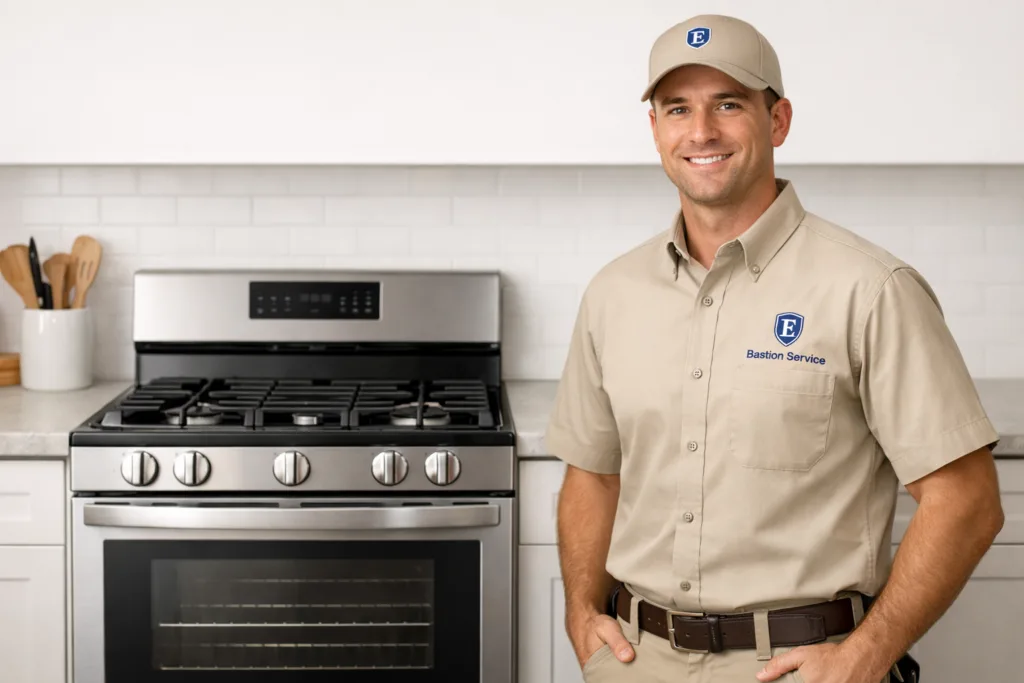




How Whirlpool range problems usually show up
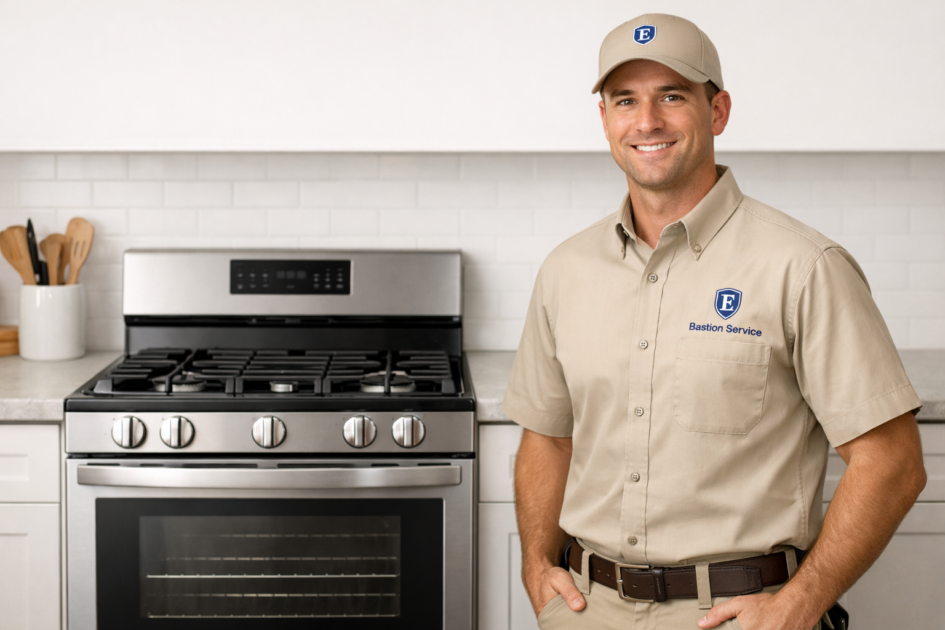
Range issues often start as small changes in everyday cooking. A front burner may take longer to heat than usual, the oven may need extra time to preheat, or the control panel may respond only part of the time. These early symptoms matter because they can point to a specific failed part rather than a full appliance breakdown.
Related Whirlpool and range service paths in Cheviot Hills include Whirlpool Appliance Repair in Cheviot Hills, Range Repair in Cheviot Hills, and Whirlpool Refrigerator Repair in Cheviot Hills.
A Whirlpool range combines cooktop components, oven heating parts, ignition hardware, temperature sensing, and electronic controls. When one system starts to fail, the symptom is not always obvious. A burner that seems weak could be dealing with a switch or connection problem, while an oven that bakes unevenly may be struggling with the sensor, igniter, element, or control.
Common Whirlpool range issues in Cheviot Hills homes
Burners not heating properly
On electric Whirlpool ranges, a surface burner that stays cold may have a failed element, a damaged receptacle, a faulty infinite switch, or a wiring problem. If the burner turns on but does not change heat levels correctly, the control switch is often worth checking.
On gas models, poor burner performance can show up as weak flame, uneven flame, delayed lighting, or no ignition at all. In some cases the problem is limited to buildup around the burner head or cap. In others, the fault may involve the spark system or a burner component that is no longer aligning correctly.
Oven not heating or not holding temperature
If the oven will not heat, heats too slowly, or never seems to reach the selected setting, several different parts could be involved. Electric models may have a failed bake or broil element. Gas models commonly develop igniter-related problems that allow the oven to struggle or stop heating altogether.
Temperature complaints can also come from a sensor issue or an electronic control fault. Homeowners usually notice this as undercooked food, overbrowned dishes, long preheat times, or results that change from one meal to the next even when the recipe stays the same.
Clicking, delayed ignition, or unreliable gas burner lighting
Repeated clicking is one of the more recognizable gas range complaints. Sometimes it begins after cleaning or after moisture gets into the ignition area. If the clicking continues after the area has dried and the burner parts are seated correctly, the issue may be related to the spark switch, ignition system, or burner alignment.
Delayed ignition should not be brushed off. Burners should light smoothly and consistently. If flame starts late or unevenly, the range should be checked before it is used normally again.
Display, keypad, or control problems
A blank display, unresponsive keypad, random beeping, or cooking modes that do not work correctly can point to a control-side failure. Some Whirlpool ranges develop intermittent electronic problems, which can make the appliance seem fine one day and unreliable the next.
When controls act unpredictably, diagnosis matters because the problem may be isolated to the interface or tied to a larger internal electrical issue.
Symptoms that deserve faster attention
Some problems can wait a short time for scheduling. Others should be addressed sooner because continued use may make the repair larger or create a safety concern. It is smart to stop and reassess if your range is showing any of these signs:
- Burners that spark repeatedly or light late
- Oven temperatures that swing far above or below the set point
- Error codes that keep returning after a reset
- A burner or oven circuit that trips the breaker
- A control panel that cuts in and out during cooking
- An element that glows incorrectly or will not cycle off
These symptoms do not always mean the range is beyond repair, but they usually do mean it is time for service rather than guesswork.
What can make diagnosis easier
Before scheduling service, it helps to pay attention to the exact pattern. Useful details include whether the issue affects the oven, the cooktop, or both; whether the problem is constant or intermittent; and whether it started suddenly or got worse over time.
For oven complaints, note whether the unit fails during preheat, struggles during baking, overheats, or behaves differently in bake versus broil. For burner complaints, note whether the burner clicks, heats weakly, ignores setting changes, or fails only after the range has been in use for a while.
If you have already cleaned the burner area, reset the breaker, or noticed an error code, that information can help narrow the failure more quickly.
Repair or replace: what usually makes sense
Many Whirlpool range problems are still worth repairing, especially when the fault is limited to a burner component, igniter, element, sensor, switch, or another single part and the rest of the appliance is in good condition. A targeted repair is often the most cost-effective path when the range has otherwise been working well.
Replacement starts to make more sense when the unit has multiple recurring issues, a major control failure combined with heavy wear, or a repair cost that is too high relative to the condition of the appliance. The age of the range also matters, but age alone does not decide the answer. A well-kept unit with one isolated failure can still be a solid repair candidate.
What homeowners in Cheviot Hills can expect from a symptom-based repair approach
The goal is not just to restore heat for one meal. It is to identify why the Whirlpool range is failing and whether the recommended repair is likely to return it to normal household use. That is especially important when symptoms overlap, such as an oven that seems slow to heat and also cooks unevenly, or a burner that both clicks and lights inconsistently.
For households in Cheviot Hills, Whirlpool range repair tends to go more smoothly when the problem is evaluated by symptom instead of by assumption. That helps avoid unnecessary part replacement and gives a more realistic picture of the repair path.
Practical next steps when your range is not working right
If the appliance is showing unstable heating, unreliable ignition, or control problems, avoid forcing repeated test cycles just to see if it clears up on its own. Continued use can sometimes stress other parts or turn an intermittent issue into a complete failure.
A practical repair plan starts with the symptom you are seeing now: a burner that will not heat, an oven that will not maintain temperature, or controls that no longer respond normally. From there, the decision becomes much easier—repair the isolated fault, pause use until service is completed, or consider replacement if the range is showing broader wear.


