
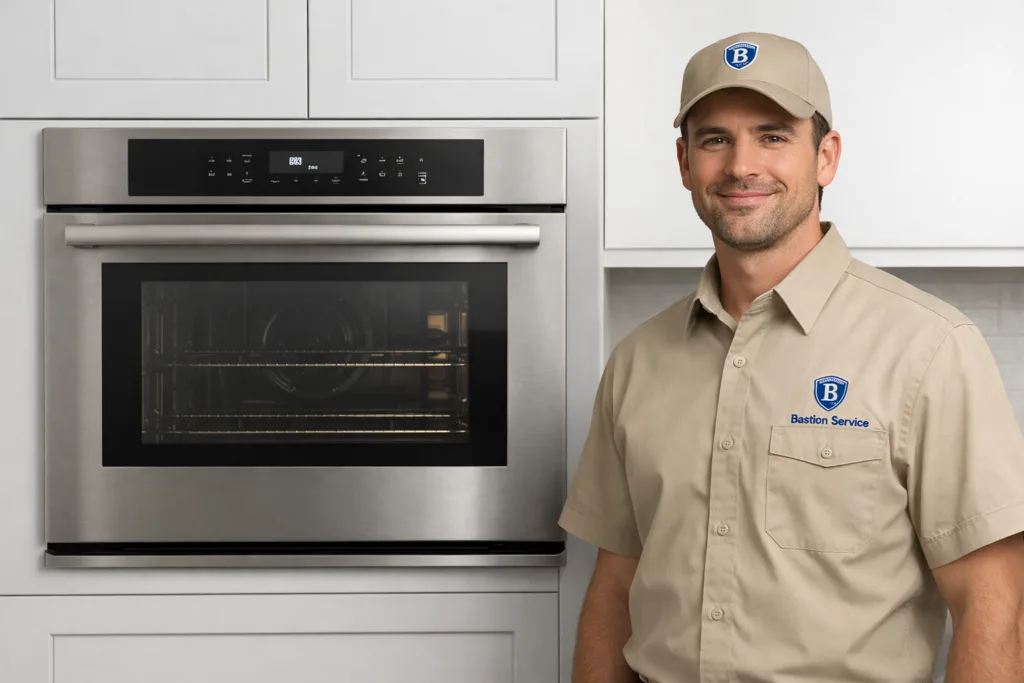




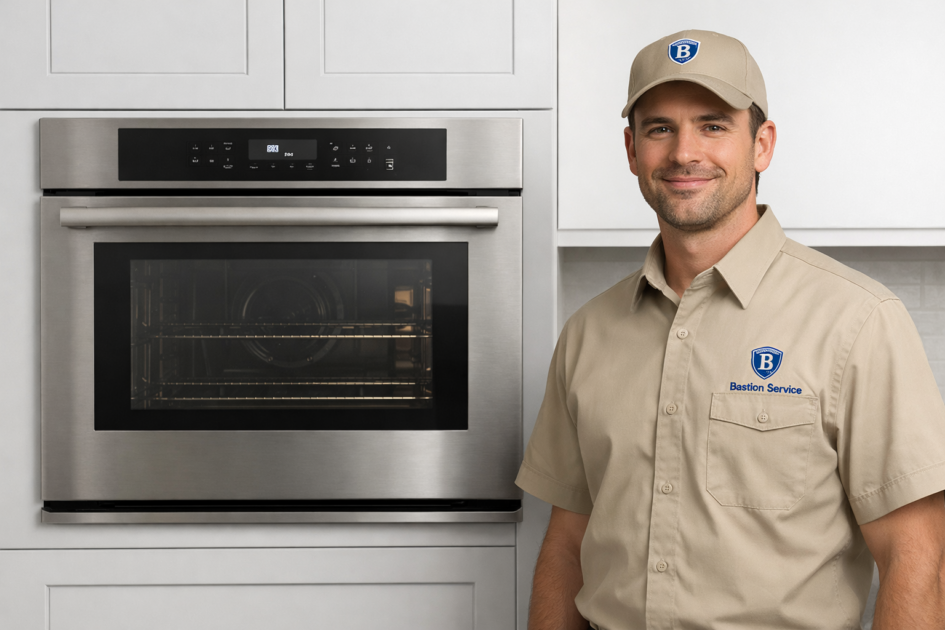
Cooking problems rarely begin with a complete breakdown. More often, a Dacor oven starts showing smaller signs first: preheat takes longer than usual, cookies brown unevenly, the display acts strangely, or the oven shuts off before the food is done. Those symptoms matter because they often point to different failures, even when the appliance seems to be having one simple problem.
Related Dacor and oven service paths in Cheviot Hills include Dacor Appliance Repair in Cheviot Hills, Oven Repair in Cheviot Hills, and Dacor Refrigerator Repair in Cheviot Hills.
How Dacor oven problems usually show up
Dacor ovens can develop heating, sensor, control, fan, and door-related issues that affect cooking results in very different ways. An oven that does not heat at all is diagnosed differently from one that heats inconsistently, runs hot, or only fails during certain modes. In many homes in Cheviot Hills, the difference between a manageable repair and a frustrating repeat issue comes down to identifying the actual failed part rather than replacing components by guesswork.
It also helps to pay attention to patterns. If the oven works during broil but not bake, reaches temperature and then drops off, or only fails after twenty minutes of use, that symptom pattern can narrow the cause significantly. Details like these are often more useful than simply saying the oven is not working.
Common symptoms and what they can mean
Oven will not heat
If the control panel turns on but the cavity stays cold, possible causes include a failed bake element, broil element, igniter, thermal cutoff, temperature sensor, relay, or electronic control fault. In some cases, the oven may appear to begin a cycle normally even though one of the main heating components is no longer functioning.
If only one cooking mode fails, that distinction matters. A unit that broils but does not bake points to a different repair path than a unit that is completely unresponsive across all functions.
Slow preheat
Slow preheat is easy to ignore at first, but it often signals a weak heating element, failing igniter, sensor issue, or a problem with how the control is cycling heat. The oven may eventually reach the set temperature, but only after taking much longer than normal. That can affect weeknight cooking, baking accuracy, and overall appliance performance.
When slow preheat is accompanied by longer cook times or pale, underdone food, it usually means the issue is affecting real cooking temperature, not just the display timing.
Uneven baking
Uneven baking can show up as burnt bottoms, pale tops, one side of the pan cooking faster than the other, or different results depending on rack position. Possible causes include a weak element, convection fan issue, sensor drift, heat loss from the door area, or a control problem that is not cycling heat properly.
This is especially frustrating because the oven may still seem mostly usable. However, when results stop being consistent, the appliance is no longer performing the way it should for baking, roasting, or multi-rack cooking.
Temperature swings or overheating
Some temperature variation is normal in any oven, but wide swings are not. If food suddenly burns, the oven runs much hotter than the selected setting, or recipes that used to work now fail without explanation, the problem may involve the temperature sensor, control board, calibration, or a relay that is sticking in the heat cycle.
An overheating oven should not be treated as a minor inconvenience. Continued use can stress other components and may create a safety concern if the temperature is clearly out of control.
Display, keypad, or electronic control issues
Dacor ovens with electronic controls can develop problems that look inconsistent at first. The display may be blank, the keypad may stop responding, the clock may reset, or error codes may appear only part of the time. These symptoms can come from the interface, wiring, power supply, or main control board.
Intermittent control failures deserve attention because they can affect heating, timing, and shutdown behavior even when the oven still powers on.
Door problems, fan noise, or mid-cycle shutdowns
If the door does not close tightly, heat can escape and temperature regulation suffers. A cooling fan that runs loudly, rattles, or does not behave normally may also point to a developing issue. Sudden shutdowns during baking or self-clean can involve overheating protection, control faults, latch problems, or electrical interruptions.
Repeated tripping of the breaker, sudden loss of power, or a burning electrical smell should be treated as reasons to stop using the oven until it has been checked.
What homeowners can note before service
A few observations can make diagnosis more efficient:
- Whether the problem affects bake, broil, convection, self-clean, or all functions
- If the oven heats at all, heats slowly, or overshoots the set temperature
- Any error codes or flashing messages on the display
- Whether the issue is constant or only happens sometimes
- If the oven shuts off after preheating or after it has been running for a while
- The model number and, if available, the approximate age of the unit
These details help separate a failed heating component from a sensor problem, control issue, or power-related fault.
When repair usually makes sense
Many Dacor oven issues are repairable when the appliance is otherwise in good condition. Problems involving igniters, heating elements, sensors, switches, latches, fans, and some electronic faults can often be addressed without replacing the entire unit. A single failed part is very different from an oven with multiple recurring problems and heavy wear.
Replacement becomes a more serious consideration when there are repeated control failures, multiple major parts failing together, severe interior wear, or repair cost that no longer makes sense for the age and condition of the appliance. The right choice depends on the exact failure, not just the brand or the fact that the oven has stopped working properly.
Signs the problem should not wait
Scheduling service sooner is wise when the oven:
- Will not preheat or takes unusually long to reach temperature
- Burns food despite normal settings
- Shows persistent error codes
- Shuts off in the middle of cooking
- Trips the breaker
- Produces unusual buzzing, clicking, or fan noise that is getting worse
If there is sparking, a strong electrical burning smell, or repeated power loss, stop using the unit. For gas oven configurations, any ongoing gas smell should also be treated as a safety issue first.
Choosing service for a Dacor oven in Cheviot Hills
Homeowners usually benefit most from service that focuses on the actual cooking symptom and how the oven behaves through a full cycle. An oven that is dead, an oven that runs hot, and an oven that bakes unevenly may all require very different repairs. The useful next step is to compare the symptom pattern, the condition of the appliance, and the likely repair path before deciding how to proceed.
For households in Cheviot Hills, that approach helps avoid wasted time, repeated food failures, and unnecessary part replacement while restoring more predictable oven performance.


