
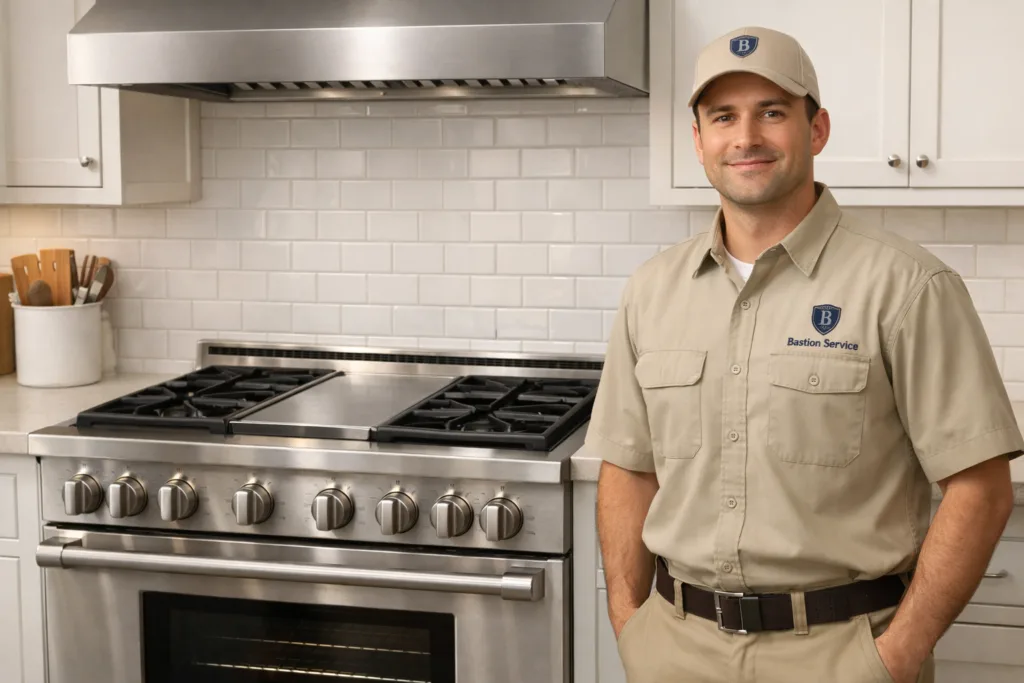




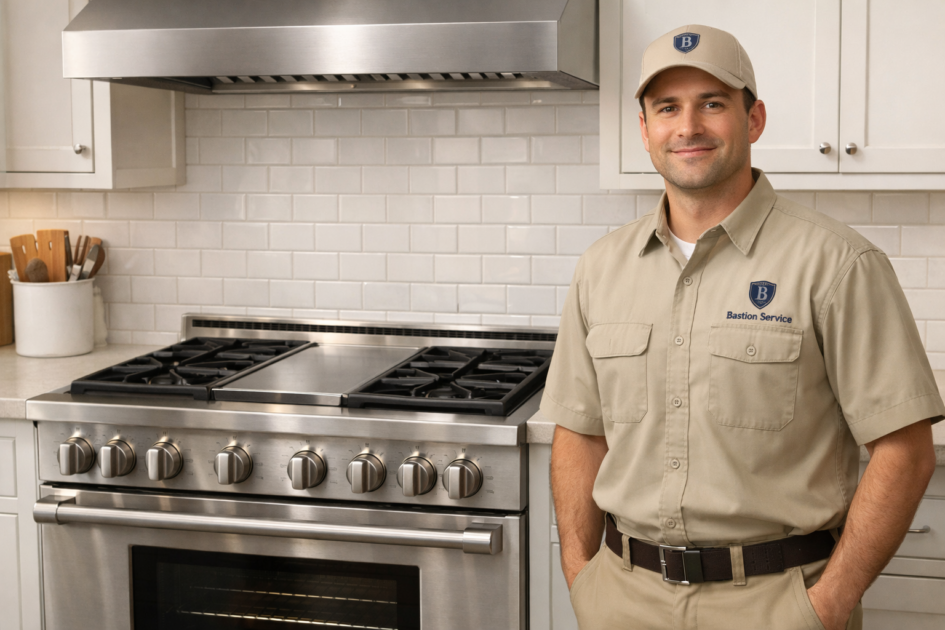
Cooking issues on a Wolf range often start as small changes that are easy to dismiss: a burner that needs a second try, an oven that seems a little slow, or temperature results that are no longer predictable. Those early symptoms usually point to a specific fault, and identifying it correctly matters because ignition, heat regulation, sensing, and controls can all create similar complaints.
Related Wolf and range service paths in Cheviot Hills include Wolf Appliance Repair in Cheviot Hills, Range Repair in Cheviot Hills, and Wolf Oven Repair in Cheviot Hills.
How symptom patterns help narrow down the problem
A range is really several systems working together. Surface burners need proper ignition and flame control, while the oven depends on accurate temperature sensing, reliable heat production, and stable control response. When one part starts failing, the symptom can show up in more than one way.
For example, slow oven preheating may come from a weak igniter, but it can also be tied to a sensor issue or control fault. Repeated burner clicking might be caused by moisture or burner cap misalignment, yet it can also point to an ignition component problem. Looking at the full symptom pattern usually tells more than any single complaint by itself.
Common Wolf range issues in Cheviot Hills homes
Burner clicking that will not stop
If a burner keeps clicking after it lights, or clicks without lighting at all, the cause may be a dirty ignition area, a burner cap that is not seated correctly, trapped moisture, a worn spark module, or an issue with the switch circuit. When the clicking is constant, it is usually a sign that the ignition system is not reading normal operation.
This kind of problem is frustrating because the burner may still work sometimes, which makes it seem minor. In practice, intermittent ignition usually gets worse rather than better.
Burner not lighting or lighting slowly
Slow ignition can indicate clogged burner ports, a weak spark, or a gas flow problem affecting that burner assembly. If one burner behaves differently from the others, the issue is often localized. If several burners act up at once, the diagnosis may need to include shared ignition or supply-related components.
If there is a strong or ongoing gas odor, stop using the appliance until the condition is properly evaluated.
Oven not heating properly
When the oven will not heat, heats only partially, or takes much longer than usual to preheat, the failure may involve the igniter, bake element on applicable models, temperature sensor, relay, or electronic control. Homeowners often notice this first through cooking results rather than a total no-heat condition.
A meal that normally finishes on time may suddenly need extra minutes, or food may look underdone even though the display says the oven is ready. Those signs usually mean the oven is not reaching or maintaining the selected temperature as it should.
Uneven baking or roasting
Hot spots, poor browning, and inconsistent baking results can point to temperature calibration drift, weak heat production, sensor inaccuracies, or loss of heat from a worn door gasket. On a premium range, even a modest temperature error can become noticeable in everyday cooking.
If pans need to be rotated far more than before, or if the same recipes no longer come out consistently, that is useful diagnostic information.
Burners running too high or too low
Flame that stays weak, flares too high, or does not adjust smoothly may involve the valve, regulator, burner assembly, or control components depending on the model. On dual-fuel configurations, electric control issues can also affect how the cooking surface responds.
This is not only a performance problem. It also affects how safely and predictably the range can be used for simmering, boiling, and everyday meal prep.
Display, controls, or oven functions acting erratically
Unresponsive buttons, random shutoffs, error displays, or oven functions that start and stop inconsistently often suggest a control-side issue. Wiring faults, board failures, sensor communication problems, and power-related interruptions can all create symptoms that seem unrelated at first.
When electronic problems appear together with heating issues, the repair path should account for both rather than treating them as separate coincidences.
Signs the problem should not be ignored
Some range issues are mostly inconvenient. Others can lead to larger failures or raise safety concerns if use continues. It is worth scheduling service when you notice any of the following:
- Ignition is becoming slower week by week
- Burners click repeatedly after lighting
- The oven temperature seems inaccurate from one use to the next
- Preheat takes much longer than it used to
- The display shows errors or stops responding normally
- You are constantly adjusting cook times to compensate
- One function works while another seems unreliable
These symptoms often start before a complete breakdown, which gives homeowners a chance to address the fault before the range becomes unusable.
When continued use can cause more trouble
A weak oven igniter may still light for a while, but it can eventually fail outright. An ignition issue on a surface burner can put extra wear on related components if it keeps sparking unnecessarily. Temperature regulation problems can also put stress on controls and reduce cooking consistency long before the appliance stops working altogether.
If the range is behaving unpredictably, overheating, shutting off unexpectedly, or tripping power, it is better to stop normal use until the cause is identified. With cooking appliances, intermittent symptoms are not always harmless just because the appliance still turns on.
Repair versus replacement
Many Wolf range problems are still good repair candidates when the issue is limited to one or two serviceable parts and the rest of the appliance is in solid condition. That is often the case with igniters, sensors, switches, certain burner components, and some control-related faults.
Replacement becomes a bigger conversation when the range has multiple major failures, a history of repeated unresolved problems, or widespread wear affecting several systems at once. Age alone does not decide the answer. What matters more is the condition of the appliance, the number of failing components, and whether the current issue is isolated or part of a larger pattern.
What helps homeowners prepare for a service visit
A few details can make the problem easier to trace. Try to note whether the issue affects the oven, the cooktop, or both; whether it happens every time or only sometimes; and whether it began suddenly or gradually. It also helps to know if the problem appears during preheat, after the range has been running for a while, or only on one specific burner.
Useful observations include:
- Whether clicking continues after ignition
- Whether one burner behaves differently from the others
- How long preheating now takes compared with normal
- Whether the display shows any code or unusual behavior
- Whether food is undercooking, overcooking, or browning unevenly
That kind of information helps connect the symptom to the most likely failure instead of relying on guesswork.
Why careful diagnosis matters on a premium range
Wolf ranges are built for performance, so small changes in ignition, heat output, or temperature accuracy are often more noticeable in day-to-day cooking. The most effective repair starts with identifying the failing system, confirming whether the issue is isolated, and checking whether related parts have also been affected.
For homeowners in Cheviot Hills, the goal is usually straightforward: restore normal cooking, avoid unnecessary part replacement, and understand whether the range is worth repairing based on its actual condition. A thoughtful diagnosis makes that decision much easier.


