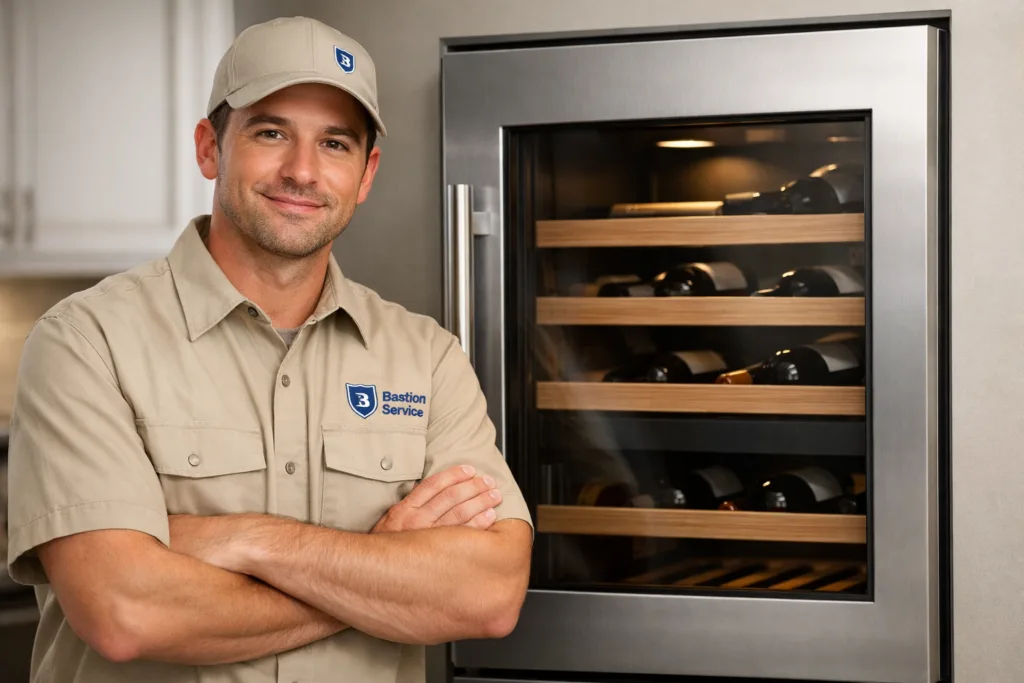
Temperature problems in a True wine cooler rarely start and end with a single obvious symptom. A cabinet that seems slightly warm one day may begin cycling longer, developing condensation, or making new fan noise the next. For homeowners in Palms, the most useful approach is to look at the full pattern of behavior before deciding what kind of repair makes sense.
Common signs something is wrong
Most wine cooler issues become noticeable in everyday use. Bottles may not feel as cool as they should, the display setting may not match the actual interior temperature, or one area of the cabinet may seem colder than another. Some households first notice moisture on the glass, water under shelves, vibration against surrounding cabinetry, or a door that no longer closes with a firm seal.
These symptoms matter because they often point to different underlying faults. Poor airflow, a worn gasket, a circulation fan problem, a sensor issue, or a refrigeration-system fault can all affect temperature stability. The better the symptom pattern is understood, the easier it is to avoid replacing parts that are not actually causing the problem.
What specific symptoms may indicate
Not cooling enough
If the unit powers on but the cabinet stays too warm, the issue may involve airflow restriction, condenser buildup, fan failure, control trouble, or a more serious cooling-system problem. A temperature setting change can sometimes be part of the issue, but when the cooler remains warm for more than a short period, it is usually a sign that the system is no longer regulating temperature normally.
Temperature swings
When the cooler seems fine at one point in the day and then drifts warmer later, the cause may be less obvious than a complete cooling failure. Intermittent sensor readings, inconsistent fan operation, control board issues, or a door that is not sealing fully can all create unstable temperatures. Wine storage is affected by fluctuation even when the cabinet still feels somewhat cool.
Condensation on the door or inside the cabinet
Moisture buildup often means warm, humid air is getting into the cabinet or that cooling balance inside the unit has changed. A damaged gasket, alignment problem, drain issue, or uneven cooling pattern can all contribute. In a household setting, repeated condensation is more than a cosmetic issue because it can lead to odor, excess frost, and added strain on the system.
Fan noise, rattling, or vibration
Some operating sound is normal, but loud buzzing, rattling shelves, repeated clicking, or noticeable fan noise should not be ignored. In some cases, the cause is simple, such as leveling or cabinet contact. In others, unusual sound is tied to a failing fan motor, mounting issue, or a system working harder than it should because of poor heat transfer or control problems.
Running constantly or cycling too often
A wine cooler that rarely seems to rest may be struggling to maintain its set temperature. Dirty condenser components, leaking door seals, sensor faults, and cooling inefficiency can all lead to long run times. If constant operation is paired with weak cooling, the issue becomes more urgent because prolonged strain can affect additional components.
Why symptom-based diagnosis matters
Different faults can look almost identical from the outside. A warm cabinet may be caused by a gasket leak, a circulation problem, a thermostat or sensor issue, or a sealed-system fault. Water inside the cooler may be related to condensation, drainage, or temperature imbalance. That is why a practical repair plan begins with checking how the unit is actually operating rather than assuming the first visible symptom tells the whole story.
This is especially important with a True wine cooler, where steady storage conditions matter more than simply getting the interior to feel somewhat cold again. A successful repair should restore stable performance, not just temporary cooling.
Problems homeowners can notice before service
- The display is set correctly, but bottles do not stay at the expected temperature.
- The cabinet feels warmer after the door has remained closed for hours.
- Condensation returns even after wiping it away.
- The unit has started making a new humming, rattling, or fan-like sound.
- The door does not pull closed as firmly as it used to.
- The wine cooler seems to run much longer than before.
These observations are helpful because they narrow the likely repair path. A cooler that is warm and noisy suggests something different from one that cools unevenly but remains quiet. Small details often make the difference between a minor part repair and a more involved system issue.
When to stop waiting and schedule service
It is a good time to schedule service when the temperature is no longer reliable, when condensation keeps returning, when the unit runs almost nonstop, or when unusual sound becomes part of normal operation. Intermittent problems also deserve attention. Many control, fan, and starting-component issues appear in stages before the cooler stops working altogether.
Waiting too long can make diagnosis harder, especially if the problem comes and goes. A unit that temporarily recovers may still have a failing sensor, unstable control response, or an airflow issue that will continue to affect performance.
When continued use may make things worse
If the cabinet is staying warm, frosting heavily, leaking water, or running excessively, continued operation can increase wear. A bad seal keeps letting humidity in. Restricted airflow forces the system to work longer. Electrical or control issues can become less predictable over time. In a home in Palms, limiting use until the cause is checked is often the better choice when the cooler is clearly not operating normally.
Repair versus replacement
Not every malfunction points to replacement. If the problem is tied to a fan motor, gasket, drain issue, sensor, or control-related part, repair is often the sensible route. If the diagnosis shows major sealed-system trouble, repeated breakdown history, or overall wear that makes stable temperature unlikely, replacement may be the more practical long-term decision.
The key question is not just whether the unit still turns on. What matters is whether it can maintain the conditions it was meant to provide without constant fluctuation, moisture problems, or excessive run time.
What to expect from a focused repair visit
A service call for a True wine cooler should center on the actual complaint: not cooling, temperature swings, condensation, fan noise, or control trouble. From there, the unit can be evaluated for airflow, door sealing, fan operation, temperature response, and signs of deeper cooling-system failure. That kind of diagnosis helps homeowners in Palms decide whether the issue is straightforward, part-specific, or serious enough to change the repair decision.
Helpful next steps for Palms homeowners
If your True wine cooler has begun showing any combination of warm temperatures, moisture, noise, or irregular cycling, the smartest next step is to have the symptom pattern evaluated before the problem spreads. A targeted repair based on how the unit is actually failing gives you a better chance of restoring consistent performance and avoiding unnecessary parts replacement.