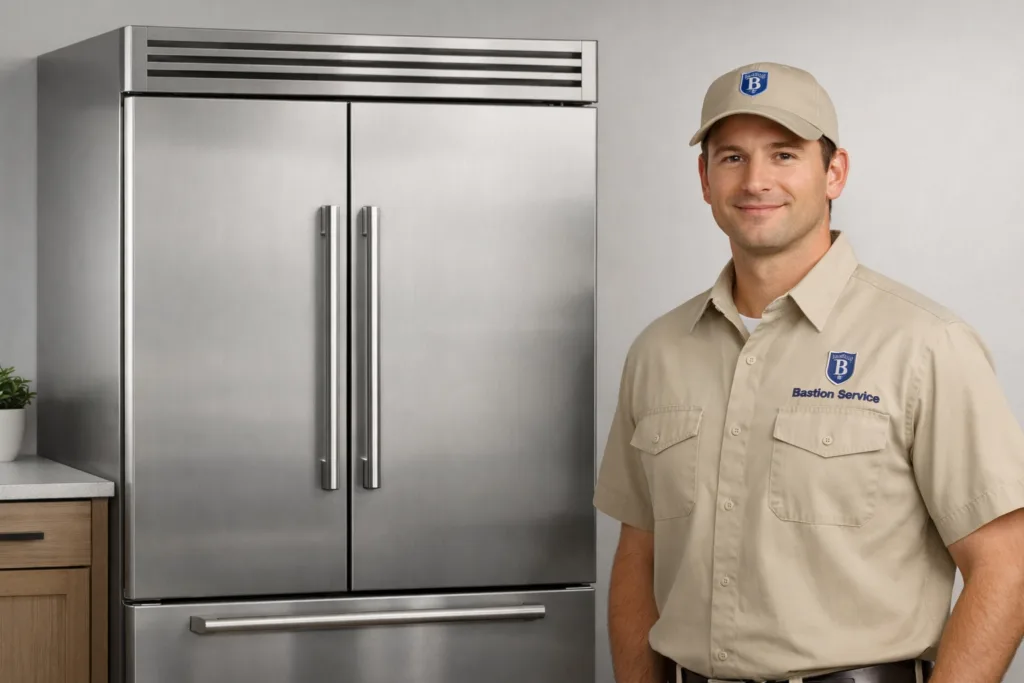
Food spoilage, water on the floor, and nonstop compressor noise usually start with a symptom that seems minor at first. With a True refrigerator, those symptoms can point to very different faults, so it helps to look at how the unit is behaving overall rather than focusing on one sign in isolation.
What the symptom pattern can reveal
A refrigerator problem is easier to solve when the full pattern is considered. A section that feels warm, frost on one wall, and a louder-than-normal fan may all be connected. In many cases, the underlying issue involves airflow, temperature sensing, defrost operation, door sealing, or heat removal at the condenser.
That is why a service visit should not be based on guesswork alone. A proper check typically includes temperature behavior, fan movement, gasket condition, drain function, control response, and compressor operation before a repair path is recommended.
Weak cooling or rising temperatures
If milk is warming up, leftovers are not staying cold, or the refrigerator takes too long to recover after the door opens, the cause may be more than one simple setting issue. Common possibilities include restricted airflow, dirty condenser components, an evaporator fan problem, a sensor fault, a defrost failure, or trouble in the sealed system.
One reason this symptom matters is that a refrigerator can appear to be running while still failing to protect food. Interior lights may work, the control panel may respond, and the compressor may hum, yet the cabinet still cannot maintain safe temperatures. When that happens, continued use can increase wear and lead to more food loss.
Food freezing in the fresh food section
When produce freezes, drinks form ice crystals, or items near the vents get too cold, the refrigerator may be overcooling in one area while failing to regulate temperature evenly. This can happen because of airflow imbalance, sensor trouble, thermostat issues, or a control problem that is not reading conditions correctly.
Moving food away from the vent may reduce the immediate annoyance, but it does not fix the reason the cold air is being delivered or managed incorrectly. If the pattern keeps returning, the underlying control or airflow fault should be addressed.
Water leaks and interior moisture
Water under a True refrigerator or droplets collecting inside the cabinet usually mean something is interfering with normal drainage or temperature stability. A clogged defrost drain is a common cause, but poor door sealing, uneven leveling, and cooling problems can also create condensation and leaking.
Moisture issues are worth handling quickly because they can damage flooring, create odors, and hide developing cooling trouble. If shelves are wet, drawers collect water, or puddles return after being cleaned up, the leak is telling you something about how the refrigerator is operating.
Frost buildup that keeps coming back
Frost on the back wall, around vents, or on stored food often means the refrigerator is not completing normal defrost cycles or is pulling in excess humid air. A door that is not sealing well can create one type of frost pattern, while a failed defrost heater, sensor, or control issue can create another.
Manual defrosting may temporarily improve airflow and cooling, but repeated frost usually returns when the failed component has not been corrected. If frost buildup is heavy enough to affect fan movement, you may also notice new noise or reduced cooling at the same time.
Buzzing, clicking, humming, or constant running
Some refrigerator sounds are normal, especially during startup, defrost cycles, or temperature recovery. What matters is a change from the usual pattern. Clicking at startup can point to trouble with start components. A buzzing or rubbing noise may come from a fan blade contacting frost. A refrigerator that runs almost constantly may be struggling to remove heat, hold temperature, or respond to controls properly.
If the sound is new, louder, or paired with weak cooling, it is usually a sign that the appliance needs attention before a complete shutdown occurs.
When service makes sense
It is a good time to schedule service if the refrigerator cannot hold a safe temperature, leaks repeatedly, develops recurring frost, makes unusual sounds, or shows inconsistent cooling from one day to the next. Intermittent problems matter too. A unit that warms only at certain times, leaks occasionally, or becomes noisy in short bursts may be at the beginning of a larger failure.
- Food is warming even though the refrigerator still appears to run
- The freezer section seems normal, but the fresh food section does not
- Water keeps collecting under drawers or beneath the unit
- Frost returns shortly after manual clearing
- The compressor seems to run longer than normal
- New clicking, buzzing, or fan noise has started
Early service often prevents a narrower repair from turning into a more expensive one.
Repair or replace?
Many True refrigerator problems are worth repairing when the issue is tied to a serviceable component such as a fan motor, door gasket, drain blockage, sensor, control, or defrost part. In those situations, the rest of the refrigerator may still have good usable life.
Replacement becomes a more serious consideration when the unit has a major sealed-system failure, repeated high-cost breakdowns, or overall wear that affects everyday reliability. Age alone is not the only factor. The better questions are whether temperatures have been stable, whether the failure is isolated or part of a pattern, and whether the repair is likely to restore normal operation without chasing one problem after another.
Helpful steps before the technician arrives
A few simple observations can make diagnosis faster and more accurate. If temperatures are rising, keep door openings to a minimum and avoid adding warm food. Check whether containers are blocking vents, and confirm the doors are closing fully without obstruction.
- Note whether the problem affects the whole refrigerator or one section
- Look for visible frost, standing water, or damp shelves
- Listen for clicking, fan rubbing, or nonstop running
- Check whether the door gasket looks loose, cracked, or dirty
- Move highly perishable food if cooling has dropped significantly
If the refrigerator has stopped cooling almost entirely, protecting food should come first. Once that is handled, details about when the problem started and how it has changed can help narrow the likely cause.
Focused help for homeowners in Palms
In Palms homes, refrigerator trouble is usually most disruptive when it affects daily routines all at once: groceries warming up, condensation appearing, and the appliance sounding different than usual. The most useful approach is to identify what failed, determine whether the issue is isolated or part of a larger decline, and choose the repair that fits the condition of the appliance.
For a True refrigerator, symptom-based diagnosis is what separates a temporary workaround from a repair that restores reliable day-to-day cooling.