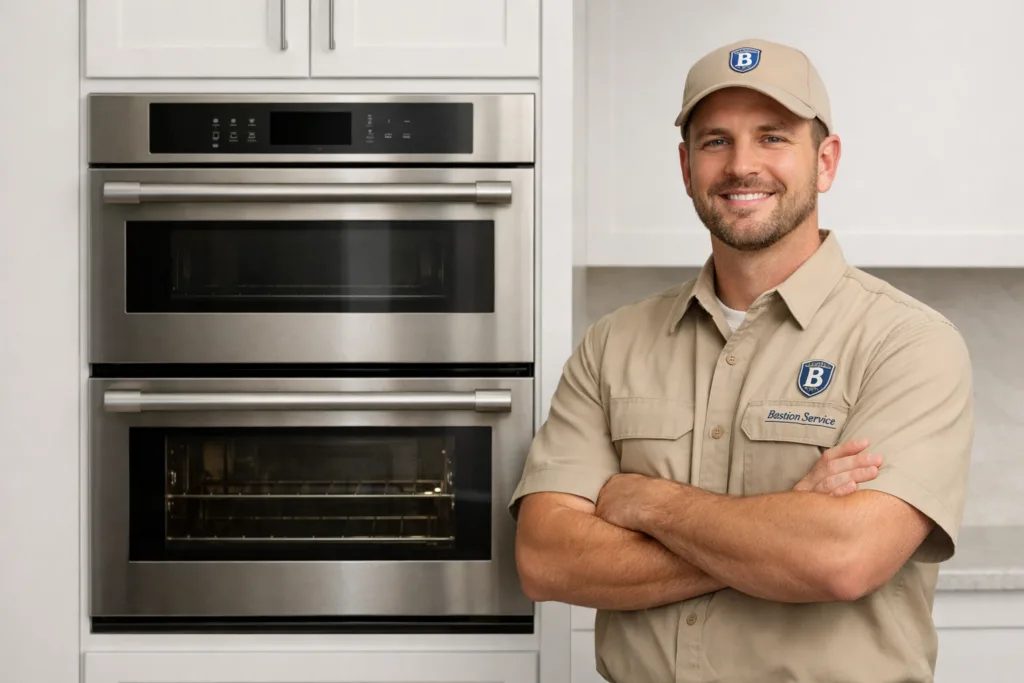
Oven problems rarely stay limited to one inconvenience. A slow preheat can turn into uneven baking, a temperature swing can become frequent overcooking, and an intermittent control issue can leave the appliance unusable right when you need it. With Monogram ovens, the best repair decisions usually come from matching the exact behavior of the appliance to the system most likely at fault.
Start with the symptom pattern
Two ovens can seem to have the same problem while needing very different repairs. One unit may say it is preheated but never actually reaches the selected temperature. Another may heat normally at first, then drift hotter as the cycle continues. In one case, the issue could be a weak heating component or igniter. In another, it may be a sensor reading problem, fan issue, or electronic control fault.
That is why symptom details matter. Homeowners in Santa Monica often find it helpful to note whether the problem happens during preheat, midway through cooking, only on certain modes, or only after the oven has been running for a while. Those details can shorten the path to the right repair.
Common Monogram oven issues and what they often suggest
Not heating at all
If the oven turns on but stays cold, the failure may involve the bake circuit, broil circuit, igniter on gas models, temperature safety components, or the main control. A completely non-heating oven can also be related to incoming power problems, especially when the display works but the heating system does not.
This is one of the most important symptoms to check properly because partial operation can be misleading. Lights, timers, and touch controls may still work even when the heating side of the appliance has failed.
Slow preheat
A Monogram oven that takes much longer than normal to preheat may still be producing heat, just not enough of it. Common causes include a weakening igniter, a bake element that is no longer performing at full output, a sensor that is reporting the wrong temperature, or a control that is not cycling the heat correctly.
Slow preheat often shows up before a full heating failure, so it is worth addressing early rather than waiting for the oven to stop working completely.
Uneven baking
If cookies brown on one side, casseroles finish around the edges but stay underdone in the center, or the same recipe starts giving inconsistent results, the oven may not be distributing or regulating heat correctly. Possible causes include a convection fan problem, sensor drift, weak heating performance, or a door seal that is allowing heat to escape.
When uneven baking repeats across several meals, it usually points to the appliance rather than cookware or recipe changes.
Temperature swings and overheating
An oven that suddenly runs too hot, burns food faster than expected, or cycles unpredictably can be frustrating and hard to trust. These symptoms often relate to the sensor, control board, or calibration problems. In some cases, the oven may overshoot temperature during preheat and fail to settle into a normal cooking range.
Overheating is more than a cooking issue. Continued use can place extra stress on internal parts and make the appliance less reliable over time.
Control panel or display problems
When buttons do not respond, settings change unexpectedly, or the display goes blank or flashes errors, the issue may be in the user interface, control board, wiring connections, or power supply to the appliance. Some control issues are constant, while others only appear after the oven has been on for a period of time.
Intermittent electronic symptoms are especially important to document because they can be harder to reproduce without a clear pattern.
Door latch, hinge, or closing issues
If the oven door will not close tightly, will not lock or unlock correctly, or seems misaligned, cooking performance and safety functions can both be affected. Heat loss from a poor seal can lead to long cook times and uneven results. A latch fault can also interfere with self-clean or prevent the oven from operating normally.
Forcing the door or continuing to use it when alignment is off can make the repair more involved.
What homeowners can check before scheduling repair
There are a few simple observations that can help narrow down the issue:
- Whether the problem affects bake, broil, convection, or all cooking modes
- Whether the oven is fully dead, partially responsive, or only failing during heat cycles
- Whether the temperature problem is consistent or comes and goes
- Whether an error code appears before shutdown or poor performance
- Whether the door closes flush and seals normally
It also helps to think about when the issue began. A sudden failure often points to a specific component giving out, while gradual changes such as slower preheat or creeping temperature inaccuracy can suggest a part that has been weakening over time.
Signs you should stop using the oven
Some symptoms should not be ignored. It is best to stop using the oven if it is overheating, tripping breakers, shutting off unexpectedly during use, showing repeated error codes, or failing to regulate temperature in a predictable way. These problems can affect both appliance condition and household safety.
For gas models, any persistent gas smell should be treated seriously. If you notice a strong gas odor, stop using the appliance and address the gas concern first before pursuing repair. If ignition is delayed or inconsistent without an active gas odor, the oven still needs service before regular use continues.
Repair or replacement: what usually makes sense
Many Monogram oven problems are worth repairing when the issue is isolated to a specific part such as an igniter, heating element, sensor, fan motor, latch component, or control-related part. If the oven has otherwise been reliable and the cavity, door, and major structure are still in good condition, repair is often the practical choice.
Replacement becomes a more serious consideration when there are multiple expensive failures at once, repeated electronic problems, or signs of broader wear that make future repairs more likely. For most homeowners in Santa Monica, the real question is not simply the age of the oven but whether the current problem appears targeted and correctable.
Why premium oven issues need a careful approach
Monogram ovens are designed with more advanced controls and performance features than many basic units. That means symptoms can overlap. A complaint that sounds like “not heating right” may involve more than one system, and replacing the first suspected part without testing can lead to wasted time and repeat visits.
Useful service means confirming what failed, checking related components that may have caused or contributed to the issue, and explaining whether the repair path makes sense for the condition of the appliance as a whole.
What to note before your service appointment
To make diagnosis faster, it helps to have a short list of observations ready:
- The exact symptom you notice first
- Whether the problem is constant or intermittent
- Any error codes shown on the display
- Whether the issue started suddenly or gradually
- Whether the oven fails on one setting or across multiple cooking modes
Even a few details can make a difference, especially when the appliance works inconsistently or only fails after reaching a certain temperature.
Choosing the next step for a Monogram oven in Santa Monica
When your oven is not heating properly, baking unevenly, preheating too slowly, or acting unpredictably, the smartest next move is to base the repair decision on the actual symptom pattern rather than guesswork. That helps you understand whether the issue is minor, whether continued use could make it worse, and whether repair is the sensible way to restore reliable cooking at home.