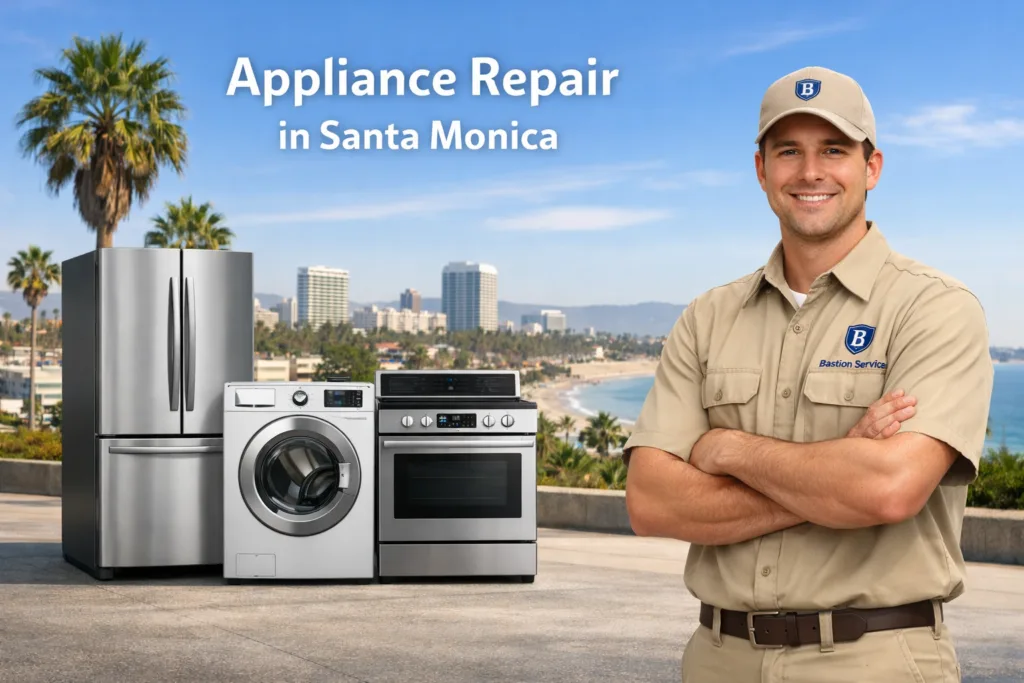
When a refrigerator warms up, a washer refuses to drain, or an oven stops heating evenly, the disruption reaches beyond the appliance itself. Meals get delayed, laundry piles up, and everyday routines become harder to manage. In a household setting, the most useful next step is figuring out what the symptom actually means before deciding whether to repair, stop using the unit, or start planning for replacement.
Why the symptom is not always the actual failure
Appliances often show the same outward problem for very different reasons. A dryer that is not heating could be dealing with restricted airflow, a failed heating part, a thermostat issue, or an electrical supply problem. A dishwasher that is not cleaning well may have low water fill, weak circulation, clogged spray arms, or drainage issues carrying over from the previous cycle. A refrigerator that seems too warm might have a fan problem, frost buildup, a defrost fault, or trouble in the cooling system.
That difference matters because guessing can lead to the wrong part, unnecessary expense, and more downtime. It also matters because some symptoms get worse if the appliance keeps running under strain. What starts as a single faulty component can sometimes create wear on other parts if the issue is ignored too long.
Common household appliance problems by category
Refrigerators and freezers
Cooling problems are among the most urgent issues in any home. If the fresh food section feels warm, freezer items are softening, or the unit runs constantly without reaching temperature, the cause may be more involved than a simple thermostat setting. Homeowners also notice warning signs such as clicking, buzzing, fan noise, water under the unit, heavy frost, or ice buildup where it does not belong.
These symptoms can point to blocked airflow, door seal problems, fan motor issues, defrost failures, drain clogs, or more serious cooling-system faults. Even when the refrigerator still works part of the time, performance can drop quickly. Food loss and excess strain on the system are common reasons not to wait too long once temperatures become inconsistent.
Washers and dryers
Laundry appliances tend to give advance warning. A washer may leave clothes too wet, stop mid-cycle, leak onto the floor, or shake hard during spin. Those issues may come from drain pump problems, suspension wear, door or lid lock faults, hose leaks, imbalance detection problems, or control issues. If the machine is banging loudly or moving more than usual, continued use can turn a manageable repair into damage affecting the tub, basket, or surrounding floor area.
Dryers often show trouble through long dry times, overheating, shutoffs before the cycle finishes, unusual noises, or a burning smell. In many cases, poor airflow is part of the problem, but heating components, sensors, support rollers, belts, and electrical issues can also be involved. A dryer that smells hot or scorched should be taken seriously, especially if the symptom is getting worse from one load to the next.
Dishwashers
Dishwasher problems are easy to overlook at first because the machine still appears to run. But standing water, cloudy dishes, poor rinsing, leaks at the door, humming without washing, or cycles that stop unexpectedly usually mean more than routine cleaning is needed. Possible causes include drain restrictions, pump issues, fill valve problems, latch faults, circulation problems, or electronic control failures.
Leaks deserve prompt attention. Even a small amount of water escaping repeatedly can affect flooring, cabinets, and the space beneath the unit. If dishes are consistently dirty after normal loading and detergent use, that is also a sign the machine may not be moving or draining water correctly.
Ovens, ranges, cooktops, and wall ovens
Cooking appliances often show performance issues before they fail completely. Slow preheating, uneven baking, a burner that clicks continuously, a gas burner that will not light, or an electric element that does not regulate heat correctly can all have different causes. Igniters, temperature sensors, switches, controls, wiring, and surface elements are all common suspects depending on the symptom.
Signs involving gas odor, repeated ignition failure, visible sparking, or breakers tripping should not be treated as routine inconvenience. Even when the appliance partly works, unreliable cooking equipment can affect both safety and daily use in the kitchen.
When waiting usually makes the problem worse
Some appliance issues stay relatively stable for a short time, but others tend to worsen quickly. It usually makes sense to stop delaying service when the appliance is no longer doing its main job properly or when the symptom involves water, heat, or electricity. Problems that often become more expensive with continued use include:
- Refrigerators that are not maintaining safe temperatures
- Washers that slam, grind, or leak during operation
- Dryers with a burning smell or unusually high heat
- Dishwashers leaking onto the floor or failing to drain
- Ovens and cooktops with ignition problems or unstable heat
Intermittent faults also deserve attention. If an appliance works one day and fails the next, or if controls flicker and cycles stop unpredictably, the issue may be electrical or control-related. Those problems can become harder to sort out after repeated resets and continued use.
Helpful observations before a service visit
Homeowners do not need to diagnose the appliance themselves, but a few simple observations can make the visit more efficient. It helps to note when the problem started, whether it is constant or intermittent, and what changed right before the issue appeared. Useful details often include:
- Any unusual sounds such as clicking, squealing, humming, or grinding
- Whether the unit stops at the same point in the cycle each time
- If leaks appear only during fill, drain, spin, or after the cycle ends
- Whether the problem affects every load or only certain settings
- Any recent power outage, breaker trip, moving of the appliance, or cleaning around it
For refrigeration, it is also helpful to know whether both compartments are affected or only one. For laundry equipment, noting load size and whether the issue happens with towels, bedding, or normal mixed loads can be useful. For ovens, comparing set temperature to actual cooking results gives a better picture than saying the appliance is simply “off.”
Repair or replace: what usually guides the decision
Not every appliance problem points in the same direction. Some repairs are straightforward and worthwhile, especially when the appliance is otherwise in good condition and the failure is limited to one area. In other cases, age, heavy wear, rust, repeat breakdowns, or multiple failing systems make replacement the more sensible long-term move.
For many Santa Monica households, the decision comes down to reliability as much as cost. If the repair solves the core problem and restores normal day-to-day use, keeping the existing appliance often makes sense. If the machine has become unpredictable and several symptoms are appearing at once, replacement may offer better value and less disruption over time.
A more practical way to think about appliance trouble at home
Most appliance problems start with a symptom, not an answer. The important thing is to separate minor maintenance issues from real mechanical, electrical, or control failures. Once the source of the trouble is identified, the next step becomes much easier: repair it, stop using it until it is safe to run, or move on from an appliance that is no longer worth the investment.
For homes in Santa Monica, that kind of straightforward evaluation is what helps turn a frustrating breakdown into a workable plan for getting the kitchen or laundry routine back on track.