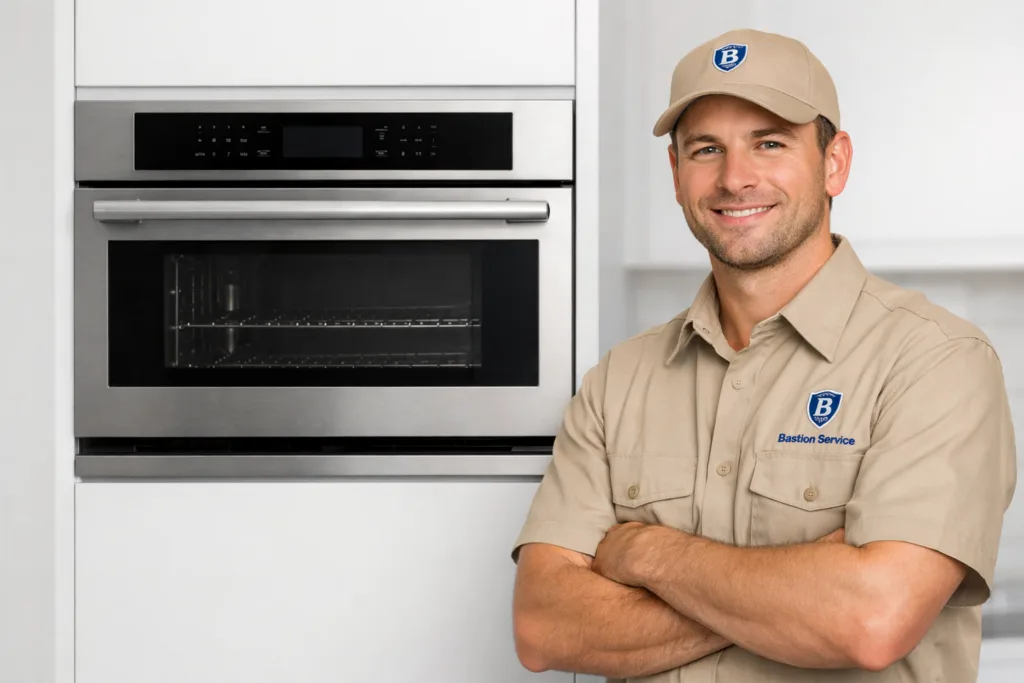
What often goes wrong with a JennAir wall oven

Built-in ovens can fail in ways that look similar at first but come from very different causes. A JennAir wall oven may power on normally and still have a heating problem, or it may appear to heat while missing its target temperature by enough to affect cooking results. That is why symptom-based testing matters before any repair decision is made.
In many Playa Vista homes, wall ovens are used for daily meals, batch cooking, and holiday baking, so small performance changes tend to show up quickly. Longer preheat times, temperature swings, and control glitches are usually early signs that a component is weakening rather than a one-time inconvenience.
Common symptoms and what they may mean
Not heating at all
If the display works but the oven cavity stays cold, possible causes include a failed bake element, a broil element problem, a temperature sensor fault, a relay or control failure, or an electrical issue affecting power to the heating circuit. On some models, the oven may seem to start a cycle but never produce enough heat to cook food safely.
Slow preheat
Slow preheat is one of the most common complaints with wall ovens. It can happen when one heating circuit is weak, when the sensor is reporting inaccurate temperatures, or when the control is not sending power correctly during preheat. Homeowners sometimes assume this is normal aging, but a noticeable change in preheat speed often points to a specific fault.
Uneven baking
When cookies brown more on one side, casseroles stay underdone in the center, or repeated recipes stop turning out the same way, the problem may involve temperature regulation, airflow, convection components on equipped models, or heat loss around the door. Uneven results are not always caused by the same failed part, which is why testing should follow the exact cooking pattern being reported.
Temperature swings or inaccurate readings
An oven that overshoots, drops heat too far, or seems much hotter or cooler than the set temperature may have sensor drift, calibration issues, or a control problem. Temperature complaints can be frustrating because the unit still appears to work, but cooking performance becomes unreliable from one cycle to the next.
Error codes, beeping, or control issues
JennAir wall ovens with electronic controls may show fault codes, freeze during setup, ignore keypad input, or reset unexpectedly. These symptoms can come from a failing interface, a communication problem between components, or an intermittent wiring issue. If the problem comes and goes, that does not usually mean it has resolved on its own.
Door lock or self-clean problems
If the door will not lock, stays locked, or the oven starts acting differently after a self-clean cycle, the issue may involve the latch assembly, switch feedback, or heat-stressed electronics. Because the lock system is tied to safety functions, forcing the door or repeatedly cycling power can make the situation worse.
Power loss during use
A shutdown during baking or broiling may point to a failing heating component, wiring damage, terminal trouble, or a control fault under load. If the breaker trips or the oven cuts out repeatedly, continued use should be avoided until the cause is identified.
Why the same symptom can have different causes
Wall oven problems are often misleading. For example, an oven that seems too cool may actually be heating with only part of its normal output. A unit that looks like it has a bad control board may instead have a sensor issue that is feeding incorrect information to the control. A door-lock complaint may start with the latch but also involve the control logic that monitors it.
This is why replacing parts based only on the most obvious symptom can lead to extra cost without fixing the problem. The better approach is to confirm which component has failed, whether related circuits are affected, and whether there is any sign of secondary damage from heat or electrical stress.
When to stop using the oven and schedule service
Some issues are inconvenient but manageable for a short time, while others call for immediate attention. It makes sense to stop using the oven and arrange service if you notice:
- No heat during bake or broil
- Preheat taking much longer than usual
- Food repeatedly coming out undercooked or overcooked at normal settings
- Error codes that return after a reset
- A door that will not lock or unlock properly
- Shutoff during operation
- A burning smell, sparking, or signs of overheating
- Breaker trips linked to oven use
Continuing to run a wall oven with unstable heat or electrical symptoms can turn a smaller repair into a larger one, especially if overheating affects nearby components.
Repair or replacement: what usually matters most
For homeowners in Playa Vista, the choice between repair and replacement usually comes down to the age of the oven, the condition of the overall appliance, the number of systems involved, and the cost of the needed parts. If the issue is limited to a sensor, element, latch component, or another isolated failure, repair is often the more practical option.
Replacement starts to make more sense when the wall oven has recurring electronic problems, multiple active faults, or signs of broader wear that reduce confidence in future reliability. Built-in appliances also add fit and installation considerations, so replacement is not always as simple as swapping one unit for another.
What homeowners can note before a service visit
A few details can help narrow the diagnosis faster. Try to note whether the problem happens during preheat, later in the cooking cycle, only in bake mode, only in broil mode, or after self-clean. It also helps to pay attention to whether the display remains normal, whether the oven reaches any heat at all, and whether the issue is consistent or intermittent.
If an error code appears, write it down exactly. If the oven shuts off, notice whether it happens at a similar point in the cycle each time. These details can help connect the symptom to the right system instead of treating every heating complaint as the same problem.
A practical service approach for built-in JennAir ovens
With JennAir Wall Oven Repair in Playa Vista, the most useful outcome is a clear diagnosis and a repair path that matches the actual symptom pattern. That means verifying the complaint, checking the heating and control systems tied to that complaint, and explaining whether the repair is likely to restore normal operation or whether the oven is reaching a point where replacement deserves consideration.
Because a wall oven is integrated into the kitchen and expected to work consistently, homeowners usually want more than a guess at the likely part. They want to know what failed, whether the issue is likely to worsen, and whether moving forward with repair is the sensible choice for the condition of the appliance.