
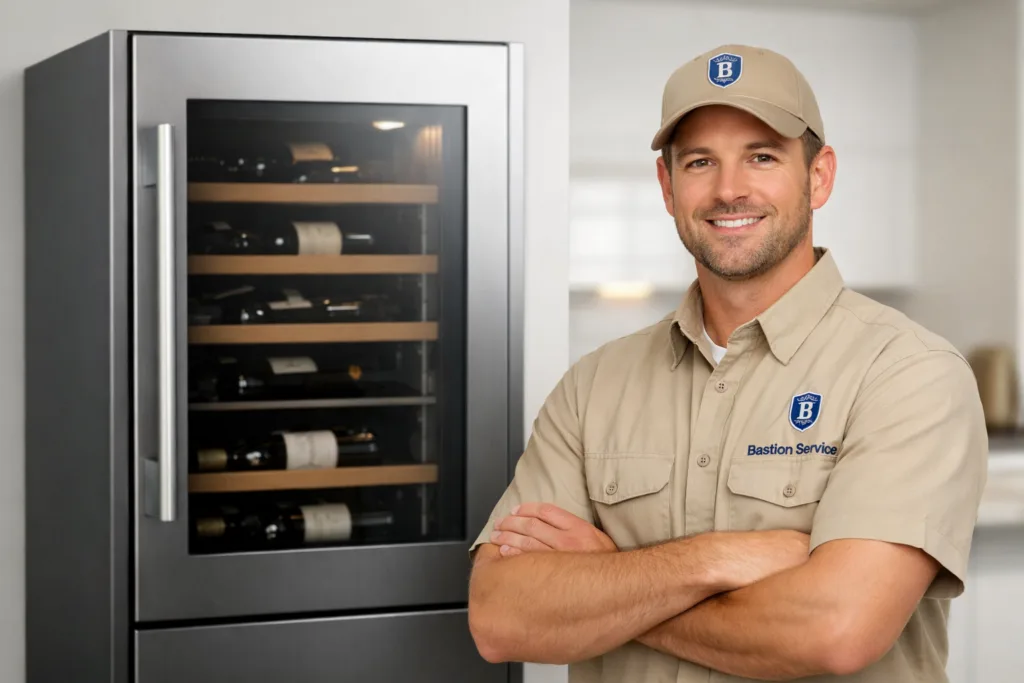




A Fisher & Paykel wine cooler that runs warm, cycles too long, or stores bottles at uneven temperatures can undermine the whole purpose of dedicated wine storage. The symptom on the surface is not always the real cause underneath. A warm cabinet, for example, might come from weak airflow, a sealing problem, frost buildup, sensor error, or a more serious cooling failure. Sorting that out early helps prevent unnecessary part replacement and avoids added strain on the appliance.
Related Fisher & Paykel and wine cooler service paths in Hermosa Beach include Fisher & Paykel Appliance Repair in Hermosa Beach, Wine Cooler Repair in Hermosa Beach, and Fisher & Paykel Refrigerator Repair in Hermosa Beach.
What homeowners in Hermosa Beach often notice first
Wine cooler problems rarely look identical from one household to another. Some units gradually drift away from the set temperature, while others start beeping, collect moisture, or develop a new sound overnight. In Hermosa Beach homes, the most useful service approach is to evaluate the full pattern: how long the issue has been happening, whether the display matches actual cabinet conditions, and whether the problem appears constantly or only during certain cycles.
Small changes can be meaningful. A door that no longer seals tightly, a fan that has slowed down, or a sensor that is reading incorrectly may all show up first as inconsistent storage rather than a complete cooling loss. That is why symptom-based troubleshooting matters with premium refrigeration appliances.
Common Fisher & Paykel wine cooler symptoms and what they may mean
Wine cooler not cooling properly
If the cabinet is warmer than expected, the cause may be as simple as restricted airflow or as complex as a sealed-system issue. Common possibilities include:
- Door gasket wear or poor door alignment allowing warm air inside
- Evaporator fan problems reducing cold-air circulation
- Temperature sensor drift causing inaccurate control response
- Frost buildup behind interior panels interfering with airflow
- Control board faults affecting cooling cycles
- Compressor or refrigerant-related performance loss
If bottles feel only slightly cool or the cabinet is close to room temperature, the problem should be checked sooner rather than later. Running the unit continuously without reaching target temperature can add wear to the cooling system.
Temperature swings from one day to the next
Some wine coolers still cool, but not consistently. You may notice that one shelf feels colder than another, or that the unit recovers slowly after the door is opened. This can point to airflow imbalance, sensor issues, intermittent fan operation, or controls that are not responding correctly to cabinet conditions. In a dual-zone or tightly controlled storage setup, even moderate swings can matter.
Bottles getting too cold or partially freezing
Overcooling is usually a control problem, not a sign that the appliance is working extra well. If bottles are colder than the set point, possible causes include a faulty thermistor, control board malfunction, or a circulation issue that leaves one section of the cabinet much colder than intended. This should be corrected before continued use affects bottle condition or creates unnecessary frost.
Condensation, water, or damp shelves
Moisture inside a wine cooler often means warm air is entering the cabinet or water is not draining as intended. Homeowners may see fogging on glass, droplets on shelves, damp labels, or water gathering near the bottom. Likely causes can include:
- A worn or loose door gasket
- Door closure problems
- Drain blockage or defrost drainage issues
- Repeated warm-air intrusion leading to excess condensation
- Defrost faults that leave moisture where it should not remain
If moisture keeps returning after the interior is dried, it usually indicates an underlying mechanical or sealing issue rather than a one-time event.
Buzzing, clicking, rattling, or fan noise
Not every sound points to a major failure, but a change in sound profile is worth attention. A rattle may come from cabinet vibration or a loose component. A clicking sound may be tied to starting components or control activity. A scraping or uneven fan noise can suggest obstruction, ice contact, or fan motor wear. If the noise appears together with poor cooling, longer run times, or new condensation, the issue is more likely functional rather than cosmetic.
Display problems, alarms, or unresponsive controls
When the display flashes, buttons stop responding, or the unit beeps without an obvious reason, the cause may involve the interface, wiring, sensor input, or an actual temperature condition the appliance is detecting. These issues can be misleading because they may look electronic while the root problem is cooling-related, or the reverse. A proper inspection should separate a control fault from a temperature-management fault.
Signs the problem may be getting worse
Some symptoms suggest a wine cooler is moving beyond a minor annoyance and into a repair situation that should not be postponed. Watch for these patterns:
- The unit runs almost nonstop
- The displayed temperature no longer matches actual cabinet conditions
- Condensation returns soon after cleaning and drying
- Cooling performance drops after a power interruption and does not recover
- New noises appear along with weak cooling
- The appliance repeatedly enters alarm mode
When these signs are ignored, a small part failure can sometimes lead to heavier system strain, more frost accumulation, or additional electrical and mechanical wear.
When repair is usually worth considering
Repair often makes sense when the cabinet itself is in good condition and the issue is tied to components such as fans, sensors, switches, controls, or door-sealing performance. These are the kinds of problems that can often be evaluated directly and compared against the age and overall condition of the appliance.
Repair decisions become less favorable when there is evidence of a major sealed-system problem, repeated unresolved electronic failure, or broad age-related wear affecting multiple functions at once. For a built-in or premium wine cooler, the right choice depends less on one symptom alone and more on whether the fix is likely to restore stable temperature control without leading to repeated follow-up issues.
What a thorough service visit should evaluate
A helpful residential appointment should do more than confirm that the unit feels warm. It should assess how the wine cooler is actually operating and where the failure is occurring. That typically includes:
- Checking actual cabinet temperature against the display reading
- Inspecting door sealing and alignment
- Reviewing airflow and fan operation
- Looking for frost patterns or hidden ice buildup
- Checking moisture and drainage behavior
- Testing sensors and control response
- Evaluating whether cooling-system performance appears normal
For homeowners in Hermosa Beach, that kind of focused inspection helps determine whether the issue is relatively contained or part of a larger refrigeration problem.
Simple steps to take before service
Before scheduling repair, a few basic observations can help make the symptom pattern clearer:
- Confirm the door is fully closing and not being blocked by bottle placement
- Note whether the interior light turns off as expected when the door closes
- Check for visible condensation, water, or frost
- Listen for whether the fan or compressor sounds different than usual
- Compare the set temperature with how the bottles actually feel
- Pay attention to whether the problem began after a power outage or reset
These observations do not replace diagnosis, but they can make the service process faster and more accurate.
Choosing service for a household wine cooler
Wine cooler repair is most useful when it stays centered on the exact symptom pattern rather than assumptions. A unit that is too warm, too cold, damp inside, or suddenly noisy may still be repairable, but only after the underlying cause is identified. Bastion Service helps Hermosa Beach homeowners evaluate Fisher & Paykel wine cooler problems based on appliance condition, performance symptoms, and the most sensible repair path.


