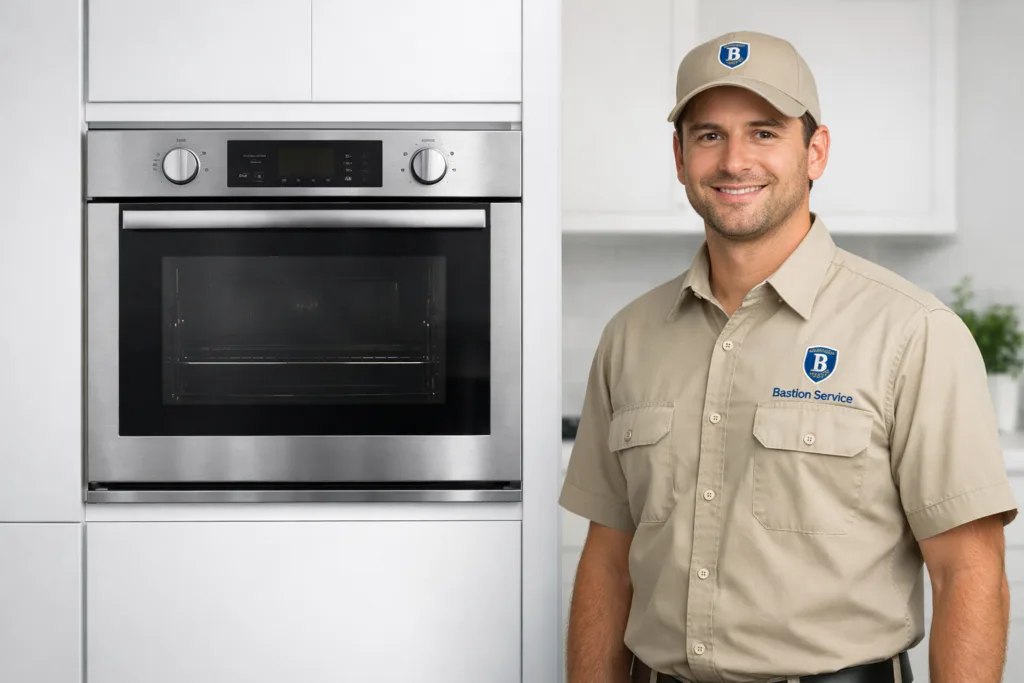
Wall oven problems rarely stay minor for long. A unit that starts preheating slowly, baking unevenly, or dropping power during use can shift from inconvenient to unusable with very little warning. With Bosch models, the same symptom can come from more than one failure point, so testing the oven matters more than guessing at parts.
Common Bosch wall oven symptoms and what they can mean
Not heating at all
If the display comes on but the oven cavity stays cold, the issue may involve a failed bake element, broil element, temperature sensor, relay, control board, or incoming power problem. On some wall ovens, partial power can create confusing behavior where lights and controls work but the oven will not heat correctly.
For homeowners in Mar Vista, this usually shows up as dinner running late, frozen food not finishing, or recipes taking far longer than normal. If the oven is completely cold after several minutes of preheat, service is usually the right next step.
Slow preheating
Slow preheat is often one of the earliest signs that a Bosch wall oven needs attention. A weak heating circuit, sensor issue, or control problem can make the oven eventually reach temperature, but only after much longer wait times.
This matters because slow preheat is not just a timing issue. It can also affect cooking results, especially for baking, roasting, and dishes that depend on a stable oven temperature from the start.
Uneven baking or temperature swings
If one tray browns faster than another, the top cooks too quickly, or the center stays underdone, the oven may be struggling to regulate heat accurately. Possible causes include sensor drift, convection fan trouble, gasket wear, or an electronic control issue.
When temperature swings become more noticeable, people often compensate by changing rack position, extending cook times, or lowering recipe temperatures. That can work temporarily, but it usually points to a developing fault rather than a recipe problem.
Control panel or display problems
An unresponsive keypad, flickering display, blank screen, or recurring error code can indicate a communication fault, failing control, sensor problem, or power interruption inside the unit. Some control issues appear intermittently at first, which makes them easy to dismiss until the oven stops responding entirely.
If settings change unexpectedly or the panel only works part of the time, it is best not to assume a reset solved it. Electronic faults often return once the oven heats up again.
Door not closing, locking, or unlocking properly
A misaligned door or worn gasket can let heat escape and make the oven work harder to maintain temperature. If the door lock stays engaged after a self-clean cycle, the problem may involve the latch assembly, switch, or control system.
Even when the oven still heats, a door problem can lead to longer cook times, poor temperature stability, and added wear on other components.
Shutting off during use or tripping the breaker
If the wall oven loses power mid-cycle, trips the breaker, or shuts down once it gets hot, stop using it until the cause is identified. That kind of symptom can point to a shorted component, damaged wiring, terminal issue, or failing heating circuit.
Repeatedly resetting the breaker is not a repair. It can allow the problem to worsen and may increase the chance of damage inside the appliance.
Why symptom-based diagnosis matters
Bosch wall ovens are built around sensors, safety systems, electronic controls, and tightly coordinated heating components. Because of that, a single complaint like “it is not heating right” does not automatically identify the failed part.
For example, uneven baking might come from a weak element, but it can also come from inaccurate temperature sensing or poor airflow. A door that seems loose may be causing heat loss, but the real complaint may look like slow preheat. Good diagnosis helps separate the visible symptom from the actual source of failure.
Signs the problem is getting worse
- Preheat times keep getting longer week after week
- The oven reaches temperature inconsistently
- Recipes that used to work now come out overcooked or undercooked
- Error codes appear more often
- The display cuts in and out during cooking
- The oven stops working after it has been on for a while
- The breaker trips only when bake or broil is active
These patterns usually mean the issue is no longer isolated to a one-time glitch. If the oven still operates but performance is slipping, scheduling service earlier may help prevent a more disruptive failure.
When continued use is not a good idea
Some wall oven problems are mostly performance issues, while others raise a safety concern. Avoid continued use if the unit smells like hot wiring, trips the breaker, shuts off unpredictably, locks unexpectedly, or shows signs of overheating around the control area or door.
If the oven simply takes too long to heat or bakes unevenly, it may still be usable in the short term, but that does not mean the fault is harmless. Ongoing strain on heating or control components can turn a limited repair into a larger one.
Repair versus replacement for a Bosch wall oven
Repair is often the better choice when the problem is isolated to a heating element, sensor, latch assembly, fan motor, or a defined control-related part and the rest of the oven is in solid condition. That is especially true when the unit has otherwise been reliable and fits the kitchen well.
Replacement becomes more worth considering when there are multiple major failures, recurring electronic issues, signs of extensive internal wear, or a repair estimate that approaches the value of a new unit. Age matters, but condition matters just as much. A well-kept wall oven with one confirmed failure is a very different situation from an older unit with several active problems.
In Mar Vista homes, the smartest decision usually comes down to three factors:
- the oven’s overall condition
- the confirmed cause of the problem
- the cost of repair compared with replacement
What to expect from a service visit
A useful service call should do more than name a symptom. It should determine what failed, whether the oven is safe to keep using, and whether the recommended repair makes sense for the condition of the appliance.
That is especially important with Bosch wall ovens because electronic and heating complaints often overlap. A practical repair plan based on the exact symptom pattern helps homeowners make a better choice instead of replacing parts by trial and error.
Helpful next steps for Mar Vista homeowners
If your Bosch wall oven is no longer heating correctly, takes too long to preheat, bakes inconsistently, or has control issues that keep returning, it is usually time to have the fault identified before the problem spreads. Early diagnosis can clarify whether the repair is straightforward or whether the oven is reaching the point where replacement should be considered.
For many households in Mar Vista, the goal is simple: restore normal cooking performance without wasting money on unnecessary parts or delays. Getting the symptom matched to the actual failure is the best place to start.