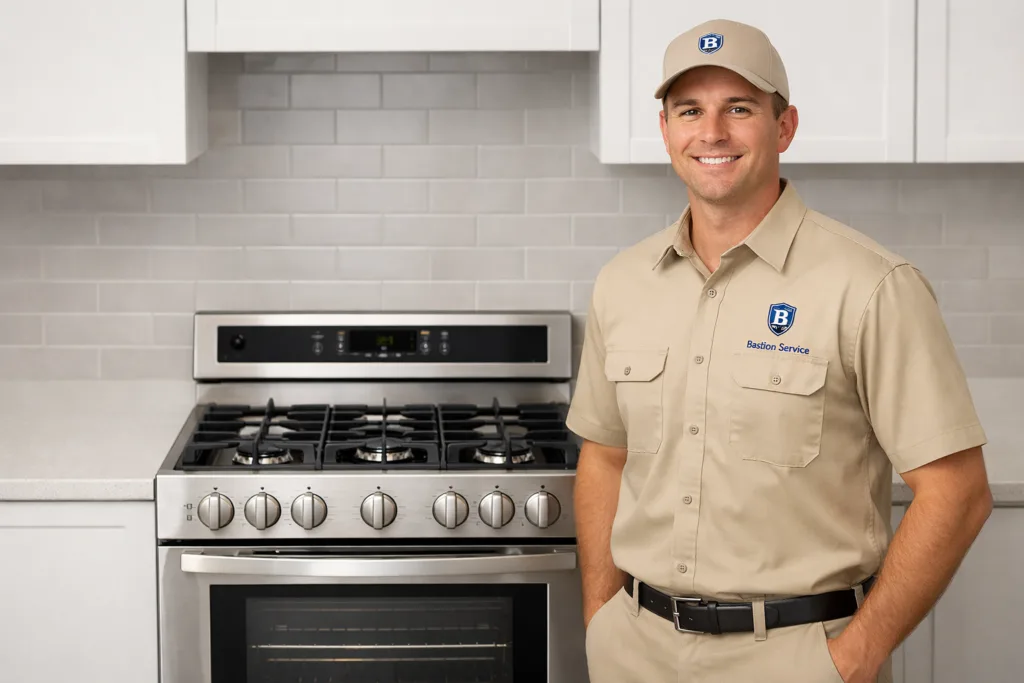
Range problems rarely stay minor for long. A burner that clicks every time you cook, an oven that runs cool, or controls that respond inconsistently can quickly turn routine meals into trial and error. With Blomberg models, the most useful way to approach the issue is by looking closely at the symptom pattern rather than assuming one failed part is always to blame.
Why symptom patterns matter with Blomberg ranges
A range combines cooktop heating, oven heating, ignition, temperature sensing, electronic controls, and safety-related components in one appliance. Because those systems overlap, the same complaint can have several possible causes. An oven that will not preheat, for example, may point to an igniter, heating element, sensor, relay, or wiring problem depending on the model and how the failure appears.
That is why the details matter. If only one burner is affected, the repair path is usually different than when both the cooktop and oven act up at the same time. If the display works but heat does not respond correctly, the control side of the appliance may need closer attention. In El Segundo homes, this symptom-first approach helps avoid unnecessary parts replacement and gives homeowners a better sense of whether repair is practical.
Common Blomberg range issues and what they often suggest
Oven not heating properly
If the oven stays cold, heats slowly, or never reaches the selected temperature, the problem may involve the igniter on a gas range or a heating element on an electric model. It can also come from a temperature sensor that is reading incorrectly, a control fault, or a power-related issue.
A weak igniter is especially common on gas ovens because it may glow but still fail to draw enough current to open the gas valve correctly. On electric ranges, partial heating can happen when one element fails but the appliance still appears to operate normally from the control panel.
Burner clicks repeatedly or will not ignite
Persistent clicking usually points to the ignition side of the cooktop. Moisture after cleaning, food debris around the burner head, a misaligned cap, a failing spark switch, or a spark module issue can all cause the burner to keep trying to light. If the clicking continues after the burner is dry and properly assembled, the problem should be checked before regular use continues.
When a burner lights only occasionally, that inconsistency is important. Intermittent ignition often means the underlying problem is getting worse, not better.
Uneven baking or temperature swings
If one tray browns faster than another, recipes suddenly need extra time, or results vary from one use to the next, the range may not be regulating heat accurately. Possible causes include a drifting sensor, weak heating cycles, a failing relay, a worn door gasket, or an oven that is no longer calibrating temperature correctly.
Homeowners often notice this problem gradually. It may begin as occasional undercooked centers or overbrowned edges before becoming obvious in everyday cooking.
Burner heats too high, too low, or not at all
A surface burner that ignores setting changes or seems stuck on one level may have a switch, element, or control issue. On some models, the burner may cycle oddly, overheat cookware, or fail to maintain a low simmer. When the problem repeats on the same burner, it usually indicates more than normal variation in heating.
If a burner gets excessively hot or does not respond to the knob setting, it is best to stop using that burner until the cause is identified.
Display or control problems
Some Blomberg range problems show up as flashing displays, unresponsive buttons, error codes, or settings that do not match actual oven behavior. These issues can be tied to the control board, keypad, power supply, or communication between components.
Control-related faults are especially frustrating because the appliance may appear functional at first glance while heating performance remains unreliable underneath.
Signs the problem may be getting worse
Not every issue requires emergency action, but certain changes suggest the range should be serviced sooner rather than later:
- Preheat times are steadily getting longer
- The same burner fails more often each week
- Oven temperatures are becoming harder to predict
- Clicking continues after cleaning and drying the cooktop
- The appliance trips power or resets unexpectedly
- Heat output no longer matches the selected setting
These patterns matter because ongoing use can sometimes add strain to related parts. A single failed component can turn into a wider repair if the appliance keeps operating under abnormal conditions.
When to stop using the range
Some range problems are inconvenient but manageable for a short time. Others deserve an immediate pause in use. Stop using the appliance if you notice overheating, electrical arcing, repeated breaker trips, controls that do not regulate heat, or ignition behavior that seems unsafe.
Gas concerns require extra caution. If there is a strong or persistent gas smell, do not continue troubleshooting the appliance yourself. Leave the area if needed and contact the gas utility or emergency service first. If there is clicking without a gas smell, the issue may still be limited to ignition components, but it should be diagnosed before the range goes back into normal service.
What to check before scheduling service
A few basic observations can help narrow the issue down. You do not need to disassemble anything, but it helps to note what the appliance is doing and when it happens.
- Does the issue affect the oven, one burner, or the whole range?
- Is the problem constant or intermittent?
- Did it start after cleaning, self-cleaning, or a power interruption?
- Are there any error codes or unusual display behavior?
- Do you hear repeated clicking, delayed ignition, or unusual relay sounds?
- Does the oven eventually heat, or does it stay far below the set temperature?
These details often make it easier to separate an ignition problem from a heating problem or a control problem from a sensor issue.
Repair or replace?
Many Blomberg range issues are still worth repairing when the appliance is otherwise in solid condition. Single-component failures involving igniters, elements, sensors, switches, and certain control-related parts are often more straightforward than homeowners expect.
Replacement becomes a stronger consideration when multiple systems are failing at once, the unit has a longer history of recurring problems, or the cost of restoring dependable performance starts to approach the value of the appliance. For many households in El Segundo, the real question is not just whether the range can be repaired, but whether it can return to reliable daily use without repeated interruptions.
Residential service focused on everyday cooking problems
In a home kitchen, range problems are less about technical labels and more about whether dinner can be made without guessing, restarting burners, or adjusting recipes to compensate for bad heat control. That is why the best service approach stays centered on how the appliance is failing in real use: weak ignition, unstable temperature, burner control trouble, or electronic issues that affect normal cooking.
When those symptoms are identified accurately, homeowners can make a clearer repair decision based on appliance condition, likely parts involved, and whether the fix supports consistent day-to-day performance.