
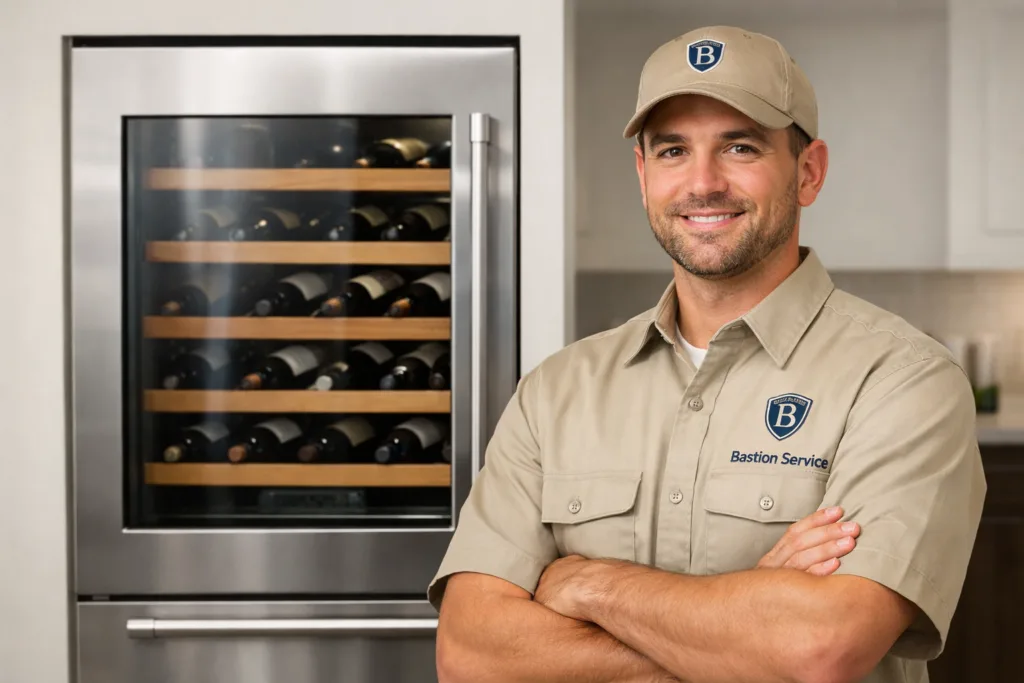




Temperature problems usually point to more than one possible cause
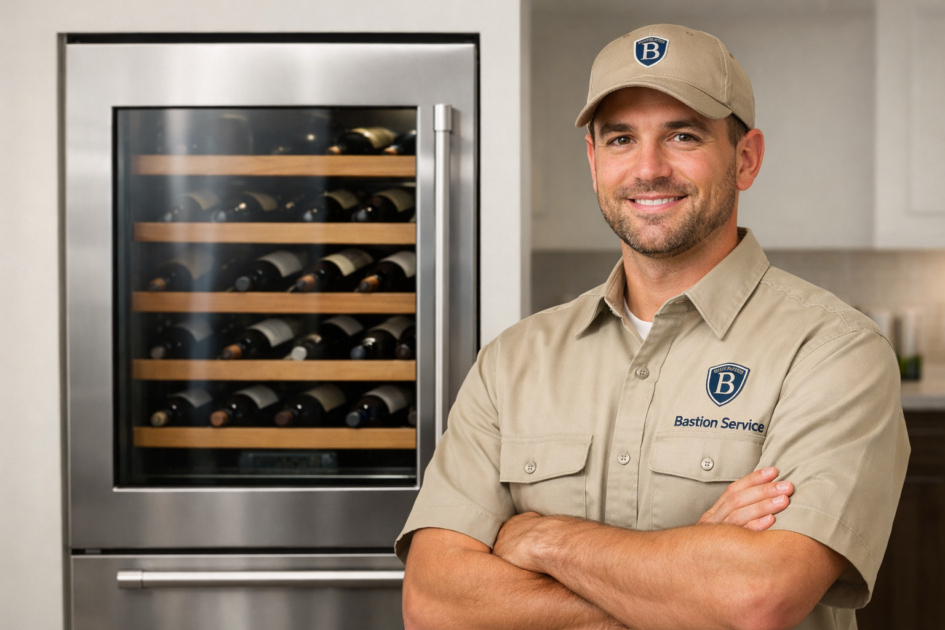
A wine cooler that runs warm, cools unevenly, or swings above and below the set point needs more than a quick guess. On Viking units, the same symptom can come from restricted airflow, a dirty condenser area, a fan problem, a sensor issue, a control fault, poor door sealing, or a more serious sealed-system failure. Getting the cause right matters because the repair path is very different from one issue to the next.
Related Viking and wine cooler service paths in Cheviot Hills include Viking Appliance Repair in Cheviot Hills, Wine Cooler Repair in Cheviot Hills, and Viking Refrigerator Repair in Cheviot Hills.
In many Cheviot Hills homes, these appliances are built into cabinetry or installed in tight spaces where ventilation and door alignment affect performance. That makes symptom history especially useful. Whether the problem appeared suddenly, worsened over time, or shows up only during certain cycles can help narrow the diagnosis and avoid replacing parts that are not actually at fault.
Common Viking wine cooler symptoms and what they may mean
Not cooling enough
If bottles feel warmer than expected or the cabinet never reaches the selected temperature, the issue may involve weak airflow, a failing evaporator fan, sensor drift, condenser buildup, or compressor-related trouble. Sometimes the unit appears to run normally but cannot remove heat effectively. A cooler that is always a little warm should not be ignored, because long run times can add stress to other components.
Too cold or partially freezing
Overcooling is often tied to a thermostat, thermistor, or control issue. Some homeowners first notice it only on one shelf or in one zone, which can make the problem seem minor. In reality, a wine cooler that drops below the intended range is no longer storing wine properly and should be checked before the symptom becomes constant.
Condensation on the glass, shelves, or door area
Moisture can indicate a door gasket problem, frequent warm-air intrusion, poor cabinet ventilation, or an internal temperature-management issue. Excess condensation is not just cosmetic. It can signal that the appliance is struggling to regulate humidity and temperature, and it may eventually lead to dripping, odor, or frost buildup.
Water inside or underneath the unit
Pooling water may be caused by a blocked drain path, frost that melts during off cycles, or a sealing issue that allows too much moisture into the cabinet. With built-in wine coolers, even a small leak matters because hidden moisture can affect nearby woodwork, flooring, and trim.
New buzzing, rattling, scraping, or clicking sounds
Noise changes often tell you more than the exact sound itself. A scraping noise may point to a fan blade contacting ice or a housing. Buzzing can come from vibration, compressor strain, or a mounting issue. Clicking may be tied to starting components or normal cycling, depending on when it occurs. If the sound is new, louder, or more frequent, it is worth having it checked before the unit stops cooling altogether.
Display, controls, or lights acting erratically
If the display is blank, the controls stop responding, settings reset, or interior lights behave inconsistently, the problem may be electrical or control-related. Even when the cabinet still cools somewhat, these symptoms can interfere with proper cycling and temperature stability.
Why diagnosis matters on built-in Viking wine coolers
Viking wine coolers use model-specific components and control logic, so a symptom-based parts swap can get expensive fast. A warm cabinet does not automatically mean compressor failure. Condensation does not always mean the drain is blocked. Fan noise does not always mean the fan motor itself is the only issue. Good service separates airflow faults from control faults and identifies whether the problem is isolated or part of a larger cooling failure.
Installation conditions also matter. In a Cheviot Hills kitchen, bar, or entertainment area, the surrounding cabinetry may limit access and affect how heat is released from the unit. Door swing, leveling, ventilation clearances, and gasket contact can all influence performance, especially when a wine cooler has been gradually losing stability over time.
Signs you should schedule service sooner rather than later
- The cabinet temperature is drifting away from the setting.
- The unit runs almost constantly or seems to short cycle.
- You notice water, heavy condensation, or frost.
- The display is inaccurate or unresponsive.
- The cooler makes a new mechanical or fan-related noise.
- One section stays cooler or warmer than the rest.
- The problem comes and goes but keeps returning.
Intermittent symptoms are especially important. A cooler that works normally one day and struggles the next often points to a control, sensor, fan, or start-related issue that can worsen without much warning.
When continued use can make the problem worse
Some wine cooler issues become more expensive if the appliance is left to struggle. A weak fan can reduce circulation and create hot spots. A leaking gasket can force longer run times. A control problem can cause overcooling, icing, and repeated stress on the system. If the unit is warming noticeably between cycles, building moisture, or making harsh sounds, relying on it for storage may risk both the appliance and the wine inside.
Repair or replacement depends on the type of failure
Many Viking wine cooler problems are repairable, particularly when the fault involves sensors, controls, fans, switches, lighting, door seals, or drainage components. Replacement usually becomes part of the conversation when there is a major sealed-system failure, multiple expensive issues at once, or significant age-related wear that makes the overall repair less worthwhile.
The most useful way to think about the decision is to look at three things together: the exact failure, the condition of the appliance as a whole, and whether the proposed repair solves the root cause rather than just the symptom. For households in Cheviot Hills, that usually leads to a much more confident decision than replacing a unit based on guesswork.
What to note before a service visit
A few observations can make troubleshooting faster and more accurate:
- Whether the cabinet is warm throughout or only in certain areas
- Whether the problem started suddenly or developed gradually
- Whether the unit runs nonstop, shuts off too quickly, or clicks repeatedly
- Whether moisture appears inside the cabinet, on the door, or underneath the unit
- Whether the display matches the actual temperature behavior
- Whether the noise happens during startup, while running, or at shutoff
These details help connect the symptom pattern to the likely system involved, whether that is airflow, temperature sensing, drainage, door sealing, or cooling performance.
Focused help for Viking wine cooler issues in Cheviot Hills
When a Viking wine cooler stops protecting a collection the way it should, the goal is to identify the reason quickly and choose the repair that makes sense for the home. That means looking beyond the obvious symptom, checking how the unit is installed and behaving, and determining whether the issue is minor, developing, or major enough to affect long-term reliability.


