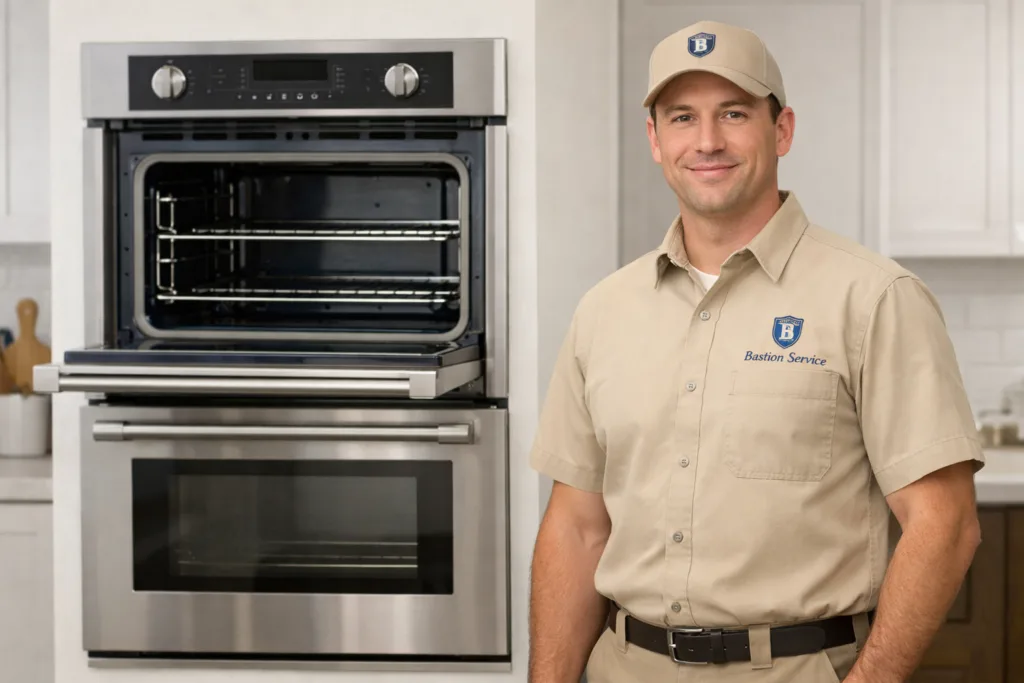
A Thermador oven that will not heat, cooks unevenly, or stops mid-cycle can disrupt dinner plans fast. In Hermosa Beach homes, the best next step is to identify the exact failure before deciding on a repair. Similar symptoms can come from very different causes, including a weak igniter, temperature sensor problem, heating element failure, control issue, fan problem, or damaged wiring.
Start with the way the oven is failing
Useful oven repair begins with the symptom pattern, not guesswork. On Thermador models, the details matter: whether the oven stays completely cold, heats too slowly, overshoots the set temperature, works on broil but not bake, or fails only during longer cooking cycles. Those differences help narrow down whether the problem is in the ignition system, heating circuit, sensor feedback, control board, or another component.
That matters because replacing the wrong part can waste time and money while leaving the original issue unresolved. A symptom-based diagnosis also helps show whether the repair is likely to be straightforward or whether the oven is showing signs of broader wear.
Oven not heating or not reaching the set temperature
If the display powers on but the oven cavity does not heat properly, several faults are possible. On gas Thermador ovens, a weak igniter is a common reason the burner will not light reliably or takes too long to ignite. On electric models, a failed bake element, damaged broil element, relay problem, or sensor issue may prevent normal heating.
Common signs include:
- Preheat taking much longer than usual
- The oven appearing to run without actually getting hot enough
- Food coming out undercooked even after normal cook times
- Temperature dropping well below the selected setting
- Broil working while bake does not, or the reverse
When these symptoms show up consistently, repeated test cycles usually do not solve anything. They often add strain to already failing components.
Uneven baking, hot spots, or inconsistent cooking results
Some Thermador ovens still heat, but not evenly. Homeowners may notice that one side browns faster, one rack cooks differently from another, or familiar recipes suddenly need extra time. In convection models, this can point to a fan or airflow problem. In other cases, the oven may be cycling incorrectly because of a faulty sensor, calibration issue, or partial heating failure.
These problems can seem minor at first, but they usually become more noticeable over time. If you are rotating trays more than usual, seeing repeated burning on one side, or getting unpredictable results from the same settings, the issue is likely beyond normal temperature variation.
Slow preheat and temperature swings
Slow preheat is one of the most common complaints with residential ovens. In a Thermador unit, it may be related to a weakening igniter, a struggling element, inaccurate sensor readings, or a control that is not cycling heat correctly. Temperature swings can be just as frustrating, especially when the oven gets too hot, then cools off too much before reheating.
Watch for patterns such as:
- Preheat seeming to finish before the oven is actually hot
- Large differences between the set temperature and cooking performance
- Food browning too fast on the outside but staying underdone inside
- Recipes requiring constant time and temperature adjustments
When an oven cannot hold a stable range, it becomes difficult to trust for baking, roasting, or longer cook cycles.
Oven shuts off during use or shows control problems
An oven that starts normally but shuts off mid-cycle often has a deeper electrical or control-related problem. Depending on the model and the exact behavior, the cause may involve the control board, cooling fan, door lock assembly, wiring, or temperature protection system.
Symptoms that deserve prompt attention include:
- The oven turning off before cooking is complete
- Error codes appearing on the display
- The control panel freezing or not responding
- The door staying locked unexpectedly
- The unit tripping power during operation
Intermittent problems are especially important to document because they often point to a component that is failing under heat or after the oven has been running for a while.
When continued use can make the issue worse
Not every oven problem is urgent, but some should not be ignored. If the oven is struggling to ignite, overheating, cycling erratically, or shutting down unpredictably, continued use can lead to added wear on related parts. Repeated failed preheat attempts may overstress ignition and heating components. Unstable temperature control can also affect sensors, boards, and internal wiring over time.
Stop using the appliance and arrange service if you notice:
- A persistent gas smell
- Visible sparking
- A burning electrical odor
- Breaker trips tied to oven use
- Smoke or signs of overheating from the control area
Repair or replace: what usually makes sense
Many Thermador ovens are worth repairing when the fault is limited to a serviceable part and the rest of the appliance is in solid condition. That is often true for issues involving igniters, elements, sensors, door components, or certain fan-related failures. Repair becomes a less attractive option when the oven has multiple major problems at once, severe control failure, recurring electrical issues, or age-related wear affecting several systems.
A sensible decision usually comes down to a few questions:
- Is the problem isolated or are several functions failing?
- Is the oven otherwise performing well for daily use?
- Are the required parts still practical to source?
- Does the expected repair cost make sense compared with replacement?
The answer is rarely based on age alone. Condition, symptom history, and the exact failed component matter more.
What to note before scheduling Thermador oven service
A few observations can make troubleshooting much more efficient. Before service, it helps to know whether the problem affects bake, broil, or both, whether preheat ever completes, whether the issue happens every time or only occasionally, and whether any fault code appears. If the convection fan sounds unusual, the door does not lock or unlock normally, or the temperature seems consistently off by a similar amount, those details are useful too.
For homeowners in Hermosa Beach, this kind of symptom tracking often makes the difference between a broad parts guess and a focused repair plan. It also helps identify whether the oven is still safe to use while waiting for service.
Common signs your Thermador oven likely needs professional repair
- The oven stays cold even though the controls appear normal
- Preheat takes much longer than it used to
- Food cooks unevenly or unpredictably from one use to the next
- The temperature does not match the selected setting
- The oven shuts off during baking or roasting
- Error messages return after clearing the controls
- The door lock or control panel behaves erratically
When a Thermador oven is no longer dependable for everyday cooking, the most useful next step is service based on the actual symptoms. For Hermosa Beach households, that means looking closely at how the oven heats, how consistently it performs, and whether the problem points to a repair that is still worth making.