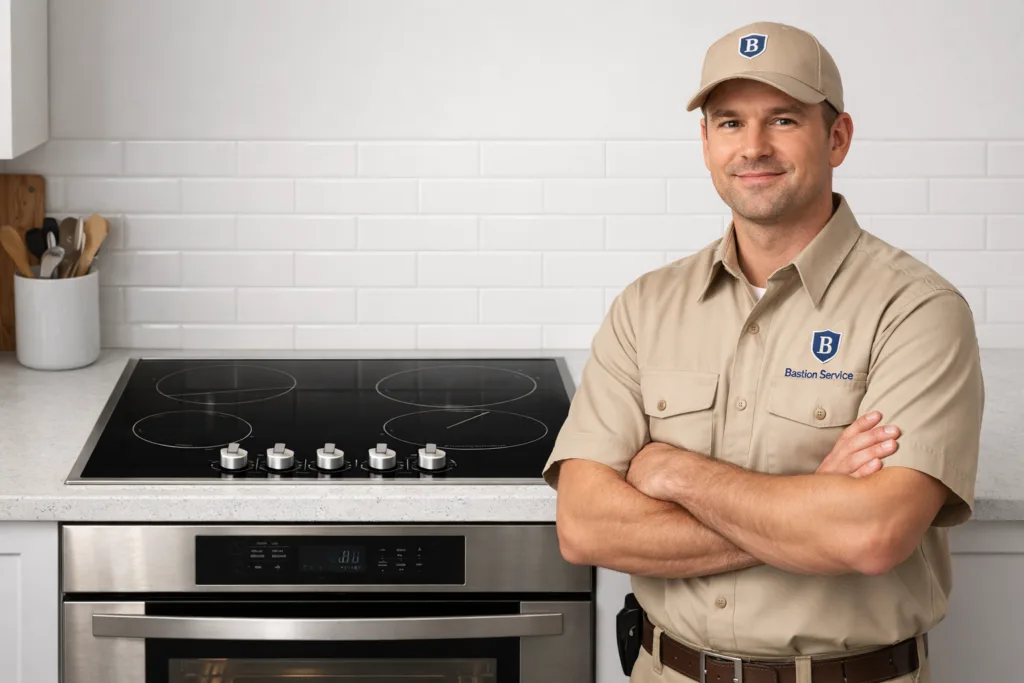
Cooktop problems are easiest to solve when the exact behavior is identified first. A burner that will not ignite, an element that stays cool, a control that responds inconsistently, or a surface that clicks over and over can each point to different faults. For homeowners in Rancho Palos Verdes, the goal is to narrow the issue down before any repair decision is made.
How Electrolux cooktop problems usually show up
Most failures start with one noticeable symptom rather than a total shutdown. You may see one burner acting differently from the others, slower heating than usual, repeated sparking, or a control that no longer matches the setting you select. On an Electrolux cooktop, those details matter because the same appliance can have different burner layouts, ignition designs, and control systems depending on the model.
Paying attention to what happens before, during, and after you turn a burner on can help separate a simple maintenance issue from a part failure. A burner that clicks only after a spill is different from one that clicks every day regardless of cleaning. A radiant element that cycles normally is different from one that never gets fully hot or never shuts off properly.
Common symptoms and what they can indicate
Burner will not ignite on a gas cooktop
If a gas burner does not light, the cause may be as simple as burner cap misalignment or residue blocking proper flame spread. In other cases, the issue is tied to the spark igniter, ignition switch, wiring, or gas flow to that burner. When only one burner is affected, the problem is often isolated. When several burners behave the same way, it may point to a broader ignition or supply issue.
Burner clicks repeatedly
Constant clicking usually means the ignition system is continuing to search for a flame signal. Moisture after cleaning, food buildup around the igniter, a stuck switch, or a failing spark component can all cause this. If the burner eventually lights but keeps clicking, the cooktop still needs attention because the symptom rarely corrects itself for long.
Electric element does not heat
On electric models, a surface element that stays cold may have a failed element, a damaged connection point, a bad infinite switch, or an internal wiring problem. Sometimes the burner heats intermittently at first before failing completely. That pattern often suggests a component that is wearing out rather than a one-time interruption.
Uneven heat or poor temperature control
If cooking results have become inconsistent, the issue may be a control problem rather than the burner itself. A burner that runs hotter than expected, cycles too slowly, or does not respond to setting changes can make everyday cooking frustrating and unpredictable. In Rancho Palos Verdes homes where the cooktop is used often, this usually shows up first as pans heating unevenly, sauces scorching, or water taking longer than normal to boil.
Only some burners work
When one or two burners still work normally but others do not, that usually suggests separate component failures rather than a complete appliance breakdown. This can make repair more reasonable if the cooktop is otherwise in good shape. A targeted diagnosis can determine whether the failure is limited to a switch, igniter, element, or burner-specific wiring.
Burner stays too hot or will not shut off correctly
This is one of the more urgent electric cooktop symptoms. A burner that remains hot even after being turned down or off may indicate a failed control switch or related electrical fault. Continued use can damage cookware and create a safety concern, so the affected burner should be stopped until the problem is checked.
Sparking, tripping breakers, or intermittent power
If the cooktop trips the breaker, sparks visibly, or loses operation during use, there may be a shorted component, damaged wire, or internal electrical failure. These symptoms go beyond normal wear and should not be ignored. Intermittent electrical issues often become more frequent over time.
Problems that can follow spills, cleaning, or heavy use
Not every cooktop issue starts with a failed part. Spills can interfere with ignition, moisture can affect burner performance, and heavy use can gradually wear switches and heating components. Glass-top surfaces can also hide damage until a burner begins heating unevenly or a control starts responding erratically.
If a symptom appeared right after deep cleaning, the immediate suspect may be moisture around igniters or components that were disturbed during reassembly. If the issue developed gradually over months, normal component wear is more likely. That symptom history helps shape the repair path.
When to stop using the cooktop and schedule service
It makes sense to stop using the affected burner and arrange service when you notice any of the following:
- the burner will not ignite after proper cleaning and positioning
- clicking continues constantly or returns often
- an electric element does not regulate heat correctly
- the cooktop trips power during normal use
- there is visible sparking or signs of overheating
- one burner stays on too hot or does not shut off as expected
If there is a strong or persistent gas odor, stop using the appliance immediately and follow gas safety procedures before arranging appliance repair.
Why accurate testing matters on an Electrolux cooktop
Replacing the first part that seems likely can waste time and money. Repeated clicking may come from moisture, a switch problem, or a failed ignition component. A burner that will not heat may be caused by the element itself, the control, or the connection between them. Proper testing helps separate the symptom from the source.
That is especially important with Electrolux cooktops because surface configuration and controls vary by model. A repair plan that fits one unit may not fit another, even when the symptoms sound similar. A focused diagnosis gives homeowners a better idea of whether the issue is isolated, how involved the repair may be, and whether the appliance is a good candidate for repair.
Repair or replacement?
Many cooktop problems are worth repairing when the fault is limited to a burner component, igniter, surface element, switch, or related wiring. If the glass, controls, and remaining burners are in solid condition, a single-part or single-burner repair is often the practical choice.
Replacement becomes more likely when there are multiple failures, major surface damage, hard-to-source parts, or signs that the appliance has broader wear beyond the current symptom. The best decision usually comes after confirming whether the problem is isolated or part of a larger decline in condition.
What homeowners in Rancho Palos Verdes can expect from a useful service visit
A productive visit should start with the exact complaint: which burner is affected, whether the unit is gas or electric, how long the symptom has been happening, and whether it is constant or intermittent. From there, the technician can inspect the burner area, verify control behavior, and test the components most closely tied to the failure.
That process helps answer the questions homeowners usually care about most: whether the cooktop can be repaired reliably, whether continued use risks further damage, and whether the issue is limited to one component or likely to spread. For Electrolux cooktop repair in Rancho Palos Verdes, that kind of symptom-based evaluation is what turns a frustrating kitchen problem into a workable next step.