
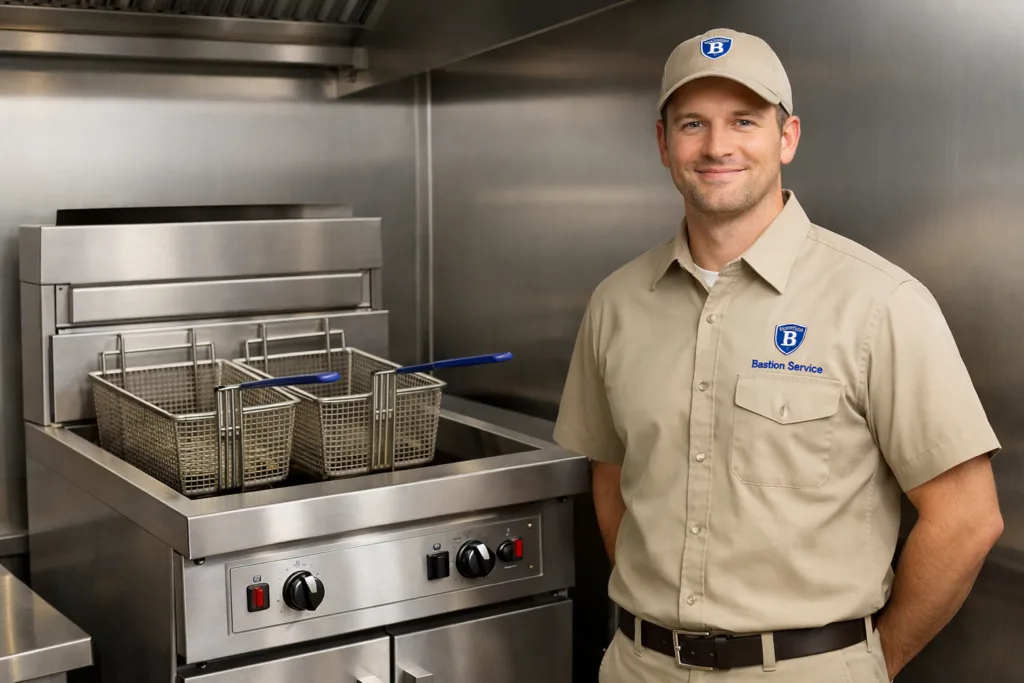




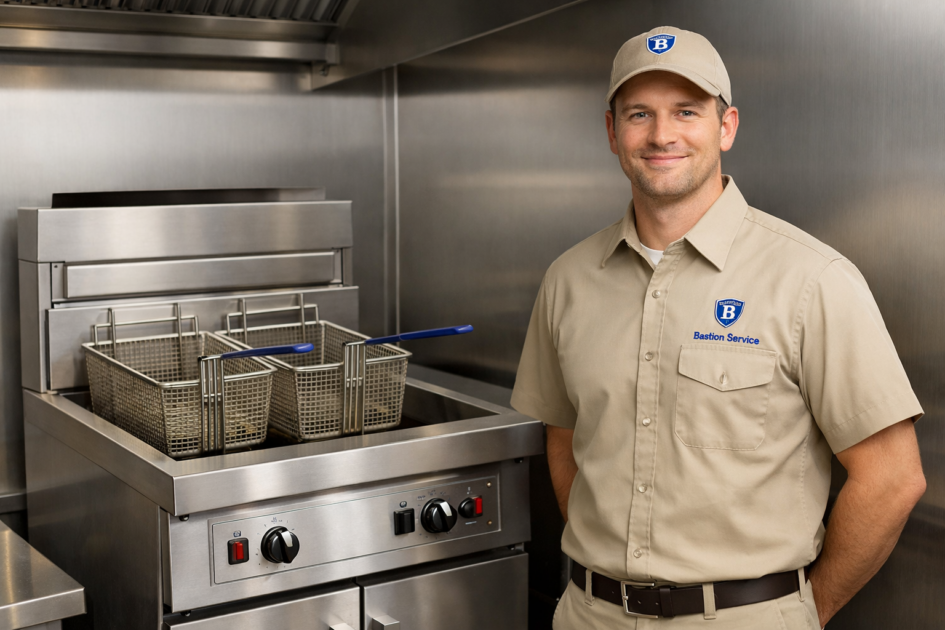
When a Vulcan fryer starts missing temperature, cycling unpredictably, or dropping out during service, the fastest way back to stable production is to diagnose the exact failure pattern before ordering parts or relying on temporary workarounds. In Mid-Wilshire kitchens, fryer problems can affect ticket flow, food quality, oil life, and staff efficiency within a single shift. Service is most effective when it is based on how the unit is actually behaving under load, whether the issue is constant, intermittent, or getting worse over time.
Related commercial service paths in Mid-Wilshire include Vulcan Commercial Repair in Mid-Wilshire, Commercial Fryer Repair in Mid-Wilshire, and Vulcan Oven Repair in Mid-Wilshire.
Bastion Service provides Vulcan fryer repair for businesses in Mid-Wilshire with attention to downtime impact, equipment condition, and repair scheduling that fits operational needs. For restaurants, cafeterias, and other food-service kitchens, the goal is to identify the fault, address the cause, and help operators understand whether the problem is isolated or part of a larger reliability issue.
Common Vulcan fryer problems in Mid-Wilshire kitchens
Fryer not heating or recovering slowly
If the fryer does not reach set temperature or takes too long to recover between baskets, the cause may involve the thermostat, probe, ignition components, gas flow issues, electric heating components on electric models, or control failure. Slow recovery often shows up first as longer cook times and inconsistent color before the fryer stops heating altogether.
This kind of symptom is important because staff may try to compensate by extending cook times or reducing batch size, which can hide the real problem for a while but does not restore proper fryer performance.
Oil temperature swings and uneven cooking
When product comes out too dark on one batch and undercooked on the next, the fryer may be cycling outside its intended temperature range. That can happen when temperature sensing is inaccurate, controls are drifting, or the heating system is not responding correctly. In daily operation, these swings can lead to wasted oil, food inconsistency, and avoidable product loss.
Ignition failure or burner problems
A fryer that clicks without lighting, lights inconsistently, or loses flame after startup may have an ignition sequence problem rather than a single obvious failed part. Burners, pilot assemblies, flame sensing components, wiring, and related controls all need to be considered together. Repeated ignition failure can stop production unexpectedly and should be checked before the unit becomes completely unreliable.
Unexpected shutdowns during use
If the fryer starts normally and then shuts down after warming up, the issue may involve overheating protection, unstable controls, ignition interruption, or a component that fails once it reaches operating temperature. Intermittent shutdowns are especially disruptive because they can appear random to staff while steadily becoming more frequent.
Visible wear, leaks, or buildup
Some service calls begin with signs that seem minor, such as residue buildup, leaking oil, damaged fittings, loose hardware, or worn door and access components. These issues can point to broader wear and may affect safe operation, cleaning, and day-to-day usability. On older units, visible condition often helps determine whether repair is still the right investment.
Why symptom-based diagnosis matters
A complaint like “not heating” does not automatically mean one specific part has failed. The same symptom can come from different faults depending on the fryer model, fuel type, controls, operating history, and how the unit behaves during startup and under cooking demand. That is why symptom-based diagnosis saves time: it reduces the chance of replacing parts that are not causing the problem.
For businesses in Mid-Wilshire, this matters because fryer downtime affects more than one menu item. A correct diagnosis helps management decide whether the unit can return to service quickly, whether additional issues should be addressed at the same time, or whether the fryer is showing signs of broader decline.
Signs service should be scheduled soon
- The fryer heats, but recovery is noticeably slower than normal.
- Oil temperature overshoots or falls off during regular production.
- The unit requires resets to keep operating.
- Ignition is inconsistent at startup.
- The fryer shuts off during active use.
- Staff are changing cook times to compensate for poor performance.
- Food quality varies from batch to batch without another obvious cause.
These symptoms usually mean the problem is already affecting output, even if the fryer has not failed completely. Scheduling service at this stage often prevents a more disruptive outage later.
When continued use can make the problem worse
Running a fryer with unstable temperatures, repeated shutdowns, ignition trouble, or obvious leakage can increase wear on related components and complicate later repairs. A unit that works “well enough” between failures may still be damaging productivity by slowing cooks, wasting oil, and creating inconsistent results during busy periods.
If the fryer is no longer operating predictably, pausing use and arranging service is often the better decision than pushing it until it stops during a rush.
Repair versus replacement for an older Vulcan fryer
Not every aging fryer needs to be replaced, but not every repair is worth repeating. The decision usually depends on the condition of the tank and cabinet, the type of failure, recent service history, and how important that unit is to daily volume. A single control or ignition issue on an otherwise solid fryer can make repair the right choice. Repeated breakdowns across multiple systems may suggest that replacement planning is the more practical path.
For Mid-Wilshire businesses, the real question is usually whether the fryer will return to dependable service after repair or continue creating interruptions. A proper evaluation helps clarify that before more time and money go into a unit with declining reliability.
Preparing for a fryer service visit
It helps to note whether the fryer fails at startup, after preheat, or during active cooking, and whether the issue happens every time or only during longer runs. Staff observations about slow recovery, fluctuating temperature, burner behavior, error conditions, or recent shutdowns can make troubleshooting more efficient. If the fryer has been reset repeatedly or has shown signs of leakage or overheating, that information is also useful during diagnosis.
The more specific the symptom history, the easier it is to move from general complaint to targeted repair planning.
Service-focused support for Mid-Wilshire kitchens
Fryer problems rarely stay limited to the machine itself. They affect timing, consistency, labor flow, and the ability to keep service moving. For that reason, Vulcan fryer repair in Mid-Wilshire should start with what the equipment is doing now, how that affects operations, and what repair steps make the most sense based on the fryer’s condition. When a unit is not heating properly, struggling to recover, showing control faults, or shutting down without warning, timely diagnosis and scheduled repair are the most practical next steps for protecting uptime.


