Appliance Repair Service

Thermador Dishwasher Repair in Pico-Robertson

Thermador dishwasher repair in Pico-Robertson for poor wash results, drain problems, leaks, low rinse temperature, pump issues, and cycle failures.

Local Pico-Robertson service 90-Day warranty Licensed & insured
  • Thermador dishwasher support in Pico-Robertson
  • Clear diagnosis before repair decisions
  • Warranty for labor and parts
  • Fast scheduling based on availability
Thermador Dishwasher Repair

Thermador Dishwasher repair in Pico-Robertson for focused household appliance problems

When a Thermador dishwasher starts acting up in Pico-Robertson, the most helpful first step is a clear diagnosis and a practical repair plan based on the exact symptom pattern.

Bastion Service helps Pico-Robertson homeowners diagnose Thermador dishwasher problems and decide whether repair is practical based on the symptom, appliance condition, and repair path.

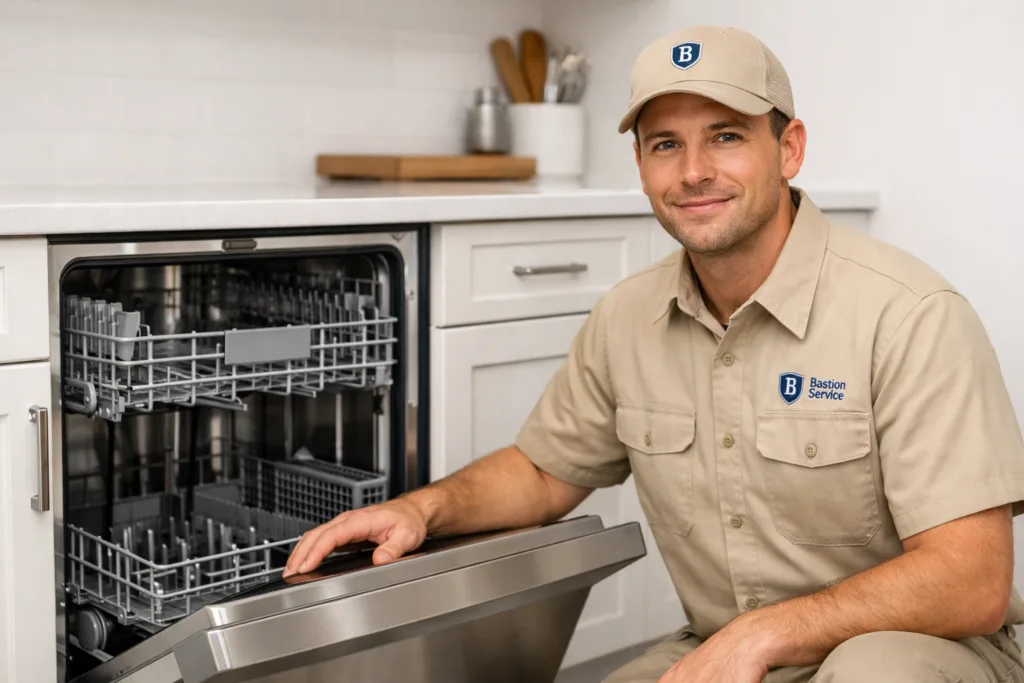
Thermador dishwasher repair support for Pico-Robertson homes.

A Thermador dishwasher can fail in ways that seem minor at first and then turn into a larger kitchen disruption. Water left in the tub, cloudy dishes, repeated cycle interruptions, or moisture near the door usually point to a specific system inside the machine rather than a general decline in performance. In Pico-Robertson homes, sorting out that symptom pattern early helps narrow the repair path and reduces the chance of replacing parts that were not actually causing the problem.

What different Thermador dishwasher symptoms usually mean

Many dishwasher complaints overlap, which is why the visible symptom does not always identify the failed part by itself. A unit that appears to have a drain problem may actually be stalling earlier in the cycle. A dishwasher that seems to wash poorly may have a heat-related issue affecting detergent performance. Looking at when the problem starts, how often it happens, and what the machine does just before it fails usually tells more than the symptom alone.

Standing water after the cycle

If water remains at the bottom after a cycle, common causes include a blocked filter area, drain pump trouble, a restricted drain line, or a drain sequence that never completed. Some units will hum, attempt to drain, and then stop. Others finish the cycle but leave a shallow pool of water and residue behind. When that keeps happening, the machine should not be treated as if it only has a simple clog until the drain system and control sequence are both checked.

Dishes still dirty or gritty

Poor wash results can come from weak circulation, blocked spray arms, detergent dispenser problems, water temperature issues, or a sensor problem that changes how the cycle runs. If glasses come out cloudy, plates still have food particles, or the top rack washes noticeably worse than the bottom, that usually points to wash system performance rather than loading habits alone.

Leaks at the front or underneath

Leaks often come from the door gasket, lower door seal, overfilling, a loose internal hose connection, or drainage that backs up at the wrong stage. A leak does not need to be large to matter. Small repeated drips can affect flooring, toe-kick areas, and nearby cabinet materials over time. If the same damp spot keeps returning, it is worth addressing before the moisture spreads.

Cycle starts and then stops

A dishwasher that fills and then sits, or that shuts down midway through a wash, may have trouble with the latch, wash motor, heating stage, control board, or one of the sensors the unit relies on to move from one phase to the next. Intermittent stopping is especially important to evaluate because the machine may still appear partly functional while an electrical or control-related fault is developing.

Not drying the load well

When dishes remain cool and wet at the end of the cycle, the problem may involve the heating circuit, venting, rinse aid delivery, or cycle control. Some moisture on plastics can be normal, but a full load that consistently comes out wet suggests the dishwasher is not completing its final drying stage as intended.

Grinding, buzzing, or unusual wash noise

Sudden noise changes can indicate debris in the pump area, spray arm interference, a failing circulation motor, or loosened internal components. Noise that gets worse over several cycles is a sign to stop experimenting with repeated runs. Mechanical strain inside a dishwasher rarely improves with more use.

Symptoms that should not be ignored

Some problems are more urgent because continued use can lead to secondary damage. It is smart to stop using the dishwasher and schedule service when you notice:

  • Water leaking onto the floor or into the cabinet area
  • A burning smell or repeated breaker trips
  • Loud mechanical noise that was not present before
  • Standing water that does not clear after a completed cycle
  • A door that will not latch securely or pops open
  • Repeated mid-cycle shutdowns or flashing errors

These conditions can affect more than wash performance. They may point to pump strain, electrical faults, moisture exposure, or a control problem that can worsen if the machine keeps running.

Why the same complaint can have different causes

Dishwashers rely on several systems working in sequence: filling, circulation, heating, draining, sensing, and drying. If one stage falls behind, the next stage may also perform poorly. For example, low rinse temperature can leave detergent residue that looks like a wash issue. A weak circulation motor can make dishes dirty even though the machine fills and drains normally. A control fault can imitate a bad pump by preventing the dishwasher from reaching the drain portion of the cycle at the right time.

That is why symptom-based troubleshooting matters. It helps separate a single failed component from a broader wear pattern, especially when the dishwasher has shown more than one issue over time.

What homeowners can check before scheduling repair

Without taking the appliance apart, there are a few basic observations that can help make the service visit more productive:

  • Note whether the dishwasher fills with water at the start of the cycle
  • Check if the spray arms appear blocked or unable to turn freely
  • Look for heavy debris in the filter area
  • Notice whether the unit is quiet when it should be washing
  • See if the dishes are hot or cool at the end of the cycle
  • Identify whether leaking happens during washing, draining, or after the door is opened

These observations do not replace repair, but they can help clarify whether the problem is tied to washing, heating, draining, or sealing.

Repair or replacement: how to think it through

For many Pico-Robertson households, the decision comes down to the appliance’s overall condition rather than one isolated symptom. If the Thermador dishwasher has been reliable and the issue is limited to a specific component, repair is often the sensible option. If the machine has recurring leaks, poor cleaning, drain trouble, and electronic interruptions all within a short period, replacement may deserve consideration.

Useful factors include the age of the unit, prior repair history, condition of major components, and whether the current issue appears focused or widespread. A machine with one identifiable failure is different from a machine that has started showing multiple signs of wear at once.

What a good service visit should clarify

Homeowners usually want direct answers: what failed, what else was affected, and whether fixing it makes financial sense. For Thermador dishwasher repair in Pico-Robertson, the most helpful outcome is understanding whether the problem is a drain issue, wash-system failure, heat problem, seal problem, or electronic fault, along with what that means for reliable operation afterward.

When the symptom is identified correctly, the next step becomes much easier. Instead of guessing based on dirty dishes or water in the tub, you can make a repair decision based on the actual system that failed and the condition of the dishwasher as a whole.

Service options

Thermador appliances we service in Pico-Robertson

Choose the Thermador appliance type you need serviced in Pico-Robertson.

Customer reviews

Real customer feedback

Recent customer feedback for Bastion Service.

NICOLAS ZAVALA review profile photo
NICOLAS ZAVALA
Google review

“Good job”

kellie snarr review profile photo
kellie snarr
Google review

“I can’t say enough good about this company. He always responds quickly and has same or next day appointments. He goes above and beyond to ensure that all problems are addressed thoroughly! Highly recommended!”

FAQ

Thermador Dishwasher Repair questions

Answers about diagnosis, repair options, timing, and next steps.

What are the most common reasons a Thermador dishwasher stops draining in Pico-Robertson?

Common causes include a blocked filter area, a drain pump problem, a restricted drain path, or an issue with how the unit is draining during the cycle. A proper diagnosis helps separate a simple blockage from a mechanical or control-related fault.

Should I keep using my Thermador dishwasher if it is leaking?

No. If water is leaking from the dishwasher, continued use can worsen damage to nearby flooring or cabinets. It is best to stop using it until the source of the leak is identified.

Why is my Thermador dishwasher running but not cleaning well?

Poor cleaning can point to low spray pressure, clogged wash arms, detergent dispenser issues, sensor problems, or heating-related trouble. If the problem keeps happening after normal cleaning and loading checks, service is usually the next step.

When does replacement make more sense than Thermador dishwasher repair in Pico-Robertson?

Replacement may make more sense when the dishwasher has repeated breakdowns, multiple failing systems, or heavy wear that makes repair less practical. If the problem is isolated and the machine has otherwise been reliable, repair is often still worth considering.

Ready to schedule?

Schedule Thermador Dishwasher Repair in Pico-Robertson

Schedule Thermador dishwasher repair in Pico-Robertson with clear diagnosis, practical repair guidance, and dependable local service.

Call (323) 433-6360