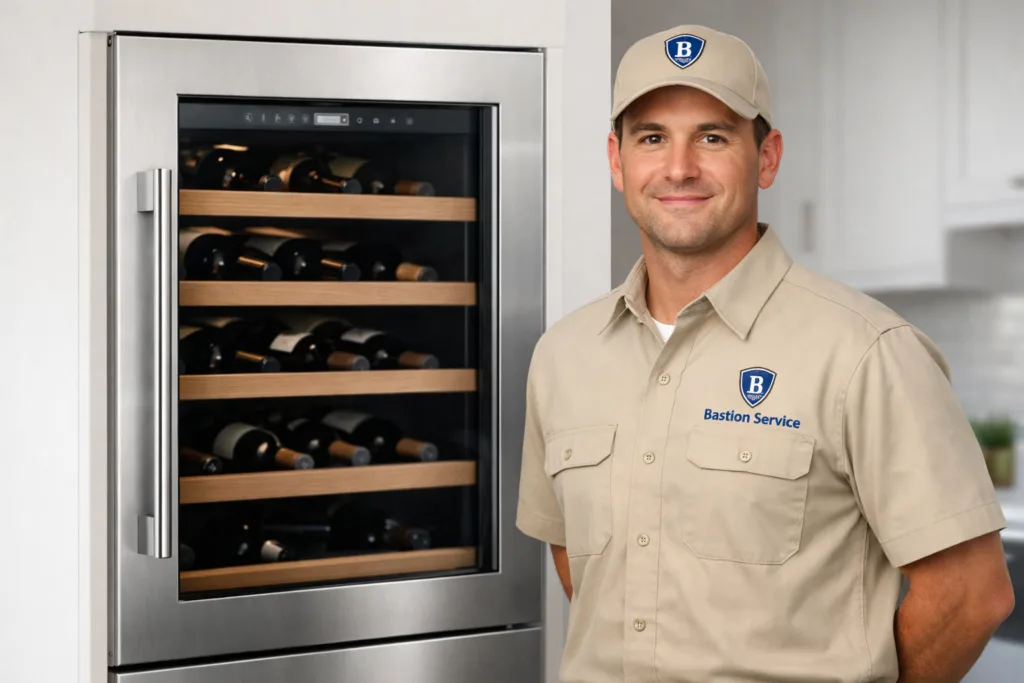
A wine cooler does not have to fail completely before it starts risking the bottles inside. Small temperature swings, short bursts of fan noise, a little moisture on the shelves, or a control panel that behaves inconsistently can all point to a developing problem. For homeowners in Palos Verdes Estates, the best next step is to look at the exact symptom pattern rather than assuming every cooling issue means the same repair.
Start with what the unit is actually doing
Marvel wine coolers are built to hold a stable environment, so changes in performance usually show up in ways that are easy to notice in daily use. The cabinet may feel warmer than usual, the compressor may seem to run too often, the interior may collect condensation, or the display may not match the real temperature inside. Those clues matter because different faults can create similar results.
In many cases, the problem falls into one of a few categories:
- Cooling performance that is weak or inconsistent
- Airflow problems caused by fans, frost, or blockage
- Sensor or control issues affecting temperature regulation
- Drainage or condensation problems
- Door gasket or closing issues that let warm air enter
Common Marvel wine cooler symptoms and what they may mean
Running warm or not holding temperature
If the cabinet feels too warm, the cause may be as simple as poor airflow around the unit or as involved as a cooling system failure. A condenser area clogged with dust, a weak fan motor, a faulty temperature sensor, or a control board issue can all prevent the cooler from maintaining a steady set point. Door seal leaks can create the same complaint by letting room air into the cabinet again and again.
When the unit is only a few degrees off, some homeowners keep using it while watching the display. That can be risky because the displayed temperature is not always the same as the actual bottle environment. If you notice ongoing drift instead of a one-time fluctuation, service is usually worth scheduling sooner rather than later.
Too cold, freezing, or forming frost
A wine cooler that overcools is not just inconvenient. Freezing conditions can affect labels, corks, and long-term storage quality. This symptom often points to a sensor problem, thermostat issue, control failure, or an airflow imbalance inside the cabinet. Frost buildup may also start when humid air enters through a worn gasket or a door that is slightly misaligned.
Once frost begins accumulating, air circulation can become restricted. That can lead to uneven temperatures from one shelf to another and make the unit work harder than normal.
Water inside the cabinet or underneath the cooler
Moisture problems are common in undercounter and built-in refrigeration. A blocked drain, excess condensation, poor leveling, or repeated warm air entry through the door can all leave water where it should not be. In some homes, the first sign is damp shelving; in others, it is a small puddle near the base of the unit.
Even when the leak seems minor, it is worth addressing. Repeated moisture can stain cabinetry, affect nearby flooring, and signal that the cooler is no longer managing temperature and humidity properly.
Fan noise, buzzing, clicking, or rattling
Not every sound means a major failure, but changes in sound should not be ignored. A rattle may come from vibration or loose mounting, while a grinding or scraping sound can point to a fan motor issue. Clicking can be related to controls, relays, or compressor start problems. If the noise appears along with poor cooling, that combination usually narrows the issue more quickly than sound alone.
A useful detail to note is when the noise happens: at startup, during cooling cycles, constantly, or only when the door has been opened recently.
Constant running or very frequent cycling
A Marvel unit that seems to run all the time may be struggling to reach temperature. Dirty condenser components, restricted airflow, a failing fan, sensor inaccuracy, gasket leakage, or sealed-system trouble can all increase runtime. On the other hand, short cycling may point to control or compressor-related problems.
Either pattern matters because the longer the machine operates under stress, the more wear it places on key components.
Controls, display, or lighting not responding correctly
If the panel is erratic, the interior light does not behave normally, or settings do not seem to change the actual temperature, the issue may be electrical rather than strictly cooling-related. A loose connection, failing control interface, sensor problem, or board fault can produce confusing symptoms that look like a refrigeration problem at first glance.
Why the same symptom can have different causes
Wine cooler repairs are often misjudged because “not cooling” sounds like one problem when it can actually come from several systems. A warm cabinet might be caused by a fan that is not moving air, a sensor feeding the wrong information to the control, a poor door seal, or a sealed-system issue. Frost may look like a defrost concern, but in a wine cooler it can also begin with humid air intrusion.
That is why part-swapping based on guesswork often wastes time and money. The more useful approach is to match the symptom to the operating system involved and then confirm the failure before deciding on repair.
What homeowners can check before scheduling service
Without taking the unit apart, there are a few helpful observations you can make:
- Compare the set temperature with the actual feel of the cabinet
- Check whether the door closes fully without resistance
- Look for torn, hardened, or loose gasket sections
- Notice whether moisture appears in one area or throughout the cabinet
- Listen for fan noise, clicking, or changes in compressor sound
- Watch whether the controls respond consistently
- Note if the unit runs constantly or cycles unusually often
These details can make the service visit more productive and help determine whether the issue is tied to airflow, controls, drainage, or cooling performance.
When service should not be delayed
Some symptoms deserve prompt attention because waiting can make the repair more involved. Schedule service if the wine cooler has stopped cooling entirely, cannot hold temperature for more than short periods, repeatedly develops interior frost, leaks water, or begins making new and persistent noise. If the unit trips power or shows signs of electrical irregularity, stop normal use until it is inspected.
This is especially important when you rely on the cooler for long-term bottle storage. A unit that is barely keeping up today may be much less stable after a few more days of strain.
Repair or replacement depends on the actual failure
Not every malfunction means the appliance is at the end of its life. Many Marvel wine cooler problems involving fans, controls, sensors, drainage, or door sealing can be reasonable to repair when the cabinet and core refrigeration system are otherwise in good shape. In contrast, a major sealed-system problem or multiple failing components in an older unit may shift the decision toward replacement.
The important point is to base that choice on confirmed findings. Sometimes a cooler that seems like a major loss turns out to have a correctable airflow or control issue. Other times, mild symptoms are the first sign of a more serious cooling-system fault.
What a useful service call should accomplish
For Marvel Wine Cooler Repair in Palos Verdes Estates, the goal is not just to get the unit running again for a day or two. It is to identify why the temperature became unstable, why moisture appeared, or why the unit started sounding different, and then determine whether the repair path makes sense for the condition of the appliance. That gives homeowners a realistic picture of what to fix now, what to monitor, and when replacement would make more sense than continued repairs.
Choosing the right time to book service
If you are adjusting settings more often than usual, seeing condensation return after wiping it out, or hearing the cooler run harder than it used to, those are practical signs to have it checked. In Palos Verdes Estates, a residential wine cooler should hold temperature quietly and consistently. Once it stops doing that, early attention usually gives you the best chance of avoiding further strain on the compressor, fans, and controls.