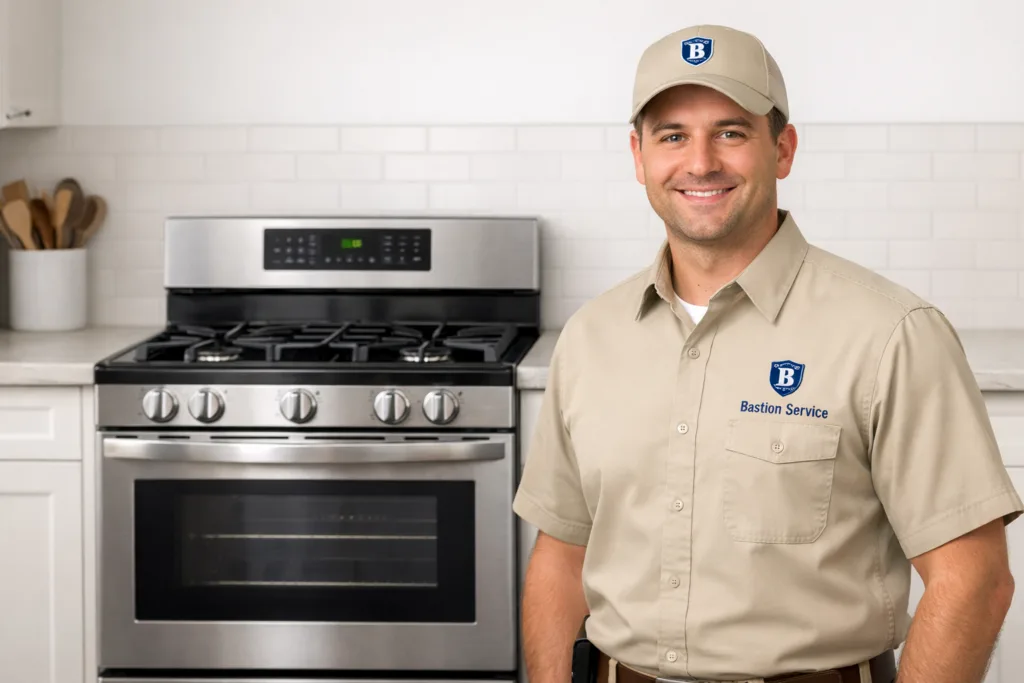
Cooking problems with an LG range often show up as small annoyances before they become a full interruption to daily meals. A burner may light only after several tries, the oven may run cooler than the set temperature, or the control panel may respond inconsistently. In many cases, those symptoms point to a specific failed part or a smaller system issue rather than a total appliance failure.
How LG Range Problems Usually Show Up
Ranges combine several systems in one appliance: surface cooking, oven heating, ignition or element control, temperature sensing, and electronic operation. Because of that, one symptom does not always mean one obvious cause. An oven that will not heat can be related to an igniter, sensor, bake element, relay, or control fault. A burner that clicks constantly may be dealing with moisture, misalignment, debris, or a failing ignition component.
What matters most is the pattern. If the same burner keeps acting up, the oven misses temperature by a similar amount each time, or the display throws recurring errors, that consistency usually makes the problem easier to isolate.
Common LG Range Symptoms and What They May Mean
Surface Burner Will Not Heat Properly
On electric LG ranges, a burner that stays cold, overheats, or refuses to cycle down may involve the surface element, switch, wiring, or control system. On glass-top models, partial element failure can create uneven heating that is especially noticeable with pans that normally cook evenly.
On gas models, weak flame or delayed ignition can point to clogged burner ports, burner cap alignment issues, spark problems, or gas flow irregularities within the burner assembly. If only one burner is affected, the fault is often localized. If several burners behave the same way, broader ignition or supply-related diagnosis may be needed.
Oven Not Heating or Slow to Preheat
If the oven takes much longer than normal to reach temperature, the cause may differ depending on whether the range is gas or electric. Gas models commonly show this symptom when the igniter is weakening. The oven may still eventually heat, but delayed ignition can stretch preheat times and affect cooking results. Electric models may have a weak bake or broil element, even if the element does not appear visibly broken.
Some homeowners first notice the issue through cooking results rather than the preheat cycle itself. Food may need extra time, baked goods may come out pale, or roasting may feel unpredictable from one meal to the next.
Uneven Baking or Inconsistent Results
An oven does not need to stop heating completely to need repair. If one rack cooks faster than another, one side browns too quickly, or dishes are overdone on top and underdone in the center, the range may be heating unevenly. Possible causes include sensor drift, partial element failure, airflow problems, convection fan issues on equipped models, or heat loss around the door.
This kind of complaint is especially worth checking when cooking habits have not changed but results suddenly have. A gradual decline in baking performance often signals a component wearing out rather than a simple calibration issue.
Clicking Without Ignition
Repeated clicking is one of the more common gas range complaints. Sometimes the cause is simple, such as moisture after cleaning or a burner cap that is slightly out of position. In other cases, the problem is tied to the spark switch, ignition harness, or spark module. If the clicking continues after the burner area is dry and properly assembled, the range may need inspection before regular use continues.
If there is a strong or persistent gas smell, stop using the appliance and address safety first before arranging repair.
Controls Not Responding or Error Codes Appearing
LG ranges with digital controls can develop problems that look electrical or intermittent. The display may flash errors, buttons may stop responding, settings may reset, or the oven may shut off during preheat. These issues can come from the user interface, control board, sensor input, wiring connections, or heat-related electronic failure.
Intermittent problems are often the hardest for homeowners to describe, so it helps to note when they happen. For example, a range that fails only during long baking cycles may be behaving differently from one that fails immediately after being turned on.
Signs the Problem Is Getting Worse
Some range issues stay relatively stable for a while, but others progress quickly. It is smart to schedule service when you notice symptoms such as:
- Preheat times that are getting longer week by week
- A burner that now requires repeated attempts to ignite
- Temperature swings large enough to affect normal cooking
- A surface element that will not regulate heat correctly
- Error codes that return after being cleared
- Random shutoffs during baking or broiling
- A door that does not close fully or seal well
Waiting can sometimes increase the repair scope. A weak igniter, failing switch, or overheated connection may eventually affect nearby parts if the range continues to be used under the same faulty condition.
Repair or Replace: What Usually Makes Sense
Many LG range repairs are reasonable when the appliance is otherwise in good condition and the problem is limited to one system. Burners, igniters, sensors, switches, elements, and some control-related faults can often be addressed without replacing the entire unit.
Replacement becomes more worth considering when multiple major functions are failing at once, the appliance has a history of repeated control issues, or the projected repair cost is high compared with the condition of the range as a whole. The most useful decision usually comes after testing identifies whether the issue is isolated or part of a larger pattern.
What to Note Before a Service Appointment
A few observations can make diagnosis much faster. Try to note:
- Whether the issue affects the cooktop, the oven, or both
- Whether the symptom happens every time or only occasionally
- Any error code shown on the display
- Whether the problem started suddenly or gradually
- Whether one burner or heating zone behaves differently from the others
- How long preheating now takes compared with normal use
Even simple details help. In Pico-Robertson homes, homeowners often notice the pattern first through everyday cooking: one front burner clicking longer than usual, a favorite oven setting no longer working the same way, or meals needing unexplained extra time.
LG Range Repair for Homes in Pico-Robertson
For households in Pico-Robertson, the main goal is to restore safe, predictable cooking without guessing at parts. When the symptom is identified correctly, it becomes much easier to decide whether the fix is straightforward, whether additional testing is needed, and whether repair is practical for the appliance’s current condition.
If your LG range is showing repeat problems with ignition, heating, temperature accuracy, or electronic controls, service is usually most worthwhile before the issue spreads into broader performance or safety concerns.