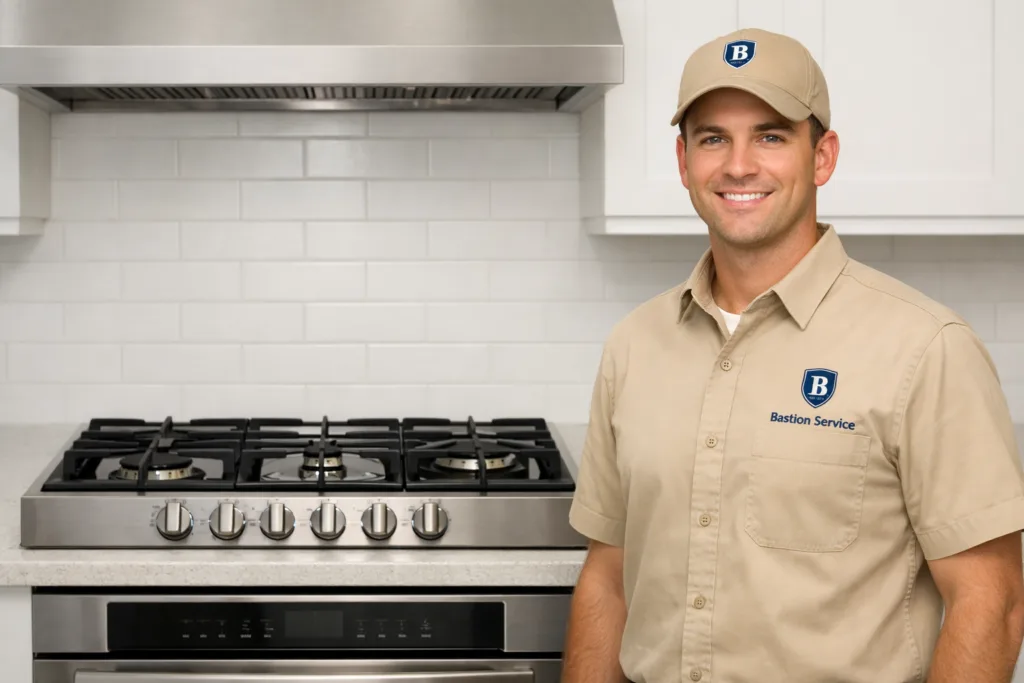
Cooktop problems are easier to solve when the symptom is described clearly. A burner that will not light, a surface element that stays too hot, or controls that respond inconsistently can each point to different faults on an LG unit. In many Santa Monica homes, the most efficient repair path starts with matching the exact behavior of the cooktop to the parts and systems most likely involved.
How LG cooktop issues usually show up
Some failures are obvious right away, while others begin as small changes in daily use. You might notice one burner taking longer to ignite, an element heating unevenly, or a control knob no longer producing a normal response. Those patterns matter because a problem at the burner itself is different from a problem in the switch, wiring, spark system, or control assembly.
LG cooktops may be gas, radiant electric, or glass-surface electric designs, and each type develops its own symptom patterns. Looking at the appliance as a whole helps separate a single-burner issue from a broader power or control problem.
Gas cooktop symptoms
On gas models, the most common complaints involve clicking, delayed ignition, weak flame, uneven flame, or a burner that works only occasionally. These symptoms can be caused by moisture after cleaning, clogged burner ports, a misaligned cap, a worn igniter, or a fault in the spark ignition circuit.
If one burner clicks constantly while others behave normally, that often narrows the problem to parts associated with that burner. If several burners start acting up at the same time, the cause may be more centralized in the ignition system or related wiring.
Electric cooktop symptoms
On electric LG cooktops, homeowners often notice a burner that will not heat, cycles unpredictably, overheats, or only works on certain settings. Depending on the model, the source may be a failed element, damaged infinite switch, sensor issue, or a connection problem under the cooktop surface.
A burner that appears to turn on but never reaches cooking temperature is different from a burner that gets red hot and does not regulate down. Both require service, but they usually point to different failed parts.
Symptom-based clues that help narrow the repair
While a proper inspection is still needed, these symptom patterns often help explain what may be going on:
- One burner not heating or igniting: often tied to that specific burner’s igniter, element, switch, or wiring connection.
- Burner clicks but does not light: may involve gas flow issues, clogged ports, cap alignment, or a spark problem.
- Burner lights slowly: can indicate debris buildup, weak spark, or burner assembly issues.
- Burner gets too hot regardless of setting: commonly linked to a failing control switch or regulation component.
- Cooktop works intermittently: may point to loose electrical connections, worn controls, or heat-related component failure.
- Multiple burners affected: can suggest a broader power supply, control, or wiring problem rather than an isolated burner fault.
Clicking, delayed ignition, and uneven flame on gas models
Repeated clicking is one of the most common reasons homeowners seek service for an LG gas cooktop. Sometimes the cause is simple, such as moisture left behind after cleaning or burner parts that were reassembled slightly out of position. In other cases, persistent clicking continues even after the area is dry and properly seated, which can indicate a fault in the igniter, spark switch, or ignition harness.
Uneven flame is also worth checking promptly. If the flame pattern looks weak on one side, flares irregularly, or changes color, the burner may not be distributing gas correctly. That can affect cooking results and may signal wear, blockage, or improper burner assembly.
If you notice a strong gas smell that does not clear quickly, stop using the cooktop and treat it as a safety concern first, not a routine appliance issue.
Burners not heating properly on electric models
Electric LG cooktops often show trouble through poor temperature control. One burner may stay cool, another may pulse oddly, and another may overheat even on a low setting. Because these symptoms can come from different components, replacing parts by guesswork often leads to unnecessary cost.
In glass-surface units, a heating issue may involve the radiant element below the surface, but it can also come from the switch that regulates that element or from damaged wiring exposed to repeated heat. If the cooktop has touch controls, the fault may sit higher in the control system rather than at the burner itself.
Cracked glass and visible surface damage
If your LG cooktop has a cracked glass surface, chips around a burner area, or visible scorching near the controls, it should not be treated as a cosmetic issue alone. Surface damage can affect safe operation, allow moisture into sensitive components, and lead to additional failures if the cooktop continues to be used.
Cracking can happen after impact, thermal stress, or long-term wear. In some cases the underlying heating components are still functional, but the condition of the surface changes whether repair is sensible. The right decision depends on the extent of the damage, the model, and whether the affected parts are still serviceable.
When continued use can make the problem worse
Many homeowners keep using the remaining burners while postponing service on the failed one. Sometimes that is manageable for a short time, but not always. A gas burner that keeps trying to spark can put extra wear on ignition parts. An electric burner that overheats can damage cookware, stress neighboring controls, and create more heat exposure inside the appliance.
It is best to stop using the cooktop and have it checked if you notice:
- persistent clicking that does not stop
- burners that heat without proper control
- tripped breakers during use
- visible sparking, charring, or melted areas
- cracked glass or damaged control areas
- performance changes that keep returning after normal cleaning
Repair or replace an LG cooktop?
Repair is often worthwhile when the problem is limited to a burner assembly, igniter, switch, element, or other defined component and the cooktop is otherwise in good condition. Replacement becomes a more serious consideration when the unit has major surface damage, repeat failures across several systems, or repair costs that approach the value of the appliance.
For Santa Monica households, the choice usually comes down to appliance condition, part availability, and how extensive the failure really is. A good evaluation should make it easier to tell whether the issue is a focused repair or a sign that the cooktop is nearing the end of its practical service life.
What homeowners can check before scheduling service
Before assuming the cooktop needs a major repair, there are a few simple things worth checking. On gas models, make sure burner caps are seated correctly and that ports are not blocked by food residue. If the problem started right after cleaning, allow time for moisture around the igniter area to dry fully.
On electric models, note whether the issue affects only one burner or several. Pay attention to whether the burner never heats, heats weakly, or will not cycle down. These details are often more useful than simply saying the cooktop is not working.
Avoid disassembly beyond normal cleaning, especially if the appliance is showing electrical symptoms, sparking, or signs of heat damage.
Cooktop repair focused on daily kitchen use
In a busy home, a faulty cooktop changes how meals get prepared and how the kitchen functions day to day. The goal of service is not just to make a burner respond once, but to restore normal, predictable cooking performance. That means identifying whether the issue is isolated, whether more than one component has been affected, and whether the repair makes sense for the condition of the appliance.
If your LG cooktop in Santa Monica is no longer igniting, heating evenly, or responding normally at the controls, service is usually best scheduled before the problem spreads or the appliance becomes unsafe to use.