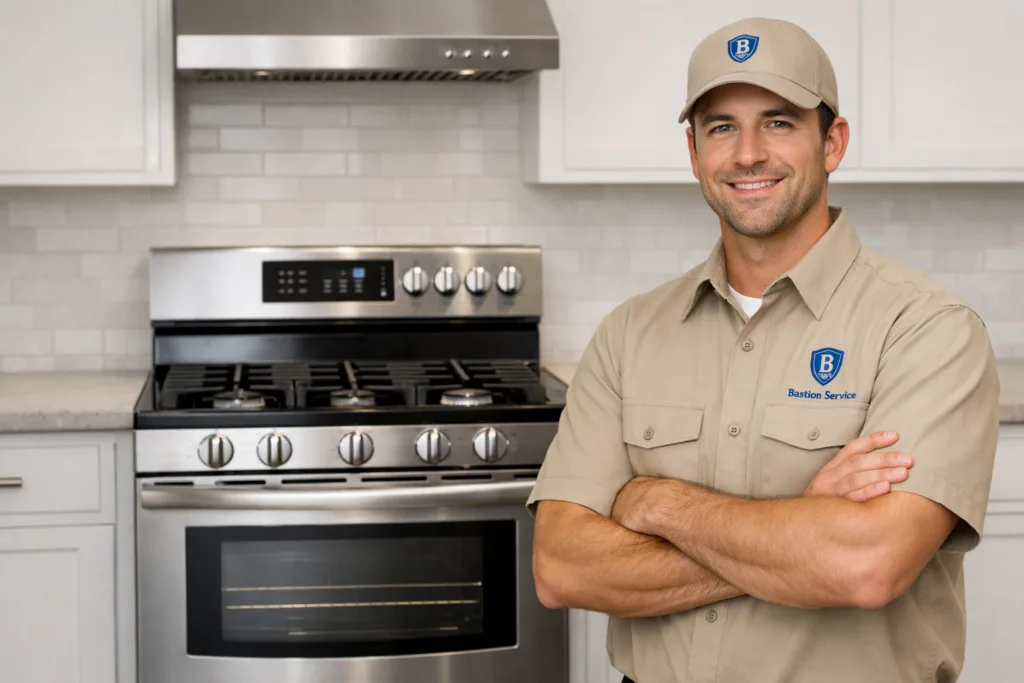
Cooking problems with a Kenmore range often start small: a front burner that takes longer to heat, an oven that suddenly needs extra preheat time, or a control panel that responds only part of the time. Those symptom patterns matter, because they usually point to a specific failed part or system rather than a vague “range problem.”
What different symptoms often mean
A range combines surface cooking, oven heating, ignition, temperature regulation, and electronic controls. Two appliances can appear to have the same issue while needing completely different repairs, so it helps to match the behavior you see with the most likely cause.
Surface burner will not heat
On electric Kenmore ranges, a burner that stays cold may involve the surface element, the receptacle it plugs into, the infinite switch, or wiring damage beneath the cooktop. If the burner works only occasionally or only at certain settings, that can suggest a failing switch or a loose, heat-damaged connection.
On gas models, a burner that clicks but does not light may be affected by a clogged burner port, misaligned cap, moisture around the igniter, or an ignition problem that prevents the gas from lighting properly.
Burner heats unevenly or too hot
If a burner cycles erratically, runs hotter than expected, or does not hold a low simmer, the issue may be with the control switch, sensor feedback, or the burner itself. Home cooks usually notice this first when sauces scorch, pans heat unevenly, or low settings no longer behave like low settings.
Oven will not preheat
An oven that stays cold or takes far too long to warm up often needs electrical or component testing. On electric units, the bake or broil element may have failed even if damage is not obvious at a glance. On gas units, a weak igniter is a common cause of poor or delayed heating. The oven may still appear to start, but it will not reach temperature correctly if the igniter cannot draw enough current to open the gas valve as intended.
Food cooks unevenly
If one side of a sheet pan browns faster, baked dishes stay underdone in the middle, or recipes that used to work now come out inconsistent, the problem may involve the temperature sensor, door seal, element performance, calibration drift, or control board regulation. Uneven cooking is not always “normal aging.” In many cases, it is a repairable issue.
Display or keypad problems
When the control panel resets, beeps unexpectedly, drops settings, or ignores button presses, the fault may be in the touchpad, control board, wiring harness, or incoming power path. Intermittent electronic issues often become more noticeable during baking cycles because heat exposure can aggravate a weakened component.
Common Kenmore range problems seen in Del Rey homes
In Del Rey households, range issues often show up during everyday cooking rather than as a total breakdown. A homeowner may first notice that water takes longer to boil, breakfast burners click repeatedly before lighting, or the oven no longer bakes reliably enough for weeknight meals.
Some of the more common service calls include:
- Burners that will not ignite or will not stay lit
- Electric elements that heat weakly or not at all
- Ovens that run cool or overshoot the set temperature
- Long preheat times
- Constant clicking from a gas burner
- Keypads or displays that stop responding
- Doors that do not close tightly
Each of these symptoms can have more than one cause, which is why replacing parts based on guesswork often leads to extra cost without solving the actual problem.
Signs the oven heating system may be failing
Oven heating problems are not always obvious. Some ranges still produce heat, but not the right amount of it. That can lead to subtle performance issues before a complete no-heat failure happens.
Watch for signs such as:
- Preheat taking much longer than it used to
- Recipes requiring extra cook time again and again
- Broiling still working while baking does not
- Temperature dropping sharply when food is placed inside
- Frequent undercooking despite normal settings
On a Kenmore gas range, a weak igniter is a particularly important symptom to address. It may allow the oven to heat inconsistently while also placing strain on related components. On electric models, partial element failure can reduce heat output enough to affect cooking results without making the element look completely broken.
When burner clicking, sparking, or delayed ignition should not be ignored
Gas burner issues deserve timely attention when ignition becomes unreliable. Repeated clicking without a normal flame, delayed lighting, or a burner that lights with a “whoosh” can indicate a problem with ignition, burner alignment, contamination, or gas flow through the burner assembly.
Electric models should also be checked promptly if you notice sparking, a burning smell, or signs of heat damage around a burner connection. A receptacle or wiring problem can worsen with use, especially when high heat is applied repeatedly.
In general, pause normal use if you notice:
- Sparking from the cooktop area
- Breaker trips tied to range operation
- Burning electrical odor
- Oven overheating or not shutting off correctly
- Visible wire damage
- Delayed gas ignition
Door, seal, and hardware problems that affect performance
Not every range repair involves a heating component. A worn door gasket, sagging hinge, or damaged inner glass can affect how the oven holds heat. If the door does not close evenly, heat can escape during baking and cause longer cook times, uneven results, and extra strain on the heating system.
Storage drawers and lower compartments can also become misaligned over time. While those issues may seem cosmetic at first, they sometimes reflect wear in nearby hardware that affects everyday use of the appliance.
Repair or replacement: what usually makes sense
Many Kenmore range problems are worth repairing when the issue is limited to a specific part and the appliance is otherwise in solid condition. Igniters, surface elements, switches, sensors, door hardware, receptacles, and some control-related failures are often reasonable fixes depending on model and parts availability.
Replacement becomes more likely when the range has several major faults at once, has a history of repeat breakdowns, or has broader wear that goes beyond a single repair. Severe control damage, multiple failing burners, and major oven performance issues together can shift the math away from repair.
A useful service call should help answer three practical questions:
- What component has actually failed?
- Is continued use safe before repair?
- Will the repair likely restore normal daily cooking performance?
When to schedule service
It is a good time to schedule Kenmore range repair in Del Rey when the appliance is still working somewhat but the performance is clearly slipping. Early service can prevent a minor fault from turning into a larger one, especially with weak igniters, damaged burner connections, and control issues that become more erratic over time.
Homeowners often call once they notice repeated undercooking, burners that stop responding on certain settings, or oven temperatures that no longer match the display. Those are the kinds of symptoms that usually do not correct themselves and tend to become more disruptive with continued use.
What a thorough diagnosis should accomplish
A good diagnosis should do more than confirm that the range is malfunctioning. It should identify the failed component or system, explain why the symptom is happening in plain language, and determine whether the repair path makes sense for the condition of the appliance.
For Del Rey homeowners, that means getting symptom-based guidance that helps separate a manageable repair from a larger appliance decision. Whether the issue is a burner that will not ignite, an oven that cannot hold temperature, or controls that have become unreliable, the goal is to restore safe and predictable cooking without unnecessary part changes.