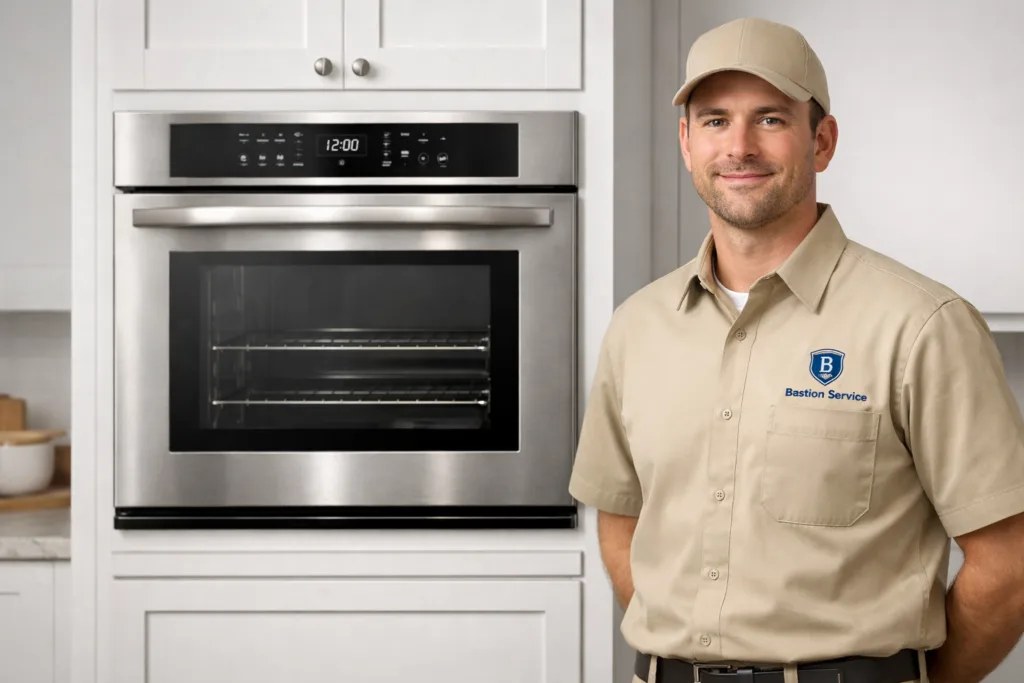
Wall oven problems rarely stay minor for long. A Frigidaire unit that starts with slow preheat or inconsistent temperature can quickly turn into missed bake times, scorched food, or an oven that stops working altogether. The most useful approach is to match the symptom to the likely system involved, then verify the failure before any part is replaced.
Common Frigidaire wall oven symptoms and what they often mean
Oven will not heat at all
If the display comes on but the cavity stays cold, the fault may be in the bake element, broil element, temperature sensor, relay circuit, or incoming power. On some wall ovens, the controls can appear normal even when the heating side of the appliance is not getting what it needs. That is why a no-heat complaint should not be treated as a single-part issue without testing.
Uneven baking or roasting
When one rack cooks faster than another, cookies brown unevenly, or casseroles need extra time in the center, the oven may be cycling incorrectly. Common causes include a weak heating element, sensor drift, poor door sealing, or a control problem that is no longer regulating temperature accurately. In a built-in oven, even small heat loss around the door can noticeably affect results.
Slow preheat
A Frigidaire wall oven that takes much longer than usual to reach temperature often has a weakening element or a temperature-reading issue. The oven may still eventually heat, which makes the problem easy to ignore at first, but long preheat times usually signal that one part of the heating system is no longer performing properly. Continued use can make cooking less predictable and may place more strain on the remaining components.
Temperature swings during cooking
If the set temperature does not match the actual cooking performance, the problem may involve the sensor, control board, calibration, or wiring between components. Some homeowners notice this as food coming out underdone even though the timer and settings seem correct. Others see the opposite: dishes overcook despite using familiar temperatures and recipes.
Error codes, beeping, or an unresponsive display
Repeated fault codes usually point to a control, keypad, sensor, or latch-related issue. Resetting the breaker or clearing the code may temporarily restore operation, but if the code returns, the underlying fault is still present. A touchpad that works only intermittently or a display that flickers can also indicate a developing electronic problem.
Door will not close, lock, or unlock properly
Door and latch problems affect more than convenience. A door that does not seal well can let heat escape and create long cook times, uneven baking, and poor temperature stability. If the issue appeared after a self-clean cycle, heat stress may have affected the latch assembly, hinges, gasket, or control components tied to door operation.
Why accurate diagnosis matters with a built-in wall oven
Many Frigidaire wall oven complaints overlap. An oven that will not hold temperature, for example, could have a failing sensor, a weak element, damaged wiring, or a relay on the control board that is not switching correctly. Replacing parts based only on the symptom can become expensive without solving the actual problem.
Built-in appliances also add service considerations that freestanding units do not. Cabinet fit, installation access, ventilation around the oven, and electrical configuration can all influence both diagnosis and repair. In Manhattan Beach homes, the goal is not simply to make the oven power on again, but to confirm that it heats and cycles correctly under normal cooking use.
Signs the problem is getting worse
Some issues start subtly before becoming obvious. It is smart to schedule service if you notice any of the following:
- Preheat times getting longer from one month to the next
- Food cooking differently than it used to on the same settings
- The oven overshooting temperature or cooling too quickly
- Repeated error codes, even after resetting power
- The oven shutting off mid-cycle
- A door that must be pushed hard to close fully
- Burning odors, unusual clicking, or signs of overheating near controls
These patterns usually indicate wear that is progressing rather than a one-time glitch.
When to stop using the oven
Discontinue use if the oven trips the breaker repeatedly, produces visible sparks, smells strongly of burning insulation, or shows signs of damaged wiring or scorched components. A wall oven should also be taken seriously if the control panel behaves erratically while heating. Safety issues should be addressed before any further cooking.
If a cooking appliance problem includes a persistent or strong gas smell, stop using the appliance and, if needed, leave the area and contact the gas utility or emergency service before arranging appliance repair.
Repair or replacement: what usually makes sense?
Repair is often reasonable when the problem is isolated to a heating element, sensor, latch assembly, switch, or another single failed component. It can also make sense for some control-related problems when the rest of the oven is in good condition and the repair path is straightforward.
Replacement becomes more likely when multiple systems are failing, the oven has a history of recurring breakdowns, or the required parts and labor approach the value of keeping the appliance. Age alone does not decide the issue. What matters more is the overall condition of the oven, how consistently it has been performing, and whether the current failure appears isolated or part of a broader decline.
What homeowners in Manhattan Beach usually want to know
Most people are not looking for a technical lecture. They want to know what failed, whether the oven can be restored reliably, and whether the repair is worth doing. That means checking the full heating and temperature-control path, not just the first part that seems suspicious.
For Frigidaire wall oven repair in Manhattan Beach, the most helpful service outcome is a practical answer based on the actual symptom pattern: what is causing the problem, what needs to be repaired, and whether the oven is likely to return to normal day-to-day use.
Simple steps before scheduling service
Before assuming a major failure, homeowners can do a few basic checks:
- Confirm the unit has power and no breaker has partially tripped
- Make sure control lock or Sabbath mode is not affecting operation
- Check whether the issue happens in both bake and broil modes
- Note any error code exactly as shown on the display
- Pay attention to whether the door closes flush and seals evenly
These observations can make diagnosis faster and help separate a control-setting issue from a true component failure.