
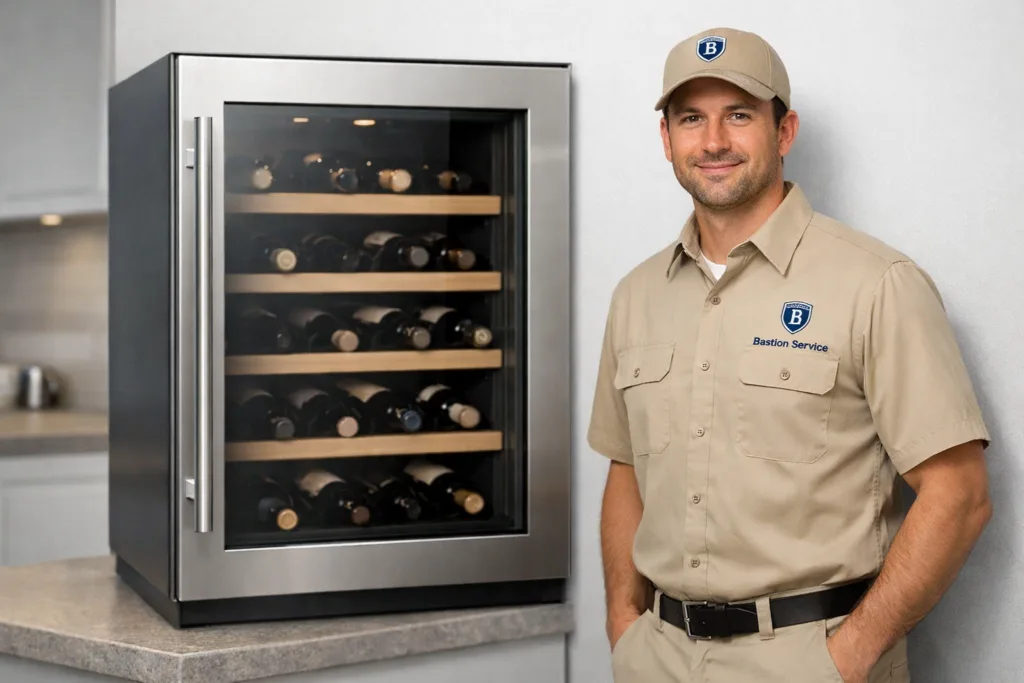




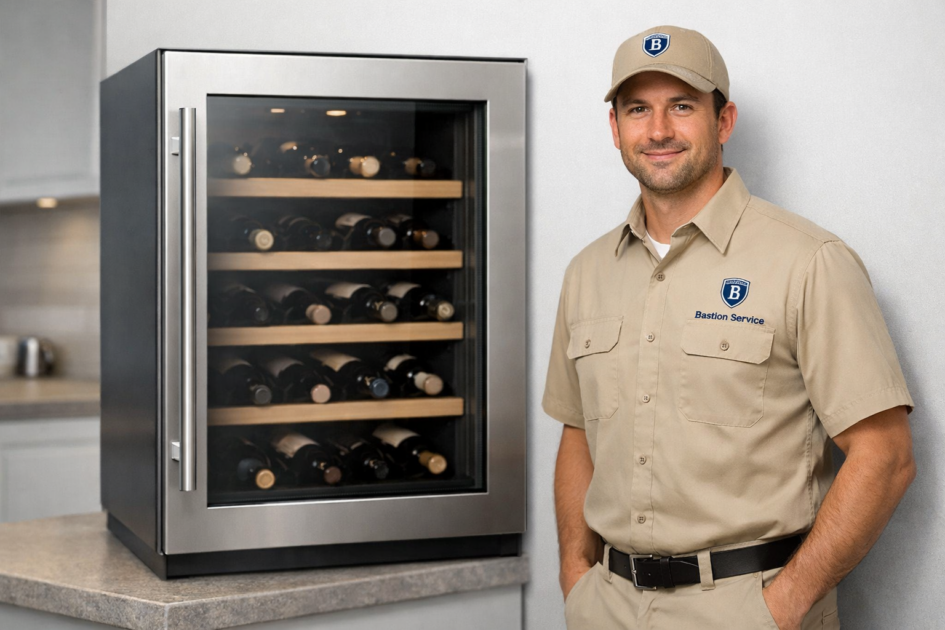
Stable storage matters more in a wine cooler than in many other kitchen appliances. Even when a Fisher & Paykel unit still powers on, lights up, and seems partly functional, small changes in airflow, sensing, or door sealing can lead to noticeable swings inside the cabinet. That is why symptom-based testing is usually more helpful than assuming the first visible issue is the only one.
Common Fisher & Paykel Wine Cooler Problems
Most service calls for residential wine coolers in Redondo Beach fall into a few recognizable symptom patterns. The key is to match the symptom with the part of the system most likely to be failing.
Not Cooling Enough
If the cooler is running but bottles are warmer than expected, several problems are possible. A faulty sensor may be reading cabinet temperature incorrectly, the evaporator fan may not be moving cold air as it should, or the control may not be cycling the cooling system properly. In other cases, the condenser area may be blocked by dust buildup, causing heat to stay trapped and reducing overall cooling performance.
A unit that is slightly warm one day and clearly underperforming the next should not be dismissed as normal variation. Wine coolers are designed for consistency, and gradual warming often points to a fault that is already progressing.
Temperature Swings and Inconsistent Performance
Some units cool, but not steadily. You may notice that one shelf feels colder than another, or that the cabinet seems fine in the morning and too warm later in the day. This can happen when a thermostat or sensor is drifting out of range, when airflow is uneven, or when the control board is not responding correctly to temperature changes.
Door gasket wear can also contribute. If warm air is entering around the seal, the wine cooler may run more often than it should while still struggling to hold the selected setting.
Condensation, Fogging, or Water Buildup
Moisture on the glass, damp shelving, or water collecting near the base of the unit usually means humidity is entering or draining incorrectly. A worn gasket, partial drain blockage, or cooling issue can all create this symptom. In a wine cooler, that matters not just for appliance performance but also for labels, cork condition, and interior cleanliness.
When condensation keeps returning after the door has been closed for a while, it usually suggests more than simple room humidity. The unit may be drawing in warm air or failing to regulate internal conditions the way it should.
Fan Noise, Buzzing, or Rattling
New noises often help narrow the diagnosis. A rattling sound may point to vibration or a loose panel. A buzzing or strained sound can suggest compressor stress. Repetitive clicking may indicate control or start-related trouble. If the evaporator fan is obstructed or wearing out, the sound may change as the door opens or closes.
Some operating noise is normal, but louder or irregular sound paired with poor cooling is a strong sign that the unit should be checked before the problem spreads to other components.
Display and Control Issues
If the display is blank, the buttons do not respond, or the selected temperature will not hold, the problem may be in the interface, wiring, main control, or power supply path. Electrical issues can also imitate cooling problems, because the cabinet may appear to run while key functions are cycling incorrectly in the background.
Why Wine Cooler Diagnosis Needs to Be Specific
Wine coolers are compact appliances, but the systems inside them overlap in ways that can make the wrong repair easy to choose. A cabinet that seems to have a weak cooling problem may actually have an airflow issue. A unit that appears to have a bad sensor may really be struggling because of frost buildup, fan failure, or a poor seal at the door.
For that reason, a proper service visit should confirm whether the issue is mechanical, electrical, airflow-related, or part of the sealed cooling system. That keeps repairs focused and helps avoid replacing parts by guesswork.
Signs the Problem Is Getting Worse
Homeowners often call when the cooler is still operating but no longer behaving normally. These changes usually mean the fault is advancing:
- The cabinet runs longer than it used to
- The exterior feels hotter around the compressor area
- The temperature recovers slowly after the door is opened
- Moisture keeps returning inside the cabinet
- The display works intermittently or resets unexpectedly
- Noise is becoming more frequent or more noticeable
When these symptoms show up together, the appliance is often under strain rather than simply aging normally.
When to Stop Using the Unit Until It Is Checked
Continued use can make sense for a minor issue, but there are cases where letting the cooler keep running may lead to added damage. It is smart to schedule service promptly if the unit is short cycling, failing to cool while running almost constantly, showing repeated condensation around the door, or making harsh mechanical noise.
If the interior temperature is clearly unstable, the appliance may no longer be protecting the contents even though it appears active. In that situation, limiting use is often the safer choice.
Repair or Replace?
Many Fisher & Paykel wine coolers are worth repairing when the cabinet is in otherwise good condition and the problem is isolated to a fan, sensor, control component, gasket, or drainage issue. Built-in fit and finish also matter in residential kitchens, so keeping the existing unit in place can be a practical advantage.
Replacement becomes more likely when the cooler has multiple failures, ongoing sealed-system trouble, or a repair cost that approaches the value of a comparable new unit. Age alone does not decide it. The better question is whether the current problem is a single repairable fault or part of a broader decline in reliability.
What a Service Visit Should Clarify
A useful appointment should determine whether the root cause involves temperature sensing, fan operation, control response, drainage, gasket sealing, or the cooling system itself. It should also show whether the current symptom is creating secondary stress elsewhere in the appliance.
For homeowners in Redondo Beach, the goal is simple: understand what is failing, what the repair path looks like, and whether the wine cooler is likely to return to stable operation after service. That makes it easier to choose the right next step without overcommitting to a repair that may not be worthwhile.
Household Habits That Can Affect Performance
Not every complaint starts with a failed part. A wine cooler can also struggle when air circulation around the unit is restricted, the door is not closing fully, shelves are overloaded, or the appliance is not level. In some homes, what seems like a cooling failure turns out to be a performance issue made worse by installation or daily use conditions.
That does not mean the symptom should be ignored. It means the evaluation should look at both the appliance and how it is operating in the home so the fix actually solves the problem.


