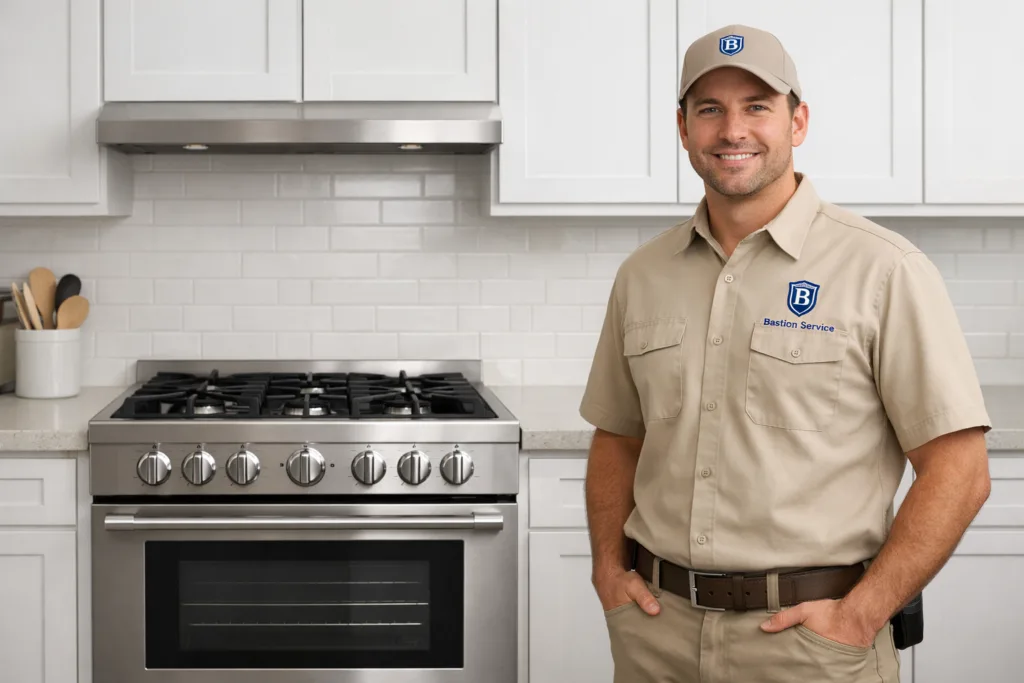
Range problems rarely stay neatly contained. A burner that clicks too long, an oven that runs cool, or a control panel that responds inconsistently can all affect daily cooking in ways that are easy to notice but harder to interpret. The useful next step is to sort the symptom by where it appears, how often it happens, and whether the behavior changes once the appliance has been on for a while.
Cooktop problems that usually need attention
On an Electrolux range, cooktop issues often start as a nuisance and gradually become more disruptive. One burner may fail while the others still work, or the burner may ignite only after repeated clicking. In other homes, the flame lights but looks uneven, or an electric surface element stops responding properly to heat settings.
Common causes vary by model, but the symptom pattern often points in a direction:
- Clicking without ignition: may involve the igniter, electrode, burner cap alignment, moisture around the burner, or a switch problem.
- Weak or uneven flame: can be related to burner assembly issues, obstruction, or poor ignition performance.
- Burner heats too high or too low: often suggests a switch, element, or control fault on electric configurations.
- One burner works intermittently: may indicate a component beginning to fail rather than a complete loss of power.
If the problem appears after cleaning, that detail matters. Moisture, shifted burner caps, or debris around ignition components can create symptoms that look serious at first. If the same burner continues misbehaving after drying and careful reassembly, inspection is usually the better choice.
Oven heating issues and what they often mean
Oven complaints are usually tied to temperature, timing, or uneven cooking results. Homeowners in Culver City often first notice the issue through food: cookies browning too quickly on one side, casseroles taking much longer than expected, or baked dishes coming out underdone in the center even though the cycle appears normal.
Several common symptom patterns can help narrow the problem:
- Slow preheat: may point to a weakening bake element, igniter trouble, sensor issues, or a control problem.
- Broil works but bake does not: often suggests the failure is limited to part of the heating system rather than the full appliance.
- Oven reaches temperature poorly: can indicate a sensor, relay, calibration, or heating component issue.
- Uneven baking across racks: may involve heat distribution problems, a partially failing element, or inaccurate temperature feedback.
- Oven shuts off unexpectedly: can be linked to control faults, overheating protection, wiring problems, or power interruptions.
When the display looks normal but the oven still does not cook correctly, that usually means the problem is deeper than the user interface. Power to the panel does not always mean the heating circuit is operating as it should.
When repeated clicking is more than an annoyance
One of the more common complaints on gas ranges is nonstop or repeated clicking. Sometimes the burner lights and keeps clicking anyway. Other times it clicks without ignition, then works later with no obvious reason.
This behavior can happen because of moisture, misalignment, residue around the burner, a failing spark component, or a switch sending the wrong signal. If the clicking continues after the burner is dry and properly seated, the appliance should not be ignored. Repeated ignition attempts create wear and can make the problem harder to distinguish later.
If there is a persistent gas odor, stop using the appliance and address that safety issue first before arranging repair.
Control panel and electronic symptom patterns
Electrolux ranges often include electronic controls that manage oven functions, timing, and temperature feedback. When those systems begin to fail, the symptoms are not always dramatic. You might see delayed response from the keypad, settings that do not start correctly, a display that works while heating does not, or intermittent error codes that appear and disappear.
These issues matter because electronic faults can mimic other failures. A homeowner may assume the bake element is bad when the real issue is a relay or control board problem. In another case, a sensor reading issue can make the range behave as if the heating element is weak even when the element itself is still intact.
Signs you should stop using the range
Some symptoms justify pausing normal use until the appliance is checked:
- Burners that spark unpredictably or will not shut off normally
- Oven temperatures that swing widely or overheat
- Tripped breakers during operation
- Visible scorching, melting, or signs of overheating around controls or burner areas
- Error conditions that interrupt cooking repeatedly
Continued use in these situations can increase damage to surrounding components and turn a targeted repair into a broader one.
Repair or replace: how homeowners usually decide
For many households, the decision is less about one symptom and more about the overall condition of the appliance. If the issue is isolated to a burner, igniter, heating element, temperature sensor, or another defined component, repair is often a reasonable path. If the range has several unrelated problems, recurring control issues, or obvious wear across multiple systems, replacement may deserve a closer look.
Age alone does not decide the answer. A well-kept range with one clear failure can still be a good repair candidate, while a newer unit with repeated electronic and heating problems may call for a more careful cost comparison.
Helpful details to have ready before service
Symptom history can save time and make testing more focused. Before scheduling Electrolux Range Repair in Culver City, it helps to note:
- Whether the issue affects the cooktop, oven, or both
- Whether the problem is constant or intermittent
- Any error code shown on the display
- Whether the issue started after cleaning or after a power interruption
- Whether one burner or one oven mode failed first
- How the food results changed, such as slower preheat or uneven browning
Those details often make the difference between a vague complaint and a symptom-based diagnosis that leads to the right repair path for your kitchen.
What good range service should accomplish
The goal is not just to restore heat. It is to identify why the symptom is happening, confirm whether surrounding parts were affected, and determine whether the repair is sensible for the appliance as a whole. For homeowners in Culver City, that means getting past guesswork and focusing on the actual cause of the burner, oven, or control failure so the range can return to normal daily use with fewer surprises.