




What homeowners usually notice first
Most Electrolux appliance problems begin with a disruption to a normal routine: food is not staying cold, a washer stops before spin, a dryer runs but clothes remain damp, a dishwasher leaves water behind, or an oven no longer heats the way it used to. In many cases, the first clue is not a total breakdown but a change in performance, sound, timing, or temperature.
For specific Electrolux appliance paths in Culver City, review Electrolux Refrigerator Repair in Culver City, Electrolux Freezer Repair in Culver City, and Electrolux Washer Repair in Culver City.
Those early signs are useful because the same symptom can come from very different causes. An appliance that will not start may have a power supply issue, a latch or switch problem, or a failed control. A unit that still runs but does its job poorly may be dealing with airflow restrictions, drainage trouble, worn moving parts, sensor errors, or temperature regulation faults. Looking at the full symptom pattern helps avoid guessing.
Common Electrolux symptom patterns by appliance
Refrigerator and freezer problems
Electrolux refrigerators and freezers often show trouble through warming temperatures, uneven cooling, frost buildup, water under the unit, loud fan noise, or an ice maker that becomes inconsistent. Some households first notice soft frozen food, spoiled produce, or milk that does not stay cold as long as it should.
These symptoms can point to blocked airflow, door gasket leaks, defrost trouble, sensor issues, fan motor problems, or sealed-system concerns. If temperatures are drifting or frost is spreading, it is smart to address the issue before the appliance is forced to run longer and harder than normal. That is especially important when cooling is still partial, because partial cooling can hide a problem that is actively getting worse.
Washer problems
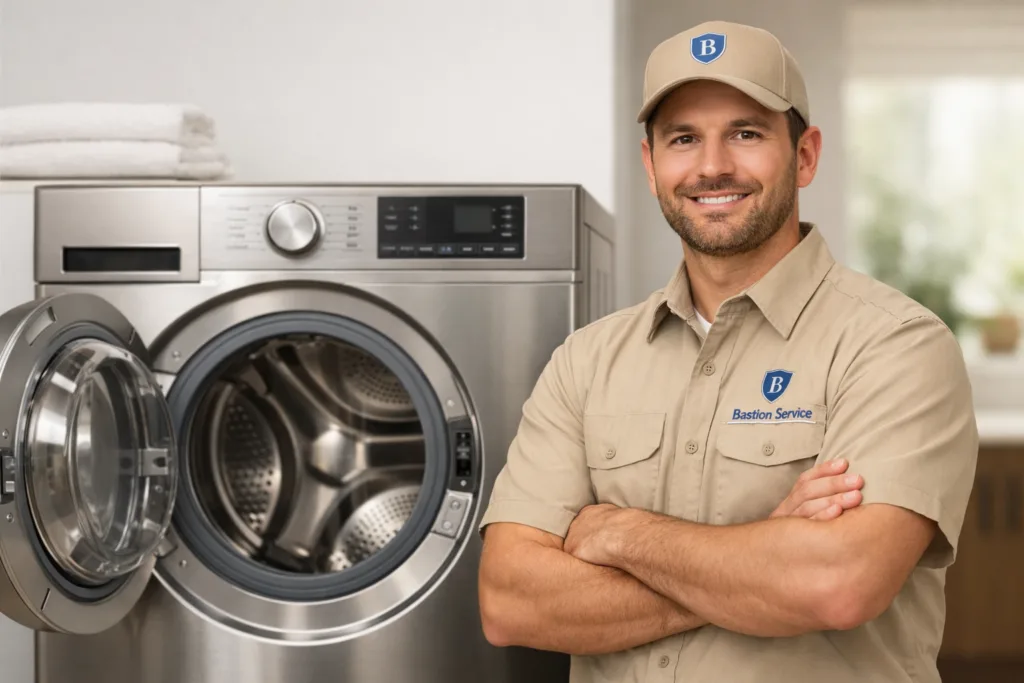
Electrolux washers commonly develop draining issues, spin problems, vibration, leaks, door lock faults, or cycles that stall before completion. Clothes that come out wetter than usual do not always mean a major failure. Sometimes the cause is a drain restriction, an off-balance load condition, a latch issue, or a control problem affecting the cycle sequence.
If the washer is leaking repeatedly, making grinding sounds, or giving off a burning smell, it is better to stop using it until the cause is checked. Even intermittent washer problems are worth attention in Culver City homes, since a machine that only fails occasionally can become harder to trust and may eventually stop mid-load without warning.
Dryer problems
Electrolux dryers often show symptoms such as no heat, weak heat, long dry times, shutting off too early, unusual drum noise, or failure to start. When the dryer runs but clothing stays damp, the issue may involve the heating system, sensors, drum support parts, belt and motor components, or restricted airflow through the venting path.
Homeowners should pay attention to scraping, thumping, or burning odors. Dryer problems tend to spread if the machine is kept in use while a support part, motor-related component, or airflow issue is already under strain. Early attention can keep the repair simpler and help prevent additional wear.
Dishwasher problems
Electrolux dishwashers frequently show trouble through poor draining, weak cleaning results, leaking, failure to fill, failure to dry, or cycles that stop partway through. A dishwasher that leaves residue on dishes may be dealing with spray arm blockage, circulation issues, water heating problems, detergent dispensing faults, or water supply limitations.
Standing water at the bottom of the tub can come from a drain obstruction, pump trouble, or a control issue that prevents proper completion of the cycle. Small leaks matter too. Even a minor drip under or around the door can lead to damage over time if it continues unchecked.
Oven, range, and cooktop problems
Electrolux cooking appliances often show faults through slow preheating, uneven baking, burners that heat inconsistently, ignition issues, temperature swings, or controls that stop responding properly. Some problems are subtle at first, such as meals taking longer than expected or one side of a pan heating more than the other.
If an oven overheats, fails to reach the set temperature, or cycles erratically, the cause may involve sensors, heating elements, relays, igniters, or control components. Cooktops and ranges should also be checked when burner behavior changes noticeably. If there is a persistent gas smell, stop using the appliance and address the safety issue first before arranging repair.
Why diagnosis matters before replacing parts
Electrolux appliances rely on systems that work together, including controls, sensors, switches, valves, motors, fans, heating components, and cooling components. Because of that, one visible symptom rarely identifies one guaranteed failed part. Replacing parts based on assumption can add cost without fixing the original problem.
A proper diagnosis helps answer the questions most homeowners actually care about: whether the appliance is safe to keep using, whether the fault is likely to worsen quickly, whether repair is still economical, and whether the issue is isolated or part of a larger wear pattern. That information makes the next step much easier to judge.
Signs it is time to schedule service
It usually makes sense to arrange an inspection when an appliance is doing any of the following:
- Not cooling, heating, washing, draining, spinning, or drying the way it normally should
- Stopping mid-cycle or needing repeated resets to finish a task
- Making grinding, scraping, buzzing, or repeated clicking sounds that were not there before
- Leaking water, building up frost, leaving standing water, or showing visible overheating
- Displaying recurring error codes or behaving unpredictably from one cycle to the next
- Showing a steady decline in performance even after normal cleaning and basic homeowner checks
Cosmetic wear can wait. Problems involving water, heat, food preservation, electrical behavior, or gas should not. Those are the issues most likely to interrupt daily life and become more expensive if ignored.
Repair or replacement: how homeowners usually decide
In many cases, the question is not whether an Electrolux appliance can be repaired, but whether repairing it is the better decision for the household. That depends on the confirmed fault, the age of the appliance, its overall condition, prior repair history, and whether the unit will still meet everyday needs once fixed.
Repair is often reasonable when the failure is isolated and the rest of the machine is in solid shape. Replacement becomes more likely when there are multiple major problems, repeated breakdowns in a short period, or a costly failure on an older appliance with heavy wear. The key is to base that decision on the actual cause, not just the outward symptom.
A practical approach for Culver City households
For homeowners in Culver City, the most helpful service approach is one that focuses on how the appliance is actually failing in the home. A refrigerator with uneven cooling, a washer that pauses mid-cycle, or a dishwasher that leaks during specific parts of the wash all give useful clues. Those patterns matter more than broad assumptions about brand or appliance type.
Whether the issue involves a refrigerator, freezer, washer, dryer, dishwasher, oven, range, or cooktop, the goal is the same: identify the fault, understand the risk of continued use, and decide on the most sensible repair path for the household. Acting when the symptoms are still manageable often gives you better options than waiting for a complete breakdown.


