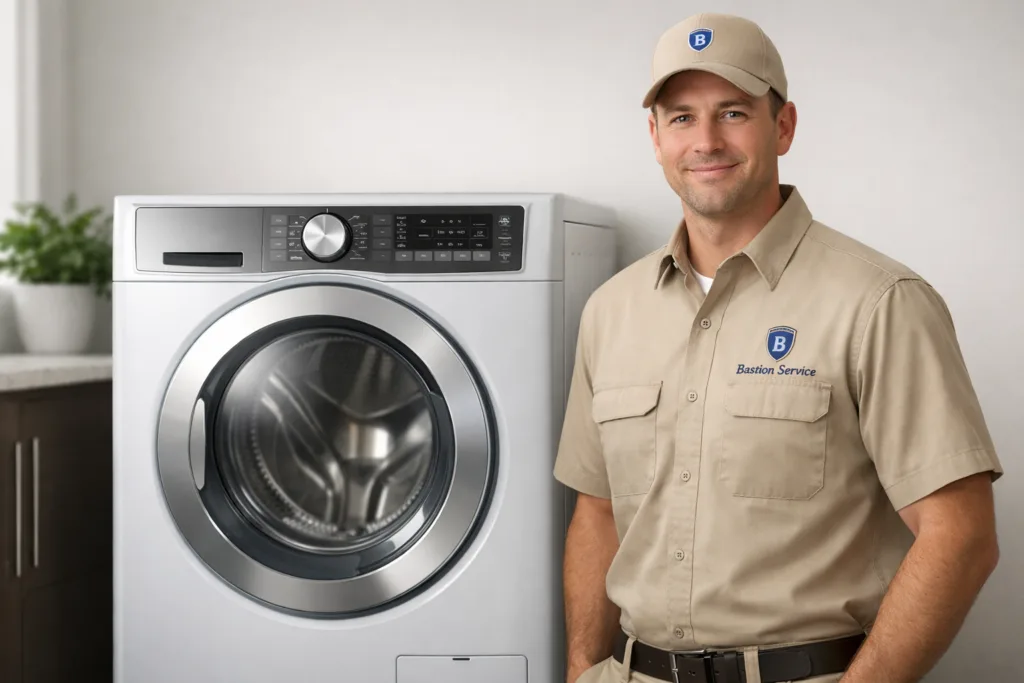
Dryer problems tend to look simple from the outside, but the same symptom can come from several different failures. A load that stays damp might point to a heating problem, weak airflow, a sensor issue, or a control fault. A machine that stops mid-cycle may be overheating, losing motor function, or reacting to a safety device. For homeowners in Culver City, the most useful next step is finding the cause before deciding how far the repair should go.
Common Electrolux dryer symptoms and what they often mean
Dryer runs but there is no heat
If the drum turns normally but clothes remain wet, the problem may involve the heating element, thermostat, thermal fuse, incoming power, wiring, or the control system. On some Electrolux dryers, restricted venting can also cause heat-related protection parts to fail. That is why a no-heat complaint should not be treated as a single-part guess.
This symptom often shows up as cool air in the drum, cycles finishing with little progress, or loads that feel almost unchanged from when they went in. If the dryer used to heat and then suddenly stopped, it is smart to stop running repeated test cycles until the cause is checked.
Dryer gets warm but takes too long to dry
Long dry times usually mean the dryer is heating but not moving moisture out efficiently. Common causes include lint buildup in the vent path, poor airflow, partial blower problems, moisture sensor issues, or heat that is cycling incorrectly. In everyday use, this often looks like towels staying damp, sheets bunching up and finishing unevenly, or normal loads taking two or three cycles.
When this continues, the dryer has to run longer and hotter to do the same work. That can increase wear on heating parts, motors, belts, and support components over time.
Dryer will not start
If nothing happens when you press start, the issue may be related to the door switch, thermal fuse, terminal connection, start circuit, user interface, or main control. Sometimes the display lights up but the cycle will not begin, which can indicate a problem with the door latch system or a control communication fault rather than a total power loss.
Because start failures can come from several points in the machine, this is one of the symptoms where part-swapping tends to waste the most time.
Dryer starts and then shuts off
A dryer that stops before the cycle ends may be overheating, struggling with airflow, developing motor trouble, or losing continuity through a safety component. Some units restart after cooling down, which can make the problem seem inconsistent even when the underlying cause is getting worse.
This is not a symptom to ignore. Repeated shutdowns usually mean the machine is protecting itself from a larger problem.
Dryer is noisy, vibrating, or scraping
Unusual sounds often point to worn drum rollers, glides, an idler pulley, belt wear, a damaged blower wheel, or something caught in the drum support area. The type of sound matters. A squeal can suggest friction at a moving support part, while a thump may indicate something rotating out of round or striking as the drum turns.
If the noise is new, louder than before, or paired with a burning smell, it is better to stop using the dryer until the source is identified.
What can cause one symptom to turn into another
Dryer failures often do not stay isolated. A vent restriction can lead to overheating. Overheating can damage thermal protection parts. Extra run time can strain the motor and support system. A noisy roller or pulley can become a broken belt or a no-start complaint later.
That chain reaction is one reason diagnosis matters. Fixing only the failed part without addressing the condition that caused it can lead to repeat breakdowns and more downtime.
Signs the problem may involve airflow rather than just heat
Airflow issues are common in residential dryers and are easy to mistake for a simple heating failure. In many Culver City homes, the symptom pattern gives the first clue. Watch for signs such as:
- Clothes feel hot but remain damp
- The dryer cabinet seems hotter than usual during operation
- Loads dry better when they are very small
- Lint seems excessive around the door or filter area
- The dryer stops during a cycle and works again after cooling down
- Drying times gradually increase instead of failing all at once
When airflow is weak, the dryer may still produce heat, but the moisture cannot leave the drum efficiently. That causes poor drying performance and unnecessary stress on internal components.
When to stop using the dryer
Some dryer issues are inconvenient. Others can become damaging if the machine keeps running. It is a good idea to pause use and schedule service if you notice any of the following:
- A burning smell that is not from an item left in a pocket
- No heat across multiple cycles
- Scraping, grinding, or high-pitched squealing
- Repeated mid-cycle shutoffs
- Clothes coming out unusually hot
- A drum that turns with a heavy thump or rough movement
- A control panel that behaves erratically or will not accept cycle commands
Continuing to test the machine with load after load can make the final repair larger than it needs to be.
Repair or replace: what usually makes the most sense
Many Electrolux dryer problems are worth repairing, especially when the failure is limited to a heating component, switch, fuse, sensor, belt, roller, pulley, or similar wear part. Replacement becomes a bigger consideration when there are multiple system failures at the same time, a major control issue combined with heavy wear, or evidence that the current problem has caused secondary damage.
A good decision usually depends on:
- The exact part or parts that failed
- The overall condition of the dryer
- Whether the problem has been ongoing for a while
- Whether the repair is likely to restore normal daily use
- Whether poor airflow or another outside condition also needs to be corrected
That is where a clear diagnosis and a practical repair plan are most helpful. Once the actual failure path is known, the repair-versus-replacement choice becomes much easier.
What homeowners in Culver City typically want from an Electrolux dryer repair visit
Most households are not looking for theory. They want to know why the dryer is failing, whether the issue is isolated or part of a bigger wear pattern, and what the next step should be. With Electrolux dryers, that often means separating heat problems from airflow problems, startup issues from control faults, and normal wear from signs of a larger breakdown.
If your dryer is taking too long, not heating, not starting, stopping during the cycle, or making new mechanical noise, the best path is to evaluate the symptom pattern before more parts fail. That keeps the repair focused on the actual cause and helps avoid repeat problems with the same machine.