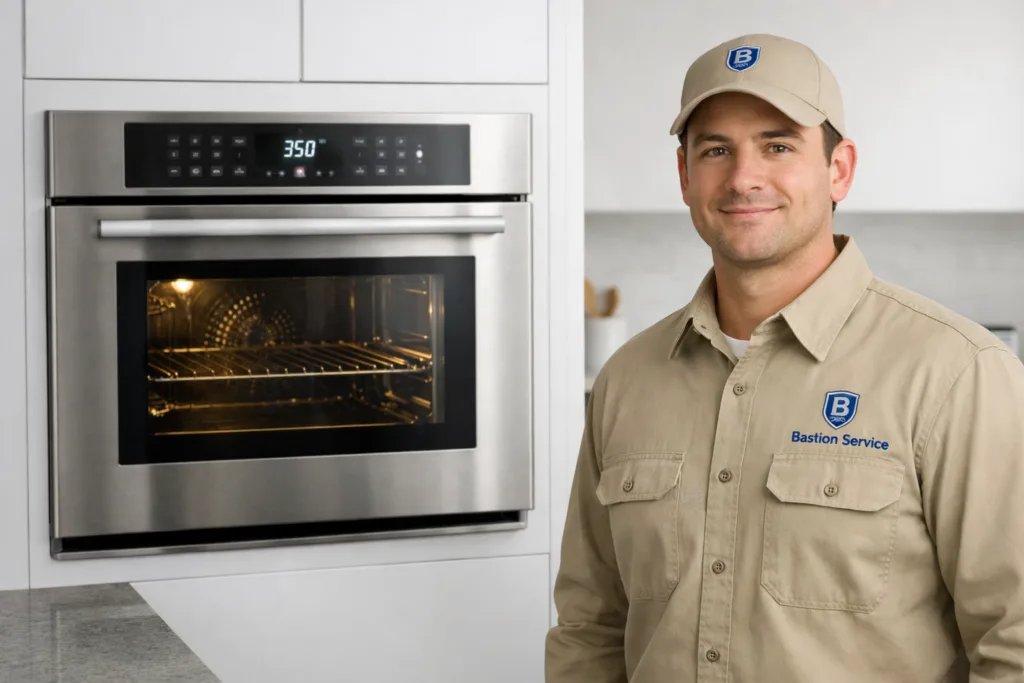
Oven problems are easiest to solve when the symptom is defined clearly. An Electrolux oven that will not heat, drifts away from the set temperature, or shuts off unexpectedly may point to very different failures depending on whether the issue starts during preheat, while baking, or only on certain settings. That distinction matters because replacing parts based on guesswork often adds cost without fixing the real problem.
Start with the exact oven behavior
Most Electrolux oven failures fall into a few recognizable patterns. Paying attention to what the oven does before, during, and after a cycle can help narrow down whether the problem is tied to heating components, temperature sensing, the electronic control, the door system, or the incoming power supply.
Not heating at all
If the oven stays cold, the cause may be a failed bake element, a weak or failed igniter on gas models, a blown fuse, damaged wiring, or a control problem that is not sending power where it should. In some cases, the display may appear normal even though the heating circuit is not working, which is why a powered-on oven can still fail to bake.
Slow preheat
When preheating starts but takes much longer than normal, the oven may be operating with a weak heating component rather than a completely failed one. A bake element can partially fail, an igniter can weaken enough to delay ignition, or a sensor can feed inaccurate temperature information to the control. Slow preheat is often an early warning sign rather than a minor inconvenience.
Uneven baking or hot spots
Cookies browning on one side, casseroles cooking around the edges but not in the center, or different results from rack to rack can point to poor heat distribution. Common reasons include a failing convection fan, a sensor that is reading inaccurately, a weak element, or a door gasket that is allowing heat to escape. On some models, control issues can also interrupt proper temperature cycling.
Temperature swings during cooking
Some cycling is normal, but wide swings are not. If the oven overshoots, drops too low, or produces inconsistent baking results from one day to the next, the temperature sensor, relay system, or control board may be involved. This type of problem is especially frustrating because it can look like a recipe issue until the pattern becomes obvious.
Controls not responding
An unresponsive panel, blank display, or buttons that work only sometimes may indicate a failed control board, damaged touch interface, loose connection, or power problem. If the oven comes back on intermittently, that usually suggests an electrical fault that should be checked before continued use.
Common Electrolux oven issues seen in West Hollywood homes
In residential kitchens, oven trouble often starts with subtle changes before a full breakdown happens. Homeowners usually notice one or more of these signs first:
- Preheat that keeps getting slower
- Food finishing too early or too late at the same set temperature
- The oven turning off before the cycle is done
- Error codes that return after being cleared
- A door that does not close tightly or lock correctly
- Clicking, sparking, burning smells, or visible element damage
These symptoms matter because continued use can sometimes worsen the failure. A damaged element can create more electrical stress, a weak igniter can lead to repeated ignition trouble, and a door that does not seal properly can distort temperature performance across every cycle.
Why uneven baking is not always a heating element problem
It is common to assume that poor baking results automatically mean the bake element has failed. Sometimes that is true, but uneven performance can also come from the sensor, convection system, control calibration, or even heat loss around the door. If one part is replaced without confirming the cause, the oven may still perform poorly afterward.
That is why symptom-based testing is so important. If the oven heats eventually but does not hold temperature, the repair path may be very different from an oven that never begins heating at all. Bastion Service helps West Hollywood homeowners sort out those differences before deciding whether repair is practical.
Door, latch, and self-clean problems
Door-related issues can affect more than convenience. A hinge problem, worn gasket, or latch fault can interfere with heat retention, cause self-clean interruptions, or prevent the oven from starting on certain models. If the door will not lock or unlock after self-clean, the latch system, thermal protection components, or control may need attention.
High-heat self-clean cycles can also expose parts that were already weakening. It is not unusual for an oven to show new problems after self-clean if a sensor, control, or latch assembly was already near failure.
When repair usually makes sense
Repair is often worthwhile when the problem is limited to a single functional area and the oven is otherwise in solid condition. That commonly includes issues involving:
- Bake or broil elements
- Igniters
- Temperature sensors
- Door gaskets or latch assemblies
- Certain control or relay-related failures
If the oven has been reliable up to this point, a targeted repair can often restore normal cooking without the cost and disruption of replacement.
When replacement may be the better path
Replacement becomes more likely when the oven has multiple major faults at once, repeated electronic failures, severe internal wiring damage, or repair costs that approach the value of a newer unit. Age alone does not decide the issue, but age combined with several symptoms usually changes the recommendation.
A good service visit should not push repair at all costs. It should identify what failed, what else shows wear, and whether fixing the current problem is likely to provide a reasonable remaining service life.
What to do before scheduling service
Before assuming the oven needs a major repair, it helps to note a few details:
- Whether the problem happens on bake, broil, convection, or all modes
- If the display is working normally
- Whether the issue started suddenly or worsened over time
- If the problem appeared after a self-clean cycle
- Any error code shown on the control
That information can make diagnosis faster and more accurate, especially when the symptom is intermittent.
Choosing service for an Electrolux oven in West Hollywood
The best repair approach is to match testing to the symptom pattern instead of treating every heating complaint the same way. Whether the problem is slow preheat, inaccurate temperature, a dead display, or a door that will not lock correctly, the goal is to pinpoint the failed component and determine the most sensible next step for the household.
If the oven is tripping power, showing persistent error codes, failing to regulate heat, or producing signs of electrical damage, it is wise to stop using it until it can be checked. Early service often prevents a smaller oven problem from turning into a broader and more expensive one.