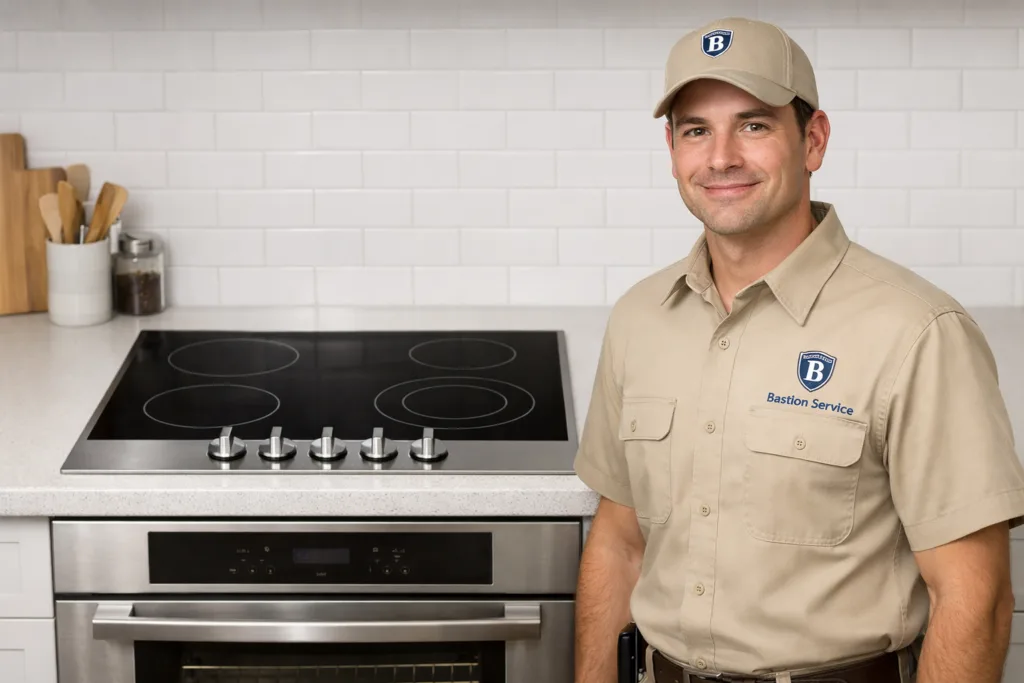
Cooktop problems rarely stay limited to convenience. A burner that will not ignite, a heating zone that runs too hot, or controls that respond inconsistently can interrupt daily cooking and create avoidable wear on the appliance if the issue is left unresolved. With Electrolux cooktops, the best repair path depends on the exact symptom, whether the problem affects one burner or several, and whether the fault is tied to ignition, surface components, or the control system.
Common Electrolux cooktop problems in West Hollywood homes
Many service calls begin with a symptom that seems simple on the surface but can have several possible causes. A single burner problem may point to a localized part failure, while multiple burners acting up at once often suggests a shared electrical or ignition issue. Looking at the pattern matters.
- Burners that click but do not light
- Electric elements that do not heat or overheat
- Controls that do not change the heat level correctly
- Intermittent operation during normal cooking
- Continuous clicking after a burner is turned off
- Cracked glass or visible surface damage
In West Hollywood households, these issues tend to become urgent quickly because cooktops are used frequently and heat control needs to be predictable for everyday meals.
Burner not igniting or clicking repeatedly
On gas models, repeated clicking without ignition is one of the most common complaints. Sometimes the cause is minor, such as a misaligned burner cap, residue blocking burner ports, or moisture around the igniter. In other cases, the issue is tied to a failing spark igniter, ignition switch, spark module, or wiring problem.
If only one burner is affected, the problem may be isolated to that burner assembly. If several burners click erratically or fail to light around the same time, the diagnosis may shift toward a shared ignition component. Persistent clicking should not be ignored, especially when the burner is slow to light or only ignites occasionally.
Burner heats too high, too low, or not at all
Electric and induction-style Electrolux cooktops can develop heat regulation issues that show up as poor responsiveness or temperatures that do not match the selected setting. A burner that stays too hot may involve a failed infinite switch, sensor issue, or control fault. A burner that does not heat at all may point to a failed element, damaged connection, or board problem.
These symptoms are frustrating because they affect cooking results right away. Food may scorch on one setting, then cook too slowly on another. If temperature changes do not produce consistent results, the problem usually goes beyond normal wear and calls for component testing.
Signs the issue may be electrical rather than surface-level
- The burner works intermittently without a clear pattern
- Heat level changes do not match the control setting
- Multiple burners show unusual behavior
- The cooktop shuts off unexpectedly during use
- Controls feel normal but the burner response is wrong
Uneven flame or inconsistent heating performance
Uneven heating can show up differently depending on the model. On gas cooktops, the flame may look weak, irregular, or incomplete around the burner head. On electric surfaces, the burner may cycle too aggressively or fail to maintain a steady cooking temperature. In both cases, the result is unreliable performance that makes routine cooking harder than it should be.
The underlying cause may involve burner components, a heat sensor, the switch, or the main control system. Because uneven heating can overlap with ignition or regulation problems, it is important to identify whether the fault is mechanical, electrical, or both.
Control problems and unresponsive settings
When the controls stop responding normally, the issue may involve a worn switch, a failed touch control interface, damaged wiring, or an electronic control fault. Some homeowners first notice this when a burner turns on but cannot be adjusted properly. Others see the opposite problem: the controls appear active, but the cooking zone does not respond.
These faults are especially important on an Electrolux cooktop because heat regulation is part of normal safe operation. If the appliance cannot reliably follow the selected setting, continued use can become unpredictable.
Cracked glass and visible surface damage
A cracked glass cooktop is not just a cosmetic concern. Surface damage can affect stability, heat transfer, and overall safety. Depending on the location and severity of the crack, repair may or may not be practical. Damage near active heating zones or controls often changes the recommendation significantly.
Loose knobs, damaged burner bases, or warped components can also affect daily use. In these situations, the condition of the full cooktop matters as much as the original symptom. A repair decision should consider both the failed part and the overall state of the appliance.
When to stop using the cooktop
Some symptoms allow limited caution while waiting for service, but others are clear stop-use issues. It is safer to discontinue use when:
- A gas burner will not ignite reliably and continues clicking
- There is a strong or persistent gas odor
- An electric burner overheats or will not cycle down
- The glass surface is cracked
- A burner turns on or off unpredictably
- Controls do not respond consistently
Continuing to use a malfunctioning cooktop can turn a single failed part into a broader repair. Overheating can strain controls, and ignition problems can put added stress on the spark system.
How repair decisions are usually made
Whether repair makes sense often comes down to the location of the fault, the condition of the cooktop, and the likely reliability after the work is completed. A single burner component, switch, or igniter problem is often a straightforward repair when the rest of the appliance is in good shape. The decision becomes harder when there are multiple failures, major surface damage, or recurring control issues.
For West Hollywood homeowners, it usually helps to weigh three practical questions:
- Is the problem isolated or affecting several systems at once?
- Is the cooktop otherwise in solid condition?
- Will the repair restore dependable day-to-day cooking performance?
A good diagnosis answers those questions before unnecessary parts are replaced.
What a service visit should clarify
A useful appointment should do more than confirm that the cooktop is not working. It should identify the failed component, check for related damage, determine whether continued use risks additional problems, and outline whether repair is the sensible next step. That gives the household a practical repair plan based on the actual symptom pattern rather than guesswork.
Why symptom patterns matter with Electrolux cooktops
Two cooktops can show the same basic complaint and need very different repairs. For example, a burner that will not heat may be dealing with a failed surface element, while another with the same complaint may have a switch or control issue instead. A burner that clicks continuously may need cleaning and adjustment in one case, but a spark module or switch replacement in another.
That is why symptom-based testing is so important for Electrolux Cooktop Repair in West Hollywood. The right repair depends less on the label of the problem and more on how the appliance behaves before, during, and after use.