
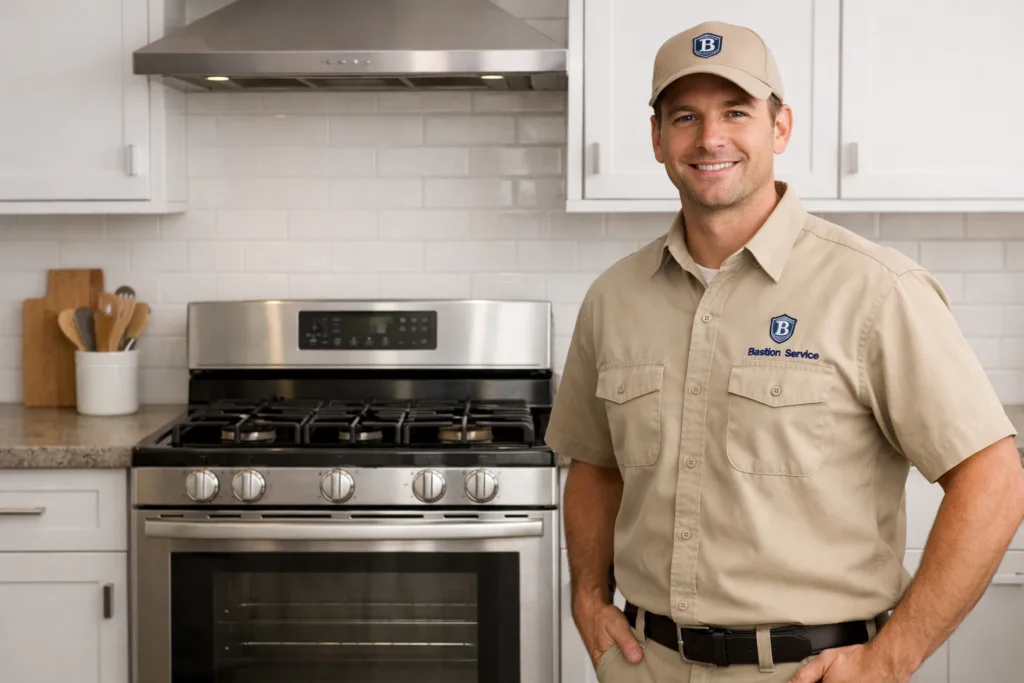




Common LG oven problems in Cheviot Hills homes
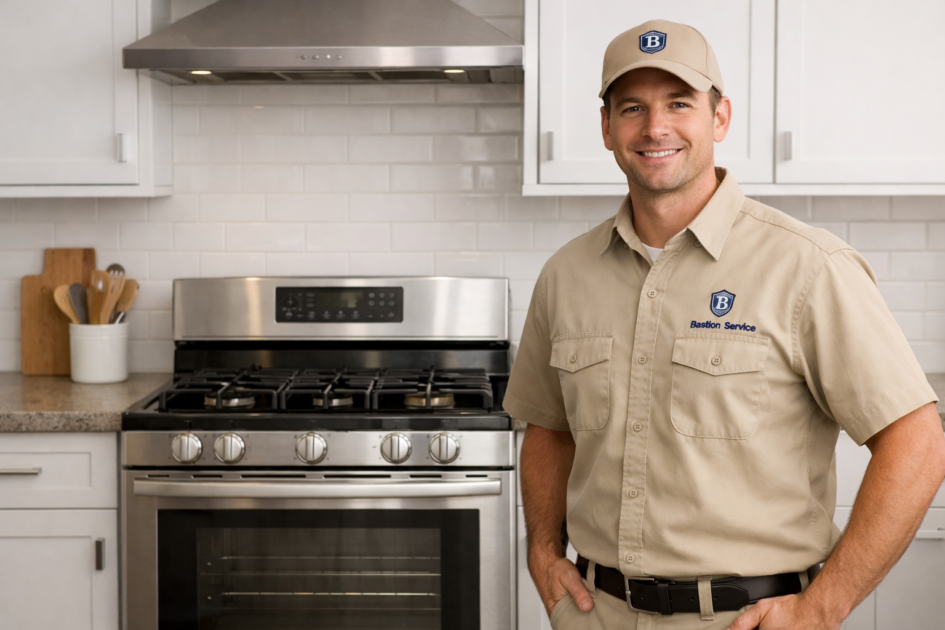
LG ovens can fail in ways that look similar at first but lead to very different repairs. A unit that powers on without heating, one that preheats slowly, and one that overheats may all involve different components. Looking at the exact symptom pattern helps narrow down whether the issue is related to heat production, temperature sensing, controls, door sealing, or power supply.
Related LG and oven service paths in Cheviot Hills include LG Appliance Repair in Cheviot Hills, Oven Repair in Cheviot Hills, and LG Refrigerator Repair in Cheviot Hills.
Oven not heating at all
If the display works but the oven never gets warm, the fault may be tied to the bake element, broil element, igniter on gas models, a relay, wiring, or the electronic control. In some cases, only one heating function fails, which can help point to the affected circuit. For example, if broil works but bake does not, that usually suggests a more specific failure than a complete power loss.
Slow preheat and uneven baking
These are some of the most common complaints because they often build gradually. Meals may start taking longer than expected, cookies may brown more on one side, or casseroles may come out cooked on top but underdone in the center. Possible causes include a weakening element, a sensor that is reading temperature inaccurately, poor heat cycling, or airflow problems inside the cavity.
When this symptom has been going on for a while, homeowners sometimes adjust recipes or add extra time without realizing the oven itself has drifted out of normal operation. That can make the problem feel inconsistent even when the appliance is failing in a repeatable way.
Temperature swings or overheating
An oven that runs too hot can scorch food, damage cookware, and place extra stress on internal parts. This can happen when the sensor sends incorrect readings, when a control board is not cycling heat properly, or when a relay sticks. If the oven is far above the selected setting, continued use is not a good idea until the cause is identified.
Door, latch, and control problems
Not every oven repair starts with a heating complaint. Some LG ovens develop door alignment issues, latch failures, touchpad problems, display glitches, or error codes that interrupt normal use. A bad seal or door that does not close fully can also affect temperature stability, making baking results unreliable even if the heating system is still operating.
What certain symptoms can mean
Symptom-based troubleshooting is useful because it helps separate lookalike problems.
- The oven turns on but stays cold: often points to a failed heating component, igniter, relay, or control output issue.
- Preheat takes much longer than before: may suggest weak heat output, sensor drift, or a cycling problem.
- Food cooks unevenly from rack to rack: can indicate inconsistent temperature regulation or poor heat distribution.
- The oven overshoots the set temperature: more often tied to sensing or control faults than normal calibration.
- The display flashes errors or stops responding: may involve the interface, control board, or communication between components.
- The door will not latch or unlock properly: can affect safety functions and may leave the oven unusable.
Why correct diagnosis matters before parts are replaced
With LG ovens, replacing parts based only on a general symptom can lead to unnecessary cost and no real fix. An oven that will not reach temperature, for example, might have a bad sensor, a failing element, a wiring issue, or a control fault. Those repairs are not interchangeable.
This is also why error codes should be treated as clues rather than final answers. The code may point toward the affected system, but testing is still needed to confirm whether the problem is with the sensor, the harness, the control, or another related part.
When the issue is more urgent
Some oven problems are frustrating but manageable for a short time. Others should be addressed promptly because they raise safety or reliability concerns. You should stop using the oven and arrange service sooner if you notice any of the following:
- Burning smells that do not match normal cooking residue
- Sparking, arcing, or visible damage to heating elements
- Repeated breaker trips during preheat or baking
- Controls that start, stop, or change settings unpredictably
- A door that will not close securely or will not unlock after a cycle
- Temperatures that are clearly much hotter than the selected setting
For gas LG ovens, a persistent gas smell should always be taken seriously. Stop using the appliance and follow appropriate gas safety steps before arranging repair.
Repair or replacement: how homeowners usually decide
For many households in Cheviot Hills, repair makes sense when the problem is isolated and the oven is otherwise in solid condition. A single failed heating part, sensor, igniter, or door component is often worth addressing if the rest of the appliance has been dependable.
Replacement becomes more reasonable when there are repeated major failures, multiple unrelated issues at once, significant control or wiring damage, or signs that the oven has been declining across several functions. The best decision usually depends on the exact fault, the condition of the appliance overall, and whether the repair is likely to restore normal everyday cooking without repeated follow-up problems.
Helpful details to note before service
A few observations from daily use can make diagnosis more efficient. Before scheduling, it helps to note:
- Whether the oven fails every time or only on certain settings
- Whether bake, broil, and convection behave differently
- Whether preheat completes or stalls
- Any error code shown on the display
- Whether the problem started suddenly or developed over time
- Whether the door closes and seals normally
These details often reveal whether the issue is likely tied to heat generation, temperature feedback, control response, or mechanical door operation.
What homeowners in Cheviot Hills can expect from oven repair planning
The most useful service approach is one that matches the repair path to the actual symptom, not just the model type. In some cases, the fix is straightforward. In others, the signs may show that more than one component has been affected, especially after overheating, electrical stress, or repeated failed cycles.
For homeowners in Cheviot Hills who rely on the oven for daily meals, baking, or holiday cooking, the goal is simple: restore stable, predictable performance without guessing at parts. When the symptom is properly traced, it becomes much easier to decide whether repair is the right next step and what kind of result to expect from it.


