
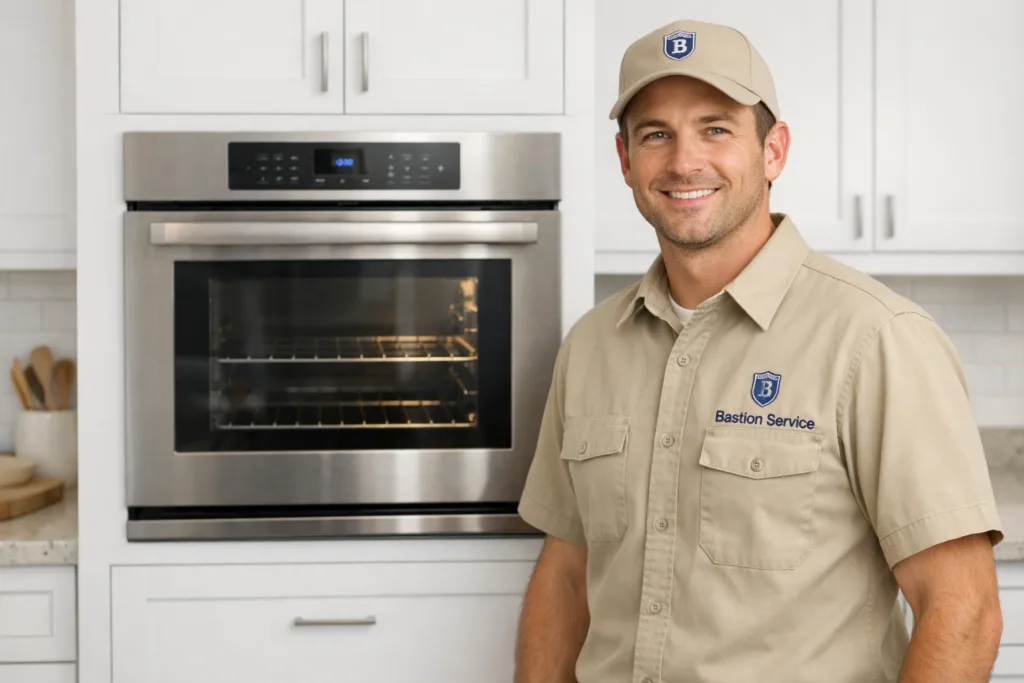




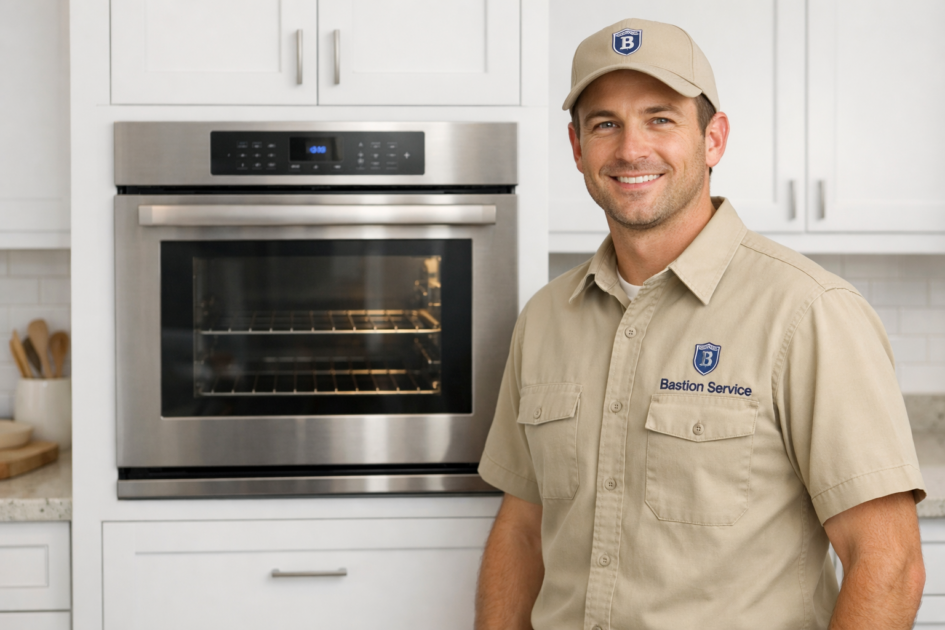
Oven problems rarely stay minor for long. A unit that heats inconsistently, struggles to preheat, or shuts off mid-cycle can affect everything from weekday dinners to weekend baking. The most useful first step is to identify whether the issue comes from ignition, heating components, temperature sensing, controls, wiring, or a door-seal problem, since similar symptoms can point to very different repairs.
For more specific oven help in Cheviot Hills, review Appliance Repair in Cheviot Hills, Asko Oven Repair in Cheviot Hills, and Blomberg Oven Repair in Cheviot Hills.
Common oven symptoms and what they often mean
Uneven baking is one of the first issues many homeowners notice. Cookies may brown too quickly on one side, casseroles may stay cool in the center, or dishes may need much longer than expected to finish. In many cases, that points to a weak bake element, a failing sensor, poor heat circulation, or a control that is no longer regulating temperature accurately.
Slow preheat is another common complaint. On electric models, a damaged bake or broil element may still glow or warm slightly while failing to produce enough heat. On gas models, a weak igniter can delay burner ignition and keep the oven from reaching the selected temperature on time. If the oven appears to run but cooking results keep getting worse, the problem may be building gradually rather than appearing all at once.
Some kitchens show symptoms across more than one cooking surface. If oven performance drops while the top burners also show inconsistent heating, the broader appliance setup may need to be considered alongside Cooktop Repair in Cheviot Hills.
Signs the problem may be getting worse
Longer preheat times, temperature swings, repeated clicking, error codes, or an oven that only works on certain settings usually suggest wear that is spreading beyond a single simple part. A door that will not close properly can also cause heat loss and poor cooking results. If you notice burning smells, sparking, breaker trips, or a unit that will not shut off correctly, it is best to stop using it until the cause is identified.
Why accurate diagnosis matters
A no-heat complaint can come from several sources. Electric ovens may have a failed bake element, damaged wiring, or a control relay problem. Gas ovens often point to an igniter that no longer pulls the right amperage to open the gas valve reliably. A display that lights up normally does not always mean the heating system is working correctly underneath.
Temperature complaints can also be misleading. An oven that runs hot, runs cool, or cycles erratically may have a defective sensor, calibration issue, relay fault, or insulation and seal problem that affects heat retention. Good troubleshooting helps separate a straightforward parts replacement from a larger repair decision.
In homes with a combined cooking appliance, symptoms can overlap between the oven cavity and surface burners. When both areas are involved, it can be helpful to compare the full unit condition with Range Repair in Cheviot Hills.
Built-in and freestanding oven issues are not always the same
Freestanding ovens, slide-in units, and built-in models can fail in similar ways, but service access and component layout are often different. Built-in installations may have tighter cabinet clearances, different cooling patterns, and model-specific control configurations. That can affect how heating failures, door issues, and control faults are diagnosed and repaired.
If the appliance is installed into cabinetry rather than paired with a standard freestanding body, that broader setup may align more closely with Wall Oven Repair in Cheviot Hills.
When to stop using the oven
It is usually wise to stop using the oven if you smell gas, notice electrical burning odors, see visible arcing, or find that the appliance overheats or will not turn off. Continued use can damage additional parts and may create a safety concern in the kitchen. Even if the problem seems occasional, intermittent faults often become complete failures at the worst time.
If the issue appears tied to the full cooking appliance rather than the oven alone, especially when burner ignition or top-surface heating is also affected, the situation may overlap with Stove Repair in Cheviot Hills. Looking at the full symptom pattern can help avoid repeated service calls for related problems.
Repair or replace?
Repair is often the sensible choice when the failure is limited to a heating element, igniter, sensor, switch, seal, or another clearly identified part and the oven is otherwise in solid condition. Replacement becomes more worth considering when there are multiple failing systems, severe cavity damage, repeated control problems, or poor parts availability.
Age matters, but overall condition matters more. A well-maintained oven with one failed component may have plenty of useful life left after repair, while a newer unit with ongoing electronic issues may be less practical to keep. The right decision usually depends on total repair cost, expected reliability after the fix, and how heavily the appliance is used in the home.
What homeowners in Cheviot Hills can expect from oven service
For households in Cheviot Hills, the main goal is restoring safe, predictable cooking performance without guesswork. Whether the problem involves no heat, weak heat, uneven baking, control issues, or a door that no longer seals properly, symptom-based diagnosis helps narrow down the real cause and determine the next step with confidence.
Addressing oven problems early can prevent more disruptive failures later, especially when preheat times are lengthening or cooking results are becoming less consistent. A focused evaluation makes it easier to decide whether the fix is simple, whether the appliance should stay off until repaired, and whether repair remains the better long-term choice for everyday household use.


