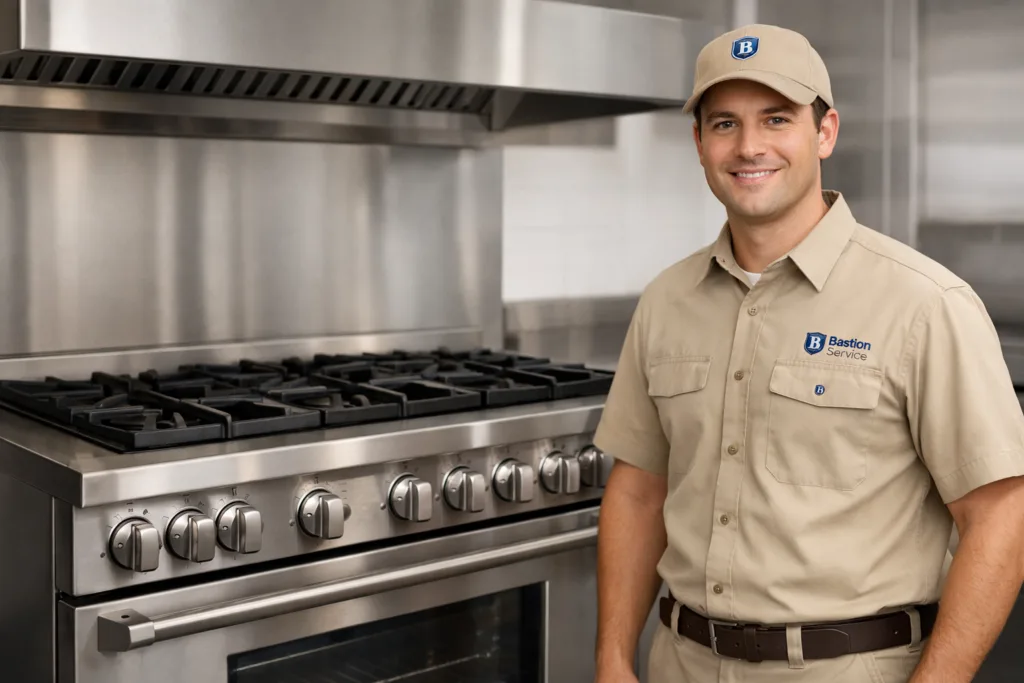




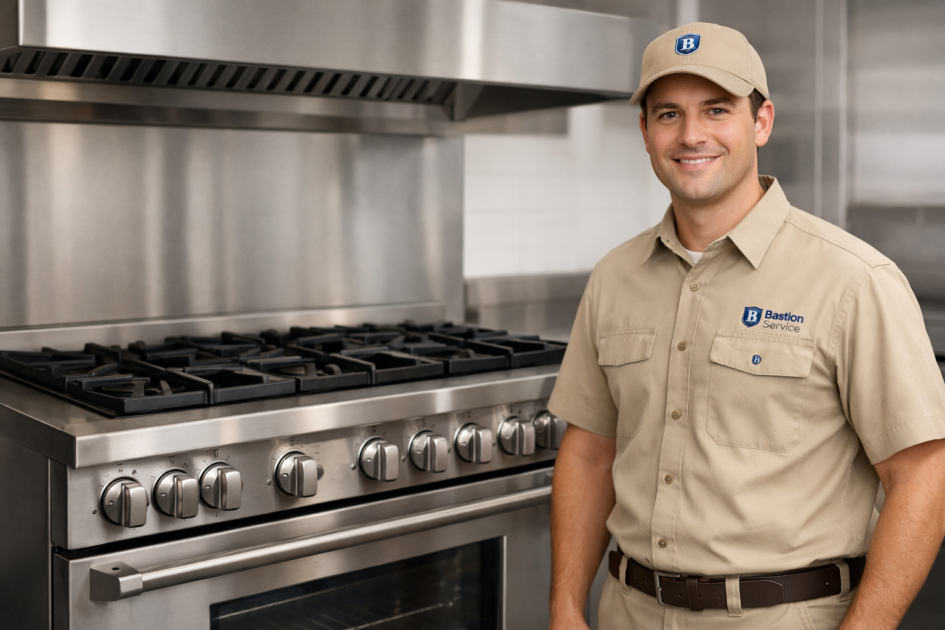
Range problems can disrupt prep, slow service, and create inconsistency across the line. When a Wolf unit starts misfiring, heating unevenly, or failing to recover temperature, the next step should be a symptom-based inspection that identifies the actual failed system before parts are approved or schedules are rearranged. For businesses in Santa Monica, timely repair service helps limit downtime and reduces the risk of a smaller fault turning into a broader equipment problem.
Related commercial service paths in Santa Monica include Wolf Commercial Repair in Santa Monica, Wolf Oven Repair in Santa Monica, and Wolf Fryer Repair in Santa Monica.
What a Wolf range diagnosis should confirm
Many range issues look similar during daily use, but the root causes can be very different. A burner that will not light may be dealing with an ignition fault, gas flow restriction, electrode problem, switch failure, or wiring damage. Temperature swings may point to controls, sensing components, heat distribution issues, or multiple worn parts affecting performance at once.
A useful diagnosis should answer a few important questions:
- Which system is actually failing
- Whether the problem is isolated or part of larger wear
- If the unit can return to steady operation with targeted repair
- Whether continued use is likely to increase repair scope
That information helps managers make better decisions about scheduling, budgeting, and how long the equipment can realistically stay in rotation.
Common Wolf range symptoms and what they often indicate
Burners will not light or keep clicking
If a burner clicks repeatedly without lighting, lights only after several attempts, or stops igniting reliably during service, the issue may involve the igniter, electrode, burner assembly, switch components, or gas delivery. In some cases, moisture, residue, or wear around burner parts affects ignition consistency. In others, the problem is electrical and becomes more obvious once the range is hot and under load.
Repeated relighting tends to slow production and can hide a problem that is getting worse. If ignition is inconsistent across more than one burner, diagnosis should check whether the fault is isolated to one assembly or tied to a shared control or power issue.
Weak flame or uneven burner output
A weak flame, uneven flame pattern, or burners that do not seem to deliver normal heat can affect sauté stations, holding times, and overall line rhythm. This symptom can be related to blocked burner ports, valve issues, regulator concerns, or wear that prevents proper heat delivery.
Uneven output is often treated as a minor inconvenience at first, but it can lead to longer cook times, inconsistent product quality, and staff workarounds that reduce efficiency. If one side of the range is performing differently from the other, the inspection should compare burner behavior across the full unit rather than focusing on a single complaint.
Oven section not heating properly or holding temperature
When the oven portion of a Wolf range heats slowly, overshoots, runs cool, or struggles to hold set temperature, likely causes can include sensor problems, thermostat or control faults, ignition issues, or heat-related component wear. Temperature instability is especially disruptive when the unit is relied on for repeatable batch cooking or timed production.
Symptoms may include longer preheat times, uneven browning, inconsistent cooking from one rack position to another, or a unit that cycles irregularly. These signs usually point to the need for testing rather than guesswork, because replacing the wrong part does not solve the underlying control issue.
Intermittent shutdowns or inconsistent response
If the range starts normally but loses heat, drops out during use, or responds unpredictably, the problem may involve switches, safety components, internal wiring, or connections affected by prolonged heat exposure. Intermittent behavior can be difficult for staff to predict and often becomes more frequent as service periods get busier.
This type of fault should be addressed promptly because it tends to worsen over time. What begins as an occasional reset or delayed response can become a full no-heat or no-start condition.
Burner odor, scorching, or visible wear
Physical signs matter. Scorching near controls, loose knobs, damaged burner parts, abnormal clicking, and visible heat damage may suggest the issue is not limited to the most obvious symptom. A proper inspection should look at surrounding components to see whether nearby parts have also been affected.
Visible wear does not always mean the range is near the end of its useful life, but it does mean repair decisions should account for overall condition, not just the immediate complaint.
Why ranges stop lighting, heating, or holding temperature
These complaints usually come back to a few systems: ignition, burner operation, temperature control, gas flow, or electrical response. A range may fail in one area while still appearing usable in another, which is why partial operation can be misleading. For example, top burners may still function while the oven section struggles, or one burner may work normally while the rest show delayed ignition.
Common causes include:
- Worn or failing ignition components
- Blocked or deteriorated burner parts
- Control or sensor problems affecting heat regulation
- Gas delivery issues that reduce flame strength
- Heat-damaged wiring or electrical connections
- General wear from long-term daily use
The key is determining which cause matches the actual symptom pattern. Similar complaints often require very different repairs.
When to schedule repair instead of working around the problem
Businesses often keep a range in service as long as it still operates in some form, but workarounds can increase the eventual repair scope. If staff are repeatedly relighting burners, avoiding certain sections of the unit, compensating for temperature drift, or shifting production to other equipment, the range is already affecting workflow.
Service should be scheduled when you notice:
- Ignition delays that are becoming routine
- Burners that no longer deliver normal heat
- Oven temperatures that cannot be trusted
- Controls that are slow, erratic, or unresponsive
- Shutdowns that interrupt active production
- Signs of heat damage around operating components
Delaying service can turn a single-component repair into a larger job if surrounding parts continue operating under stress.
Repair versus replacement: how businesses usually decide
Not every Wolf range problem points to replacement. In many cases, repair is the right move when the failure is specific, the frame and core systems remain in solid condition, and the expected result is stable return to service. Replacement becomes more likely when there are repeated breakdowns, multiple system failures, or visible wear across key operating components.
Most decisions come down to a few factors:
- The exact components that have failed
- The overall condition of the range
- Recent service history and repeat issues
- How critical the unit is to daily production
A good inspection helps separate a manageable repair from a unit that is becoming unreliable as a whole.
How to prepare for a service visit
Before scheduling repair, it helps to gather a few details from staff who use the range every day. The most useful information usually includes when the problem started, whether it affects all burners or only certain sections, whether the issue appears after preheating, and whether performance changes during peak use.
You can also note:
- Any clicking, odor, or shutdown behavior
- Whether the oven runs hot, cold, or inconsistently
- If the problem is constant or intermittent
- Whether recent cleaning or maintenance changed performance
This kind of symptom history can make diagnosis more efficient and help narrow down likely failure points faster.
Service-focused support for Santa Monica businesses
Bastion Service helps Santa Monica businesses evaluate Wolf range problems based on how the unit is actually failing in day-to-day operation, not just on a broad description of “not working.” Whether the issue involves ignition trouble, burner performance, oven heating, or unstable controls, the goal is to identify the cause, explain the repair path, and help you decide the next step with as little disruption as possible. When range performance starts affecting output, scheduling service early is usually the most practical way to protect uptime and restore consistent operation.