
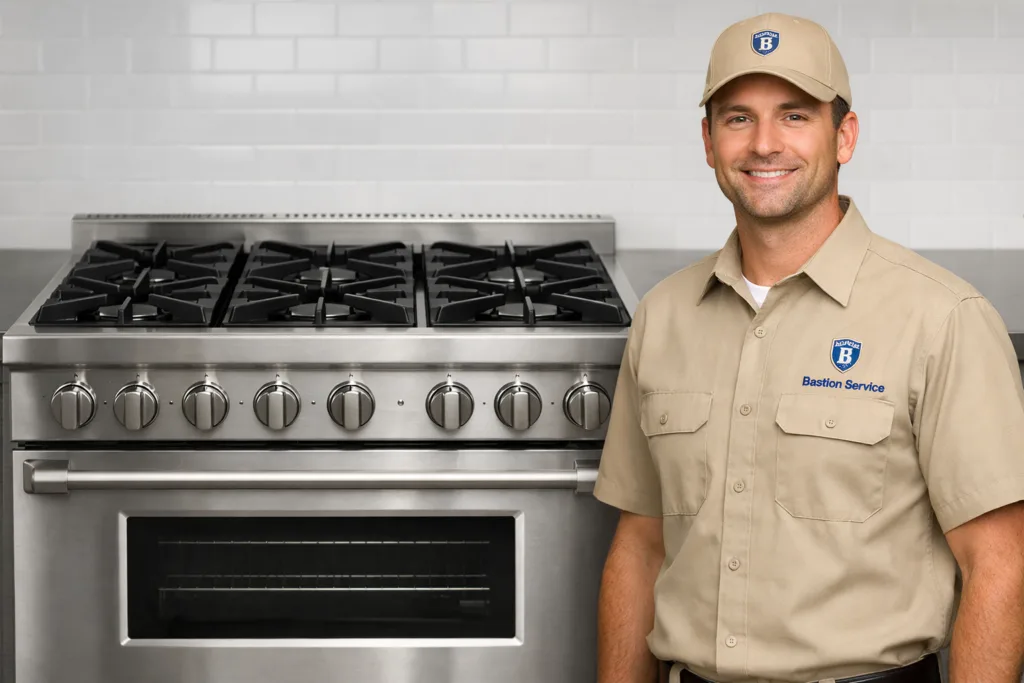






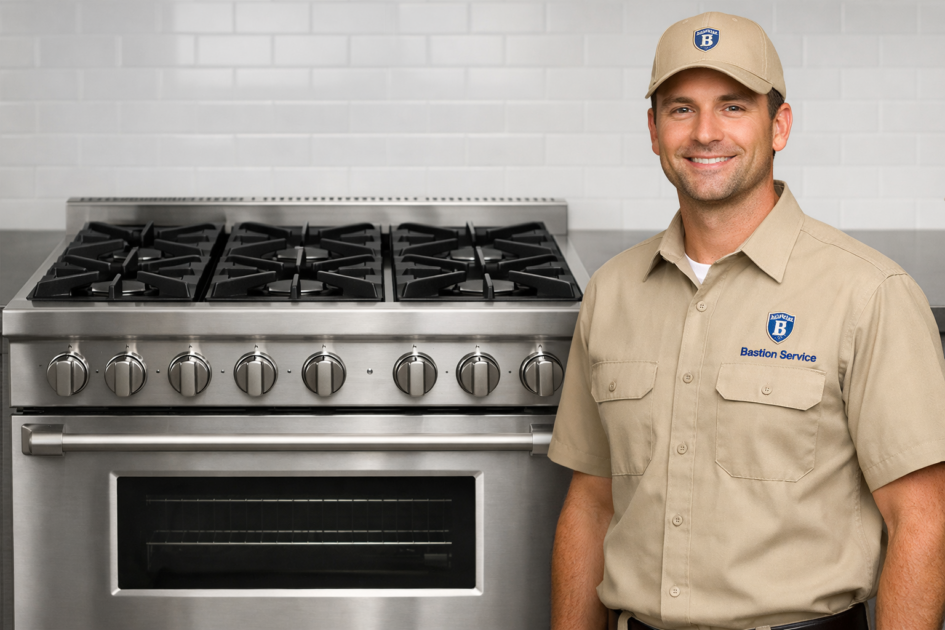
Range problems can interrupt prep, slow ticket times, and make it harder for staff to trust cooking results from one shift to the next. For businesses in Palms, service is most effective when the unit is evaluated around the exact symptoms showing up on the line, how often they occur, and whether the problem affects top burners, the oven section, controls, or overall heat stability. Bastion Service works on Wolf range issues with that service-first approach so repair scheduling is tied to operating impact rather than guesswork.
Related commercial service paths in Palms include Wolf Commercial Repair in Palms, Wolf Oven Repair in Palms, and Wolf Fryer Repair in Palms.
How Wolf range problems usually show up in daily operation
Most range failures do not begin as a total shutdown. They often start with a burner that clicks longer than normal, an oven that seems slow to recover, a hot spot that appears during rush periods, or controls that respond inconsistently. Those early symptoms matter because they can point to different fault paths, including ignition wear, burner contamination, temperature-sensing problems, gas flow irregularities, damaged wiring, or failing control components.
In a busy kitchen, even a “small” symptom can create larger workflow issues. If one burner lags, staff may shift pans to other stations. If oven heat drifts, cook times change and product consistency suffers. If the unit works only intermittently, managers are forced to decide whether to keep using it, reduce menu output, or stop service long enough to avoid a bigger failure.
Common symptom groups and what they may indicate
Burners that do not light right away
Slow ignition, repeated clicking, or burners that fail to light at all can be related to igniters, switches, clogged burner ports, moisture after cleaning, misaligned burner parts, wiring problems, or gas supply issues. The useful distinction is whether the issue affects one burner or several. A single-burner problem may suggest a localized component fault, while multiple burners acting up can point toward a broader supply, electrical, or control issue.
If staff are relighting burners repeatedly or waiting through long ignition delays, service should be scheduled before the problem causes a no-heat station during production.
Weak flame, yellow flame, or uneven burner output
When flame strength drops or heat becomes uneven, the cause may involve restricted airflow, burner buildup, valve problems, regulator-related issues, or partial blockage in the burner assembly. Operators usually notice this as slower cook times, poor pan response, or burners that look active but do not deliver expected heat.
This type of symptom is worth addressing early because uneven output affects both food quality and line speed. What looks like a minor burner issue can become a broader reliability problem if the same section is pushed through daily service without correction.
Oven not heating properly or drifting off set temperature
If the oven runs cold, overheats, or struggles to hold temperature, the fault may involve the sensor, thermostat, igniter, valve, relay, element on electric sections, or the control system. Temperature complaints are especially important to diagnose correctly because several different parts can create similar results.
Signs to note include long preheat times, inconsistent browning, slow recovery after opening the door, or results that vary even when staff follow the same process. Those details help separate a calibration concern from a part failure that needs repair.
Intermittent shutdowns or controls acting unpredictably
A range that drops out during service or behaves differently under heavy use may have a loose electrical connection, failing board, overheating protection issue, switch failure, or utility-related interruption. Intermittent problems are often the most disruptive because they may disappear during slower periods and return when demand is highest.
If a Wolf range works in the morning but becomes unstable during lunch or dinner production, that pattern is worth reporting during scheduling. Load-related symptoms can help narrow the cause faster.
Clicking, odor changes, or performance shifts after cleaning
After cleaning, moisture intrusion, moved burner components, residue, or disturbed connections can interfere with ignition and burner performance. Repeated clicking with delayed lighting often appears after parts are reassembled slightly out of position. A sudden change in flame appearance or heating pattern after cleaning also deserves attention.
If there is a persistent gas odor, stop using the appliance and follow appropriate safety steps before arranging repair. If there is no gas smell but ignition behavior has clearly changed, the range still needs inspection before returning to normal use.
Why timing matters with range repair
Range issues tend to spread operationally before they spread mechanically. A single unreliable burner leads staff to crowd other stations. An oven that drifts off temperature creates slower throughput and more remake risk. Controls that require repeated resets take attention away from the line. For businesses in Palms, early service often helps prevent a manageable repair from turning into a larger disruption during the busiest part of the day.
Scheduling is also important when the same symptom keeps returning. If a burner lights only after several tries, if the oven repeatedly misses set temperature, or if operators rely on workarounds to keep production moving, the problem is no longer random. It is a recurring fault pattern that should be tested directly.
When continued use can make the situation worse
Continuing to run a range with poor ignition, unstable heat, or erratic controls can increase wear on related components and make diagnosis more complicated later. A unit that is misfiring may place extra strain on ignition parts. A range operating with poor temperature control may affect valves, sensors, or adjacent components while also creating quality and safety concerns for staff.
The decision to pause use depends on the symptom. Minor performance drift may allow limited operation until service is scheduled, but repeated failed ignition, strong odor, frequent shutdowns, or clearly abnormal flame behavior should be treated more seriously. If the equipment is no longer predictable, it is no longer supporting the kitchen the way it should.
Repair or replace: how businesses usually make that call
Repair is often the right move when the Wolf range is still a good fit for the kitchen, the fault is limited to serviceable components, and the unit remains structurally sound. Replacement becomes more relevant when there are repeated major failures, unresolved control problems, rising downtime, or repair costs that no longer make sense compared with the equipment’s remaining useful life.
The best decision usually depends on more than the part cost alone. Owners and managers often weigh the current condition of the range, the frequency of breakdowns, availability of parts, production importance, and the cost of interrupted service. A symptom-based diagnosis helps determine whether the issue is a focused repair or a sign of broader decline.
What to have ready before a service visit
Helpful information can shorten diagnosis time and make scheduling more productive. It is useful to have:
- The model number if available
- Whether the issue affects burners, oven operation, or both
- The exact symptom, such as clicking, delayed ignition, weak flame, overheating, or shutdowns
- When the problem started and whether it is constant or intermittent
- Whether the issue appears at startup, during heavy use, or after cleaning
- Any recent utility interruptions, movement, or maintenance history
Staff observations are often more valuable than general descriptions like “not working right.” Knowing which burner fails, how long ignition takes, or whether the oven misses temperature only during peak use can make the repair path much clearer.
Service-focused next steps for businesses in Palms
When a Wolf range starts losing ignition reliability, burner performance, or temperature control, the smartest next step is to schedule service before the issue affects more stations or creates unnecessary downtime. A well-documented symptom history helps move from inspection to repair planning faster, gives the business a better picture of likely causes, and supports a practical decision about whether the unit should be repaired now, used only in a limited way, or taken out of service until the fault is corrected.


