
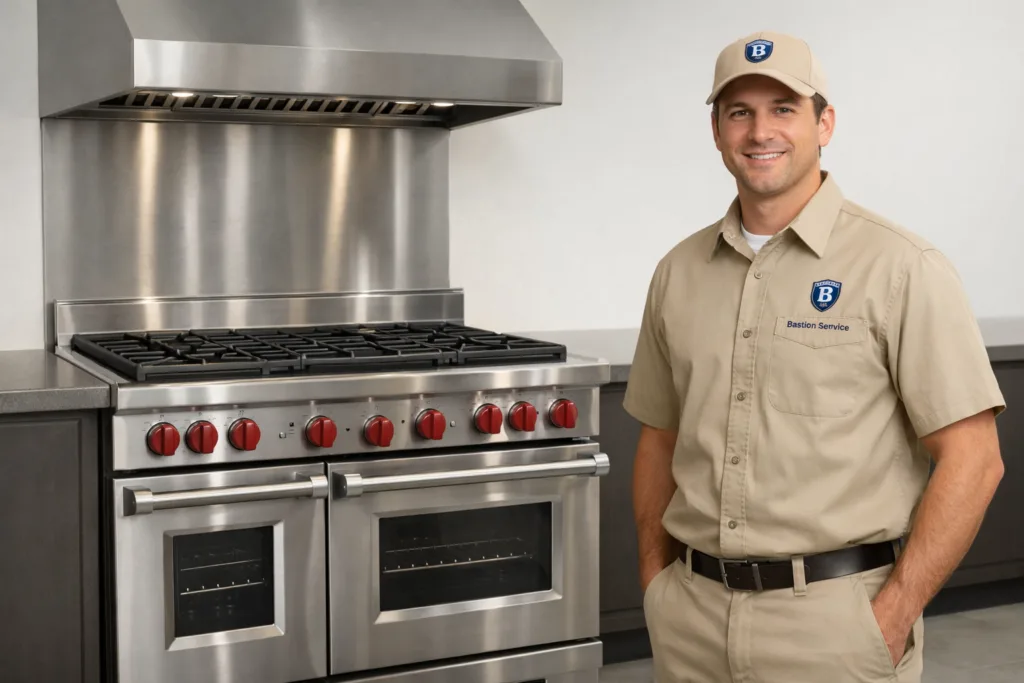




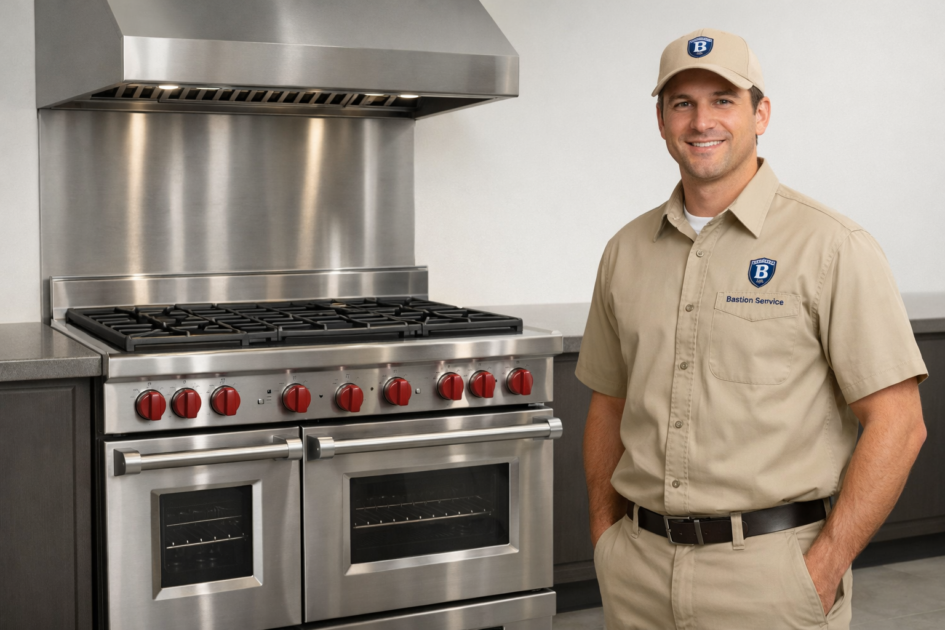
When Wolf cooking equipment starts affecting output, timing, or staff workflow, the most important next step is to move from symptoms to a service decision. Ovens, ranges, and fryers can show similar warning signs for very different reasons, so scheduling diagnosis early helps businesses in Palms avoid avoidable downtime, product inconsistency, and rushed last-minute workarounds. Bastion Service provides repair support for business kitchens that need fault isolation, repair planning, and scheduling built around real operating impact.
For specific equipment paths in Palms, review Wolf Oven Repair in Palms, Wolf Range Repair in Palms, and Wolf Fryer Repair in Palms.
Wolf cooking equipment problems that deserve prompt attention
Cooking equipment issues often begin as a nuisance and then turn into a service interruption. A unit that heats more slowly, lights inconsistently, or drifts off temperature may still appear usable for a short time, but these problems usually put pressure on prep, line timing, and food quality. For businesses in Palms, the repair question is not only whether the equipment still powers on, but whether it can keep up with normal demand safely and consistently.
Heating loss and slow recovery
If a Wolf oven or fryer is taking too long to reach operating temperature, dropping heat during use, or recovering slowly between loads, production usually feels the effect before the fault becomes obvious. Slow recovery can lead to longer ticket times, uneven cooking results, and unnecessary strain on nearby equipment as staff shift work to other stations. These symptoms may involve heating components, controls, sensors, gas-related issues, or electrical faults depending on the equipment type and model.
When recovery problems show up repeatedly, it is usually a sign that the unit needs more than routine adjustment. Service is worth scheduling before the problem grows into a no-heat condition or a broader shutdown during a busy period.
Ignition trouble and burner inconsistency
Ranges and fryers often reveal trouble through delayed ignition, clicking without normal startup, weak flame, uneven burner performance, or burners that fail intermittently. In daily kitchen use, those symptoms can create unpredictable cook times and force staff to keep checking whether the unit is actually operating as expected.
Ignition complaints can stem from several different sources, which is why part swapping and guesswork often waste time. If a burner lights only some of the time, or if startup has become unreliable, a proper repair visit helps determine whether the issue is isolated or part of a larger control or safety problem.
Temperature control faults
An oven that runs colder than the setting, overshoots temperature, or cycles unevenly can create quality problems long before the unit stops working completely. For some kitchens, this shows up as uneven browning, longer bake times, inconsistent holding results, or repeated staff adjustments to compensate for drifting heat.
Temperature problems matter because they affect more than comfort or convenience. They change production planning, increase waste, and make consistency harder to maintain across shifts. Once operators start relying on guesswork instead of settings, repair becomes a priority rather than a future task.
Unexpected shutdowns during use
Intermittent shutdowns are especially disruptive because they are hard to plan around. A Wolf unit may start normally, run for a while, and then cut out after reaching temperature or after operating under load. That pattern often points to a fault that appears only during real working conditions, which is why the issue can seem to “disappear” when the equipment is idle.
Shutdowns should be taken seriously because they can interrupt service flow without warning. If staff are having to restart equipment repeatedly or avoid using a certain unit at key times, the business is already absorbing the cost of the failure even before a full breakdown occurs.
Equipment-specific symptoms across ovens, ranges, and fryers
Oven performance concerns
Wolf oven repair calls often involve uneven heating, poor temperature accuracy, delayed preheat, failure to maintain set temperature, or controls that do not respond normally. These symptoms can affect batch timing and consistency across multiple orders. If the oven has become unreliable enough that staff are rotating pans, extending cook times, or checking products more often than usual, that usually points to a repair need rather than a one-time irregularity.
Range operation problems
Wolf range repair is commonly needed when burners stop lighting correctly, flame strength varies, heat output becomes uneven, or controls no longer behave predictably. A range problem can affect several stations at once because staff often depend on repeatable burner response for timing and coordination. Even when only one section seems affected, service should confirm whether the fault is limited or likely to spread to other cooking positions.
Fryer reliability issues
Wolf fryer repair is often prompted by slow heat recovery, trouble maintaining oil temperature, startup issues, or shutdowns during active use. In fryer applications, even a moderate performance drop can reduce throughput and lead to inconsistent finished product. If the fryer is forcing smaller loads, longer wait times, or constant monitoring, it is usually time to address the root cause before the unit becomes unusable.
How diagnosis helps businesses make the right repair call
A symptom-based service visit does more than confirm that something is wrong. It helps identify whether the failure is isolated, whether continued use is increasing risk, and whether the repair can be planned around operations or needs immediate attention. That distinction matters for kitchens trying to balance service commitments, staffing, and equipment availability.
Two units with similar complaints may require very different repairs. For example, inconsistent heating could involve controls on one unit and a separate component failure on another. Diagnosis creates a better basis for scheduling work, preparing for downtime, and deciding whether temporary adjustments are reasonable or no longer worth the disruption.
Signs continued use may be costing more than waiting for repair
Many kitchens keep marginal equipment in service longer than they should because it still functions part of the time. The problem is that partial function often comes with hidden costs: slower production, staff frustration, wasted product, and a greater chance of a total failure at the worst possible moment.
- Cook times are becoming less predictable from shift to shift.
- Staff have developed workarounds to get acceptable results.
- Burners, heating cycles, or startup behavior are no longer consistent.
- The equipment must be restarted, watched closely, or used only in limited ways.
- Output has dropped enough that other equipment is carrying the load.
When those patterns appear, repair scheduling is often the most practical step. A unit that is technically still running may already be reducing efficiency enough to justify prompt service.
Repair planning and downtime management
For Palms businesses, equipment repair is not only a technical issue but an operations issue. The real concern is how the fault affects service windows, staffing, prep flow, and the ability to maintain consistent output. That is why repair planning should account for symptom severity, likelihood of interruption, and whether the unit can remain in limited use while work is arranged.
In some cases, a single repair resolves the issue quickly. In others, multiple symptoms point to a broader problem that is better addressed in one organized visit than through repeated short-term fixes. Understanding that difference early can reduce repeat downtime and help managers make more informed decisions.
When repair versus replacement becomes part of the conversation
Not every equipment problem leads to replacement, and not every older unit should be retired after one failure. The more useful question is whether the current issue is isolated and repairable or part of a pattern of declining reliability. Age, service history, parts condition, and the role of the equipment in daily production all factor into that decision.
If the unit has become a frequent source of delays, shutdowns, or repeat service calls, it may make sense to evaluate whether continued repair still supports the business. Even then, diagnosis remains valuable because it gives operators a concrete picture of the present fault instead of forcing a decision based only on frustration or guesswork.
Scheduling service for Wolf cooking equipment in Palms
If a Wolf oven, range, or fryer is showing heat loss, ignition problems, control faults, slow recovery, or intermittent shutdowns, a repair visit can help determine what is actually failing and how urgent the repair is. For businesses in Palms, timely service can prevent a manageable issue from turning into longer downtime, more difficult scheduling, and added pressure on the rest of the kitchen. The practical next step is to arrange diagnosis, confirm whether the equipment should stay in use, and move forward with the repair path that best protects operations.


