
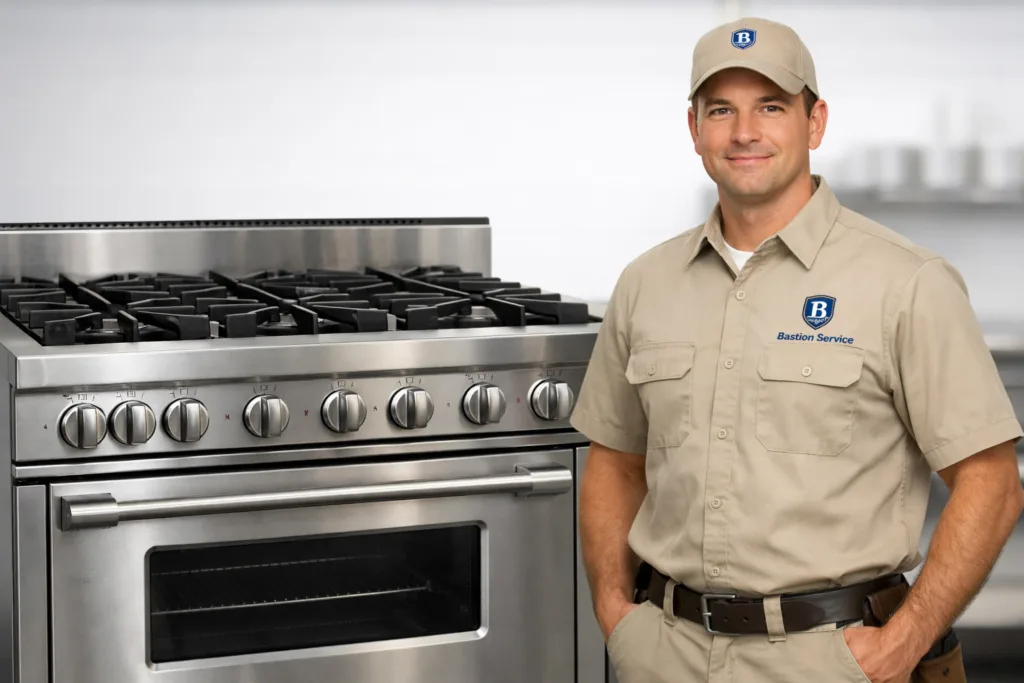




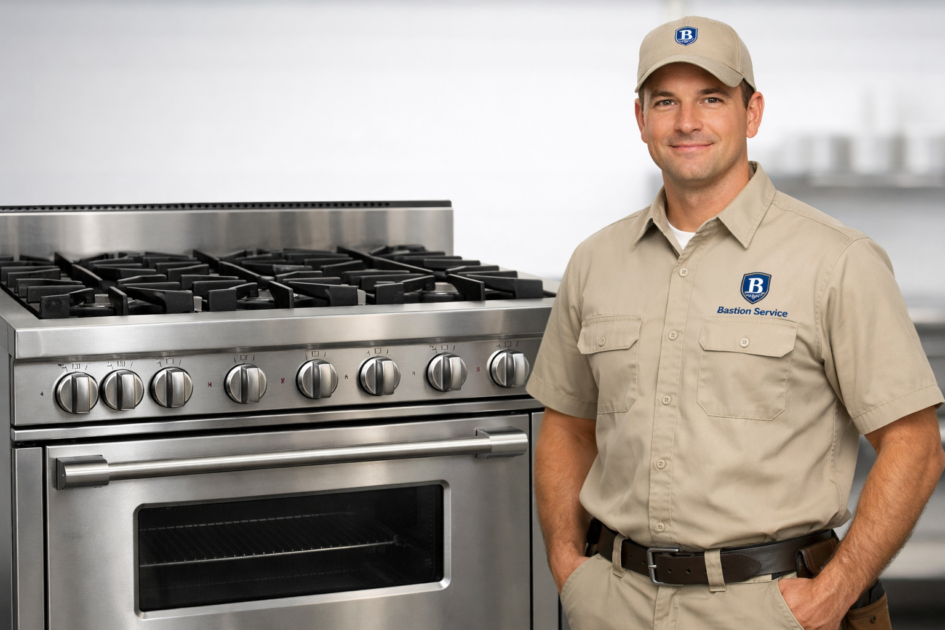
Range problems can slow production long before a unit stops working completely. When burners misfire, the oven cavity heats unevenly, or controls stop responding the way they should, the next step is to match the symptom pattern to the most likely failure and schedule repair around kitchen demands. For businesses in Del Rey, that means looking at how the issue affects prep, line timing, recovery, and safe daily use rather than waiting for a full breakdown.
Related commercial service paths in Del Rey include Wolf Commercial Repair in Del Rey, Wolf Oven Repair in Del Rey, and Wolf Fryer Repair in Del Rey.
Bastion Service handles Wolf range repair for Del Rey businesses that rely on steady heat, reliable ignition, and consistent cooking performance. Service is centered on fault isolation, repair planning, and helping operators understand whether the issue appears limited to one section of the range or points to a broader burner, control, ignition, or temperature regulation problem.
Why a Wolf range may stop lighting, heating, or holding temperature
Many range complaints sound similar at first, but the source is not always the same. A burner that will not light may have an ignition problem, a gas flow issue, contamination around the burner, wiring trouble, or a failing control component. An oven that runs hot one day and cool the next may be dealing with sensing errors, control drift, or a heating problem that shows up only under load.
That is why symptom details matter. Whether the problem affects one burner or several, whether it happens only during startup, and whether temperatures recover slowly during service can all change the repair path.
Burner will not ignite
If a burner does not light at all, the fault may involve the igniter, switch, spark system, wiring, or a fuel delivery issue. In some cases the burner may click normally but still fail to ignite, which points diagnosis in a different direction than a burner with no ignition response at all.
Burner clicks repeatedly or lights late
Repeated clicking, delayed ignition, or burners that light only after several attempts often indicate ignition components that are weakening or contamination that is interfering with normal spark and flame transfer. In a busy kitchen, intermittent lighting can quickly turn into a timing problem during peak production.
Flame is weak, uneven, or unstable
Uneven flame patterns, low flame output, or burners that fluctuate during use may reflect blocked ports, regulator concerns, valve problems, or burner wear. If multiple burners show the same change in performance, shared system causes should be considered rather than assuming each burner has a separate fault.
Oven section is slow to heat or struggles to recover
When the oven portion of the range takes too long to reach temperature or drops heat after the door is opened, the issue may involve heating components, temperature sensing, control response, or airflow-related faults within the unit. This kind of problem often shows up first as longer cook times and inconsistent results.
Temperature swings during normal use
If the range overshoots, undershoots, or cannot hold set temperature, the problem may come from sensor drift, thermostat or control failure, or aging components that no longer regulate heat consistently. For kitchens that depend on repeatable output, temperature instability is often one of the earliest signs that service should be scheduled.
Common Wolf range symptoms that affect kitchen workflow
Wolf ranges in high-use environments often show warning signs before a major failure. Watching for these changes can help businesses in Del Rey avoid unexpected downtime.
- One burner works differently than the others
- Ignition takes longer than usual
- Burners click after lighting or fail intermittently
- Heat settings no longer match actual cooking performance
- Oven bake times begin drifting from normal expectations
- Recovery slows during back-to-back use
- Controls feel inconsistent or stop responding predictably
Even when the range is still operating, these symptoms usually mean performance is already slipping. Waiting too long can lead to a larger interruption during a critical service window.
How diagnosis helps avoid the wrong repair
Replacing a part based only on a general complaint can waste time and extend downtime. A burner that will not stay lit, for example, may involve ignition, flame sensing, contamination, wiring, control issues, or fuel delivery conditions. The same visible symptom can come from several different failures.
A structured diagnosis helps determine what is failing, whether the issue is isolated or shared across the unit, and how urgent the repair is for day-to-day operation. It also helps operators decide whether the range should remain in use, be partially limited, or be taken offline until service is completed.
When to schedule Wolf range repair in Del Rey
Repair should be scheduled once the range begins affecting production consistency, startup reliability, or safe operation. Businesses often wait because the unit still works part of the time, but intermittent problems are usually harder on workflow than a clear single-point failure.
It is smart to arrange service when:
- burners stop lighting on the first attempt
- ignition behavior changes suddenly
- heat output becomes inconsistent across stations
- the oven section no longer cooks evenly
- temperature settings stop matching actual results
- staff have to compensate constantly to keep production moving
These conditions often signal that wear or control problems are progressing and are unlikely to correct themselves.
What to note before a service visit
Helpful symptom details can make range service more efficient. If possible, note which section is affected, whether the issue is constant or intermittent, and whether it appears more often during startup, after preheat, or during heavy use. Also pay attention to whether the complaint involves one burner, several burners, the oven section, or the full unit.
Useful details include:
- which burners fail and which still operate normally
- whether the unit clicks, sparks, or shows no ignition response
- how long the oven takes to heat compared with normal operation
- whether the problem appears only when the range is under demand
- any recent changes in temperature consistency or flame quality
This kind of information supports faster troubleshooting and helps determine the likely repair scope before the issue worsens.
Repair or replacement?
Many Wolf range problems are repairable when the fault is limited to a burner system, ignition component, control part, sensor, or another specific failure point. In those cases, restoring normal function is often more practical than replacing a core piece of cooking equipment.
Replacement becomes a more serious consideration when the range has repeated breakdowns, multiple systems declining at once, or a repair history that keeps disrupting operations. The right decision depends on the condition of the unit, the frequency of downtime, and how critical that range is to daily kitchen output in Del Rey.
Service decisions should match the way the range is used
A range used for continuous line work will show problems differently than a unit used in lighter production. That is why repair planning should be tied to actual kitchen demand, not just whether the equipment powers on. A burner issue that seems minor on paper can still create serious delays if it removes a needed station during active service.
When a Wolf range starts showing ignition trouble, uneven heating, or unstable temperature control, timely service usually protects both output and repair cost. The most useful next step is to schedule diagnosis based on the exact symptoms, keep the description specific, and address performance changes before they turn into a full shutdown.


