





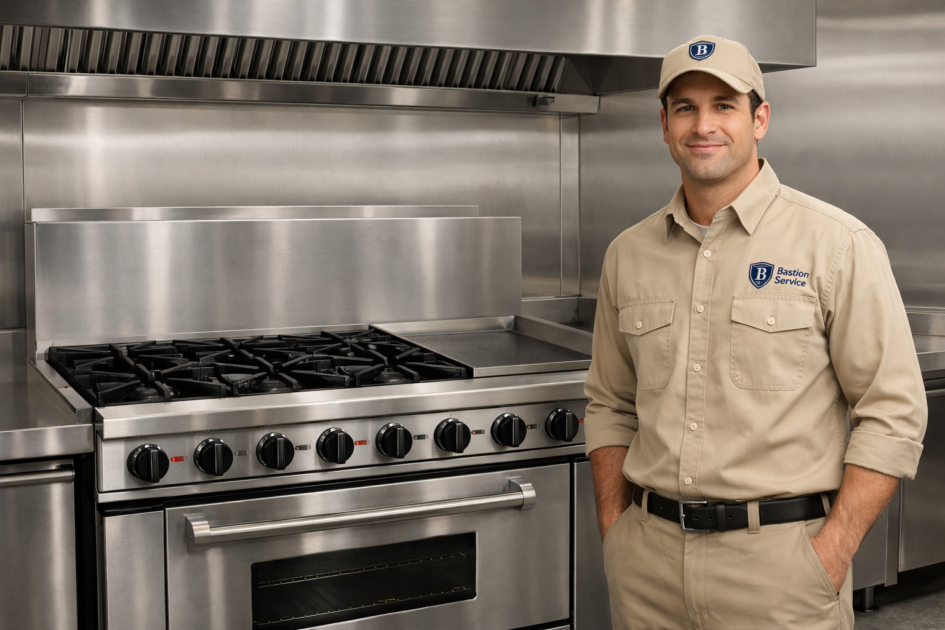
Range problems can disrupt prep, delay orders, and make it harder for staff to work consistently through a full service period. When a Southbend unit begins showing burner, ignition, or oven-performance issues, service should focus on what the range is doing under real operating conditions, how quickly the problem is affecting output, and whether continued use risks a bigger failure. Bastion Service provides Southbend range repair for businesses in Del Rey with diagnosis, repair scheduling, and next-step recommendations based on the actual symptom pattern rather than guesswork.
Related commercial service paths in Del Rey include Southbend Commercial Repair in Del Rey, Southbend Oven Repair in Del Rey, and Vulcan Range Repair in Del Rey.
For many kitchens, the most important question is not just what failed, but whether the problem is isolated to one section or points to a broader issue within the range. A burner that clicks without lighting, an oven that drifts off target, or a control that no longer responds normally can each have more than one possible cause. A service visit that starts with fault isolation helps reduce wasted time, unnecessary parts replacement, and avoidable downtime.
Why a Southbend Range May Stop Lighting, Heating, or Holding Temperature
Southbend ranges are built for demanding kitchen use, but daily wear, grease buildup, heat exposure, and repeated cycling can gradually affect ignition, burner performance, and oven control accuracy. Similar symptoms can come from different components, which is why the repair decision should match the underlying failure and not only the surface complaint.
- Ignition faults: inconsistent sparking, delayed ignition, repeated clicking, or burners that fail to light
- Burner performance issues: weak flame, uneven heat, yellow flame patterns, or burners that cut out during use
- Temperature-control problems: oven sections that run hot, run cool, cycle poorly, or recover too slowly
- Control and valve wear: knobs that feel loose or stiff, settings that do not respond correctly, or sections that stay on or off unexpectedly
- Electrical or gas-flow issues: faults that affect multiple functions and create inconsistent operation across the range
When these symptoms start showing up during normal production, it usually makes sense to schedule service before staff begin relying on workarounds that reduce consistency and put more strain on the equipment.
Common Southbend Range Problems Seen in Del Rey
Burners that do not light reliably
If a top burner fails to ignite, lights only after multiple tries, or clicks without establishing a steady flame, the issue may involve the igniter, burner assembly, switch, wiring, or gas delivery. In some cases, the fault is limited to one burner. In others, it reflects a larger control or supply problem affecting multiple sections of the range. Delayed ignition should be addressed promptly because it can create both performance and safety concerns.
Weak, uneven, or unstable flame
When the flame is too low, appears uneven, or changes during cooking, the range may struggle to maintain expected output. This can slow production and make it difficult to hold a consistent cooking result from one pan to the next. Burner-port blockage, regulator issues, valve wear, or imbalance in fuel flow can all contribute to this type of complaint.
Oven section running hot, cool, or inconsistently
Temperature swings in the oven compartment often lead to longer cook times, uneven browning, and wasted product. The cause may involve the sensor, thermostat-related controls, ignition components, or heating elements within the oven system. If the oven takes too long to recover after the door is opened, staff may also notice workflow delays during busy periods.
Repeated clicking or intermittent ignition
A range that eventually lights after several attempts can seem usable, but intermittent ignition is often a sign of a developing fault. Repeated clicking, burners that light only sometimes, or sections that drop out during operation usually mean the problem is progressing. Scheduling service early can help prevent a small ignition issue from turning into a broader outage.
Controls, switches, or valves not responding normally
If a knob no longer adjusts heat properly, feels worn, or causes the burner to behave unpredictably, the issue may be mechanical, electrical, or both. These symptoms affect more than convenience. They can interfere with repeatable cooking performance and create risk when staff cannot trust the response of the equipment.
How Symptom-Based Diagnosis Helps Avoid Missteps
Many range problems look similar from the outside. A burner that does not light may appear to be a simple igniter problem, but the true cause could involve contamination in the burner, a switch fault, wiring trouble, or gas-flow issues. An oven that seems inaccurate may not need a calibration adjustment at all if the real problem is inconsistent ignition or a failing sensor.
That is why symptom-based diagnosis matters. Useful repair planning typically starts with questions such as:
- Is the issue affecting one burner, one oven section, or the entire range?
- Did the problem begin suddenly, or has performance been slipping over time?
- Does the fault happen all day or only after the range has been in use for a while?
- Are staff seeing ignition delays, temperature drift, weak recovery, or controls that behave unpredictably?
- Has the unit already had repeat issues in the same area?
Answers to those questions help narrow the fault faster and support a repair path that fits the actual condition of the equipment.
Signs the Range Should Be Serviced Soon
Some problems make the need for service obvious, such as a burner that will not light at all or an oven that no longer heats. Others are easier to postpone even though they are already affecting performance. In day-to-day kitchen operations, it is usually time to book service when the range shows any of the following:
- Ignition takes longer than normal
- Burners click repeatedly before lighting
- Flame output is lower than expected
- Heat is uneven across the cooktop
- The oven overshoots or falls short of the set temperature
- Recovery time becomes noticeably slower
- Controls feel loose, stiff, or inconsistent
- One repairable issue begins affecting staff workflow every shift
When a range is still partly functioning, operators sometimes keep it in service by avoiding one burner, rotating pans, or extending cook times. Those workarounds may keep production moving temporarily, but they often hide a problem that is already getting worse.
What to Note Before Scheduling Repair
Good service starts with accurate information from the people using the range every day. Before the appointment, it helps to note what the unit is doing and when the problem appears. That can make diagnosis faster and help determine whether the issue is isolated or more widespread.
- Which burners or oven sections are affected
- Whether the problem is constant or intermittent
- Any unusual sounds, clicking, delayed ignition, or loss of flame
- Whether the oven is running hot, cool, or inconsistently
- If the issue worsens during peak kitchen use
- Whether staff have noticed recent changes in controls or heat output
Even simple observations can be useful when they show a pattern. A complaint such as “front right burner clicks but does not light after lunch rush” is often more helpful than a general report that the range is acting up.
Repair or Replace?
In many cases, repair remains the sensible option when the failure is clearly identified and the rest of the range is still supporting the kitchen well. A single burner fault, ignition issue, or oven-control problem does not necessarily point to the end of the unit’s useful life. On the other hand, replacement may become the better decision if the range has multiple active failures, recurring breakdowns, heavy wear across several systems, or repair costs that no longer align with operational value.
For businesses in Del Rey, that choice often comes down to three practical factors: how severe the current fault is, how the rest of the range is performing, and how much disruption another failure would cause. A focused assessment helps separate a repairable problem from a sign that the equipment is declining more broadly.
What Businesses in Del Rey Can Expect From Range Service
Effective range service should do more than swap parts and hope the symptom disappears. It should confirm the complaint, inspect the ignition and burner systems, evaluate temperature-related components, and determine whether a control issue is causing broader performance problems. That process is especially important for businesses in Del Rey that rely on consistent cookline output and need repair scheduling that supports daily operations.
When the cause is identified correctly, the next step becomes clearer: address the failed component, verify proper operation, and help restore stable performance without stretching the disruption longer than necessary. If your Southbend range is not lighting properly, struggling to maintain heat, or showing signs of control failure, scheduling service promptly is usually the best way to protect uptime and avoid a more expensive interruption later.


