
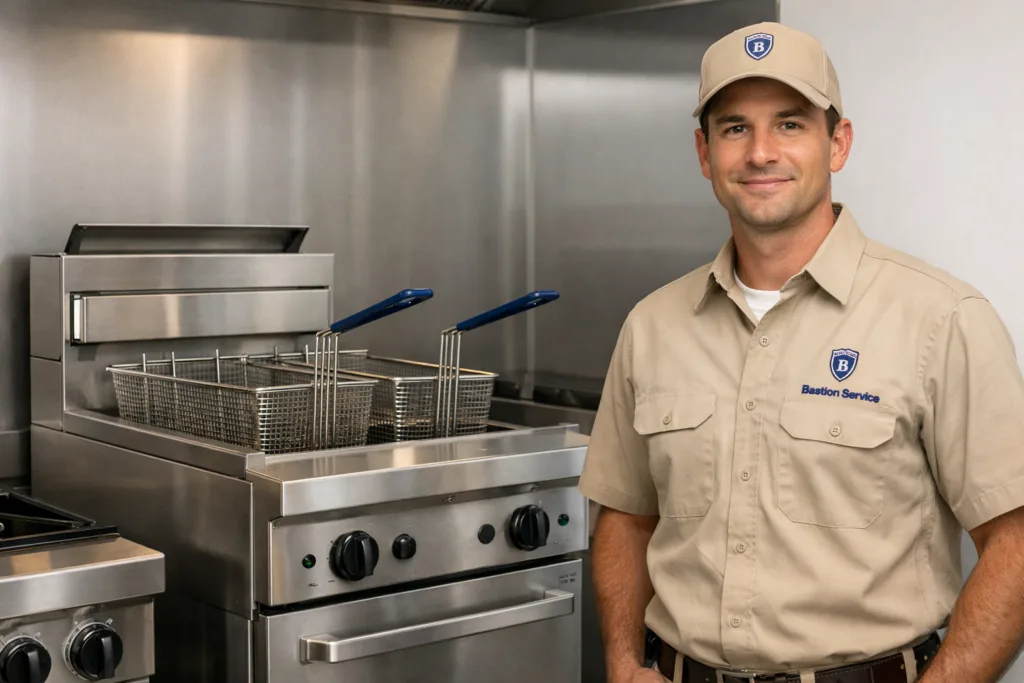




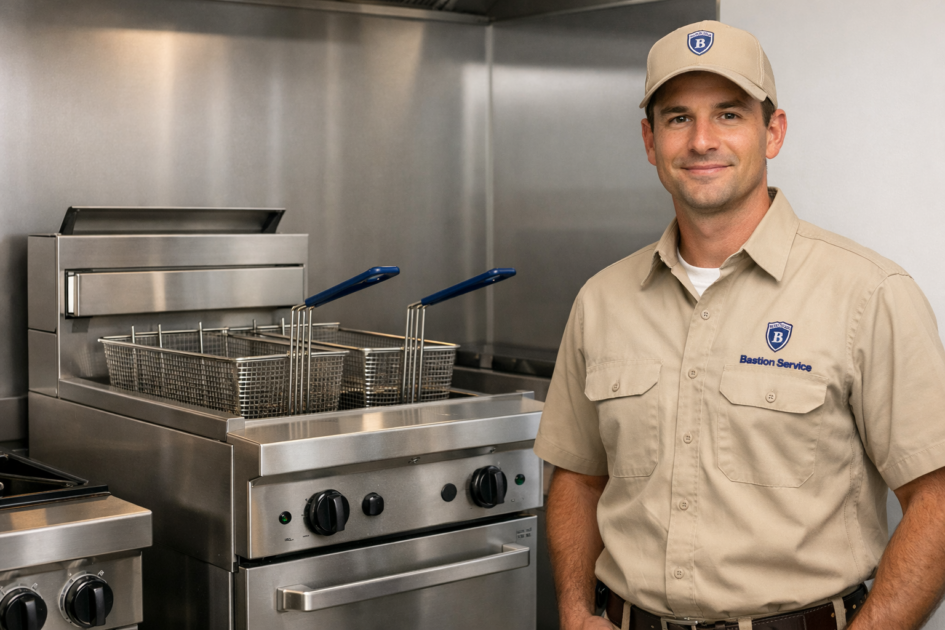
When a Wolf fryer starts missing output targets, dropping temperature between batches, or shutting down during production, the repair decision should be based on the exact symptom pattern and how the unit behaves under load. For Del Rey businesses, that usually means looking beyond the first visible issue to determine whether the problem is tied to heat production, temperature sensing, ignition, controls, wiring, or oil-handling components. Bastion Service schedules Wolf fryer repair with that service focus in mind so operators can make informed decisions about downtime, repair timing, and next steps.
Related commercial service paths in Del Rey include Wolf Commercial Repair in Del Rey, Commercial Fryer Repair in Del Rey, and Wolf Oven Repair in Del Rey.
Why a Wolf fryer may stop heating or recover too slowly
A fryer that does not heat at all, heats inconsistently, or takes too long to recover after a basket drop can affect ticket times, food quality, and oil life. In many cases, the issue is not just “no heat.” The unit may be partially heating, cycling off too early, or failing once it reaches a certain operating condition.
Common causes can include:
- Failed or weakened heating-related components
- Temperature sensor or thermostat problems
- High-limit safety interruptions
- Ignition or burner faults on gas models
- Control board or relay problems
- Wiring or power supply issues
Slow recovery is especially important in a busy kitchen because the fryer may appear functional during startup but fall behind once production begins. If staff notice longer cook times, pale product, or repeated waiting between batches, the unit should be evaluated before the problem affects more of the day’s service.
Temperature swings, overheating, and inconsistent cooking results
Temperature instability often shows up before a full shutdown. A Wolf fryer may overshoot the set temperature, run cooler than expected, or fluctuate enough to produce uneven browning from one batch to the next. These symptoms can point to a sensor issue, control fault, calibration drift, or a problem in the heat regulation sequence.
When the oil temperature is not being controlled correctly, operators may see:
- Food finishing too dark or too light
- Oil breaking down faster than normal
- Longer than expected cook times
- Frequent cycling that does not match normal operation
- Safety shutdowns after overheating events
Overheating should not be ignored. Beyond product loss, unstable heat can put added stress on safety components and controls. If the fryer is running hotter than the setting, dropping sharply, or failing to hold a steady temperature, service is usually the right next move rather than continued trial-and-error use.
Ignition and burner problems that interrupt production
On gas fryers, startup failures and flame-related issues are common reasons for lost kitchen time. The fryer may click without igniting, light and then go out, or lock out after repeated attempts. In some cases, the problem only appears after the unit has been running for a while, which can make the fault seem inconsistent from one shift to the next.
Possible causes include:
- Ignition component failure
- Flame sensing problems
- Gas valve or gas flow issues
- Safety interlock faults
- Control problems affecting the startup sequence
Intermittent burner performance can be difficult to judge without testing because a fryer may restart after cooling down or after being reset. If the unit repeatedly fails to light, loses flame, or stops heating during active use, the problem should be diagnosed before it creates a larger service interruption.
Error codes, resets, and sudden shutdowns
A Wolf fryer that displays fault codes, turns off unexpectedly, or needs repeated resets is usually signaling more than a minor nuisance. Shutdowns can be caused by overheating, sensor faults, failing controls, wiring issues, or components that break down as temperatures rise during normal operation.
These calls often involve symptoms such as:
- The fryer works at opening but fails later in the day
- The control responds inconsistently to settings
- The unit restarts but does not stay running
- Error conditions return after temporary clearing
Repeated resets rarely solve the underlying issue. If a fryer is cycling into fault mode more than once, it is usually better to schedule repair before the pattern turns into a complete outage.
Oil-handling and drain issues that slow operations
Not every fryer service call begins with a heating complaint. Some Wolf fryer problems involve the drain system, filtration process, fittings, or oil leakage. These issues may seem secondary at first, but they can create cleanup delays, safety concerns, and workflow problems for staff.
Operators in Del Rey often schedule service for symptoms like:
- Slow or incomplete draining
- Valve issues that affect oil removal
- Leaks around connections or lower components
- Filtration problems that interfere with normal maintenance
When oil-handling parts are not working correctly, teams may spend more time managing the equipment manually, which increases disruption and can contribute to avoidable wear.
Why symptom-based diagnosis matters
Two fryers can show the same surface symptom and still need very different repairs. A unit that is not heating may have a failed heat source, but it may also be locked out by a safety condition or disabled by a control-chain fault. A fryer that overheats may not need a heating component at all if the root cause is inaccurate sensing or incorrect control response.
That is why symptom-based diagnosis matters before approving parts replacement. It helps separate the actual failure from secondary effects, reduces the chance of replacing working components, and gives the operator a better sense of whether the repair is isolated or part of broader equipment wear.
Signs it is time to schedule service
It is usually time to schedule Wolf fryer service when the unit begins affecting throughput, product consistency, or normal kitchen timing. Waiting for a complete failure can turn a manageable repair into a more disruptive outage.
Schedule service if you notice:
- No heat or weak heat
- Slow temperature recovery
- Frequent cycling or temperature swings
- Ignition failure or burner dropout
- Error codes or repeated shutdowns
- Oil leaks, drain issues, or filtration problems
- Performance changes that are getting worse over time
Gradual decline is still a repair issue. If staff have started adjusting workflow around the fryer because it no longer behaves normally, that is often the clearest sign that service should be arranged.
When continued use can lead to bigger problems
Using a fryer with unstable heat, recurring ignition faults, or repeated safety shutdowns can lead to more downtime and higher repair cost. Components forced to cycle abnormally may wear faster, and overheated oil or inconsistent recovery can create quality issues that affect daily operations immediately.
If the fryer is overheating, failing to regulate temperature, or dropping out during use, continued operation may not be the best choice until the cause is identified. For any persistent gas odor, stop using the fryer and follow appropriate safety steps before arranging appliance service.
Repair or replacement: how businesses usually decide
Many Wolf fryer problems are repairable when the main structure of the unit is still solid and the fault can be traced to a specific control, ignition, sensor, heating, or mechanical issue. In those cases, targeted repair is often the most practical path to restoring normal performance.
Replacement becomes a bigger consideration when the fryer has multiple active failures, a pattern of repeat issues, or overall wear that makes further repair less likely to hold up under normal demand. The decision is usually less about whether the fryer can be fixed and more about whether the repair is likely to return the equipment to stable, usable operation.
Preparing for a fryer repair visit
Before service is scheduled, it helps to note exactly how the fryer is failing. Useful details include whether the unit stops heating completely or only under load, whether the issue began suddenly or gradually, whether fault codes appear, and whether the problem happens at startup or later in the day. Those details can help narrow the likely causes and make the service call more productive.
The most useful next step is to arrange repair when the fryer is still showing the symptom pattern, not after repeated resets have temporarily changed it. For businesses in Del Rey, timely service can reduce unnecessary downtime, protect output, and make it easier to determine whether the unit needs a focused repair or a broader equipment decision.


