
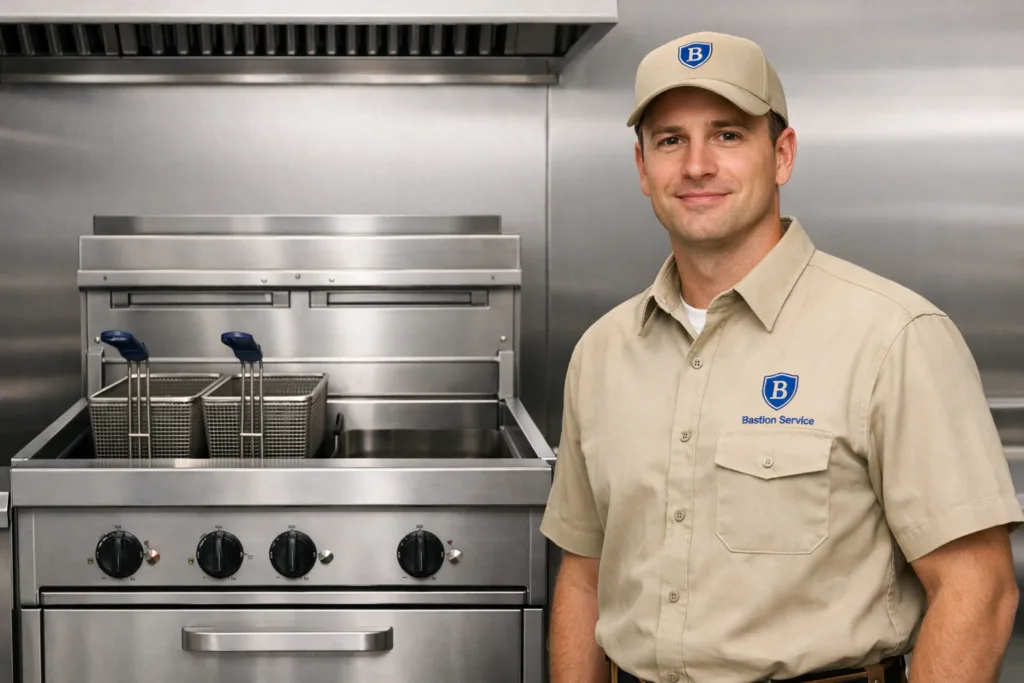




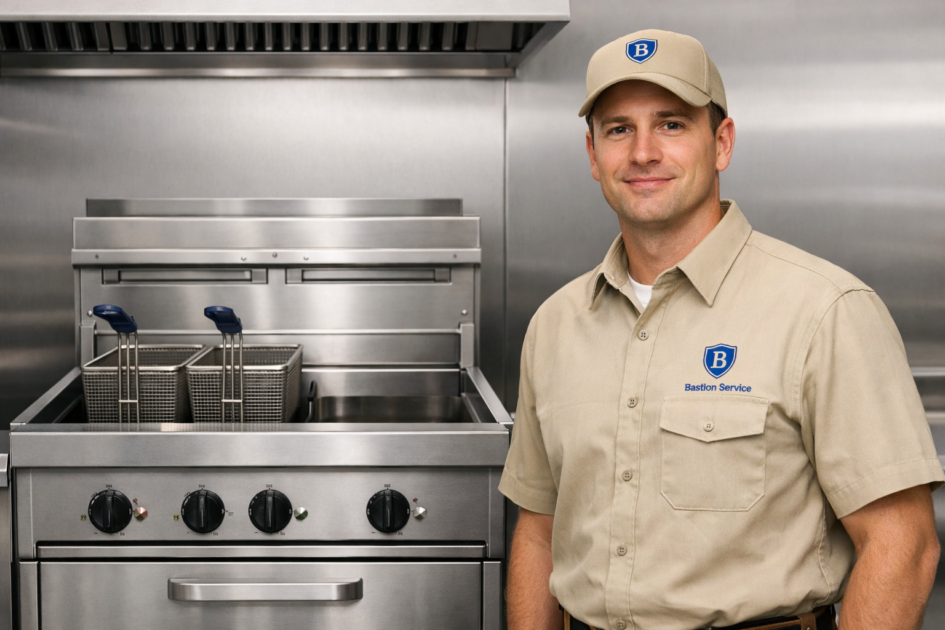
Fryer problems can slow production fast when baskets are waiting, cook times start drifting, or the unit drops out mid-shift. For businesses in Torrance, the best next step is service that identifies whether the problem is tied to heat production, sensing, controls, ignition, safety shutdowns, or wear in the fryer system. Bastion Service handles Wolf fryer repair with an emphasis on symptom-based diagnosis, repair planning, and scheduling that fits the urgency of the equipment issue.
Related commercial service paths in Torrance include Wolf Commercial Repair in Torrance, Commercial Fryer Repair in Torrance, and Wolf Oven Repair in Torrance.
What fryer problems usually mean in day-to-day operation
A Wolf fryer does not need to be fully down to create a serious workflow problem. Some units still power on but recover too slowly between batches. Others maintain heat poorly, overshoot the set temperature, or shut off without warning. In a busy kitchen, those symptoms show up as longer ticket times, uneven product color, extra oil use, and staff adjusting cook times to compensate.
That is why fryer service should focus on how the unit behaves under normal operating load, not just whether it turns on. The repair path can be very different depending on whether the fault is coming from a burner or heating element problem, a temperature sensor issue, a limit or safety condition, or an intermittent control failure.
Why a Wolf fryer may stop heating or recover temperature slowly
When a fryer struggles to heat up or cannot recover well after a basket drop, the underlying issue is often broader than a single bad part. Heat output may be reduced, the temperature may be reading inaccurately, or the control may not be responding correctly during the recovery cycle.
- Weak or inconsistent heating performance
- Burner ignition problems on gas units
- Temperature sensor or thermostat faults
- Control issues that interrupt normal cycling
- High-limit or safety-related interruptions
- Electrical supply or connection problems
Slow recovery is especially important in kitchens that run repeated batches. Even if the fryer eventually reaches temperature, poor recovery can reduce output and create inconsistent results across the shift. Early repair is often less disruptive than waiting for a complete no-heat condition.
Common Wolf fryer symptoms and what they can indicate
No heat or delayed heat-up
If the fryer does not heat at all, heats only intermittently, or takes much longer than normal to reach operating temperature, the problem may involve the main heating system, ignition sequence, controls, temperature sensing, or a tripped safety component. A no-heat complaint should be treated as a repair issue rather than a temporary nuisance, especially when the unit has already shown signs of reduced performance.
Temperature swings and inconsistent frying results
Oil temperature that runs too high, too low, or changes noticeably from batch to batch often points to a control or sensing problem. In practice, this may look like uneven browning, soggy product, shortened oil life, or staff changing timers to make up for inconsistent cooking. If the fryer appears to be working but quality keeps changing, temperature regulation is usually the place to start.
Fryer shuts down during use
Unexpected shutdowns can be caused by overheating protection, intermittent electrical faults, ignition loss, or internal control issues. These problems are often more serious than they first appear because they may only happen under load or after the fryer has been running for a while. A unit that cuts out once in a while often becomes a full outage later.
Ignition failure or burner problems
On gas Wolf fryer models, failed ignition, delayed ignition, or burners that do not stay lit can interrupt preheat and prevent stable cooking temperature. Possible causes include ignition components, flame sensing problems, gas valve behavior, burner condition, or control faults. Because these issues affect both performance and safe operation, they should be checked promptly instead of worked around.
Overheating or tripping limits
If the fryer runs hotter than expected, trips a protective limit, or needs resets to continue operating, the equipment may be reacting to a control failure, airflow problem, sensor issue, or a condition that is allowing heat to rise outside normal operating range. Continued use in this state can stress additional components and increase repair scope.
Oil leaks, unusual sounds, or visible wear
Not every leak or noise means a major failure, but these symptoms should not be ignored. Rumbling, popping, vibration, or signs of leakage around the cabinet or lower area can point to developing mechanical or heat-related issues. If they appear along with heating inconsistency or shutdowns, the fryer should be evaluated before the problem spreads.
Signs the fryer needs service soon
Scheduling service makes sense when the fryer is still running but no longer operating normally. Waiting for total failure often means more downtime and less flexibility in scheduling.
- Recovery time is noticeably slower than usual
- Product color or texture changes without a menu change
- The fryer needs repeated resets or restart attempts
- Heat output seems weaker during busy periods
- The unit cycles off unexpectedly
- Staff are compensating with longer cook times
- The fryer fails to ignite consistently
These warning signs matter because they often show that the fryer is no longer operating within normal control range, even if it has not failed completely yet.
When continued use may cause a bigger repair
Some fryer issues get more expensive when the unit stays in operation without diagnosis. Repeated ignition attempts, overheating, unstable cycling, and intermittent shutdowns can place extra stress on controls, ignition parts, heating components, and electrical connections. What begins as a limited fault can turn into a more involved repair if the fryer keeps running in an unstable condition.
This is especially true when the unit is affecting production but staff continue working around it. If baskets have to be staggered, cook times are being adjusted manually, or volume is being pushed to other equipment, the fryer is already creating operational cost even before a full breakdown happens.
What a service visit should help clarify
A useful fryer diagnosis should answer more than whether a part failed. It should identify the system involved, explain why the symptom is happening, and help the business decide how urgent the repair is. For Wolf fryer service in Torrance, that usually includes checking heating behavior, temperature regulation, ignition performance where applicable, shutdown history, and whether the issue appears isolated or part of a broader reliability pattern.
The most important questions are practical ones:
- Is the fryer safe to keep using before repair?
- Is the failure tied to heating, controls, ignition, or limits?
- Has the problem likely damaged related components?
- Is this a targeted repair or part of a larger wear issue?
- Should service be scheduled immediately to avoid a full outage?
Repair versus replacement considerations
Many Wolf fryer problems are repairable, particularly when the issue is found before repeated overheating, shutdowns, or failed ignition cycles affect other parts. Replacement usually becomes a stronger consideration when the fryer has a long pattern of breakdowns, multiple major faults at once, or overall condition that no longer supports reliable daily use.
The better decision usually depends on the exact failure, the age and condition of the unit, how often it has been down recently, and how costly another interruption would be for the kitchen. Diagnosis comes first, because symptom guessing alone does not show whether the problem is isolated or part of a larger decline.
Preparing for Wolf fryer repair in Torrance
Before service, it helps to note when the problem occurs and how the fryer behaves. Useful details include whether the issue appears during preheat, after a basket drop, only during long runs, or only on some shifts. It also helps to know whether staff have noticed unusual odors, delayed ignition, temperature overshoot, error conditions, or frequent resets. Small operating details often shorten the path to the correct repair.
If the fryer is no longer maintaining safe or stable operation, the best next step is to stop using it and schedule service. For businesses in Torrance, timely Wolf fryer repair can reduce downtime, protect product consistency, and help avoid the larger disruption that follows a complete heating or control failure.


