





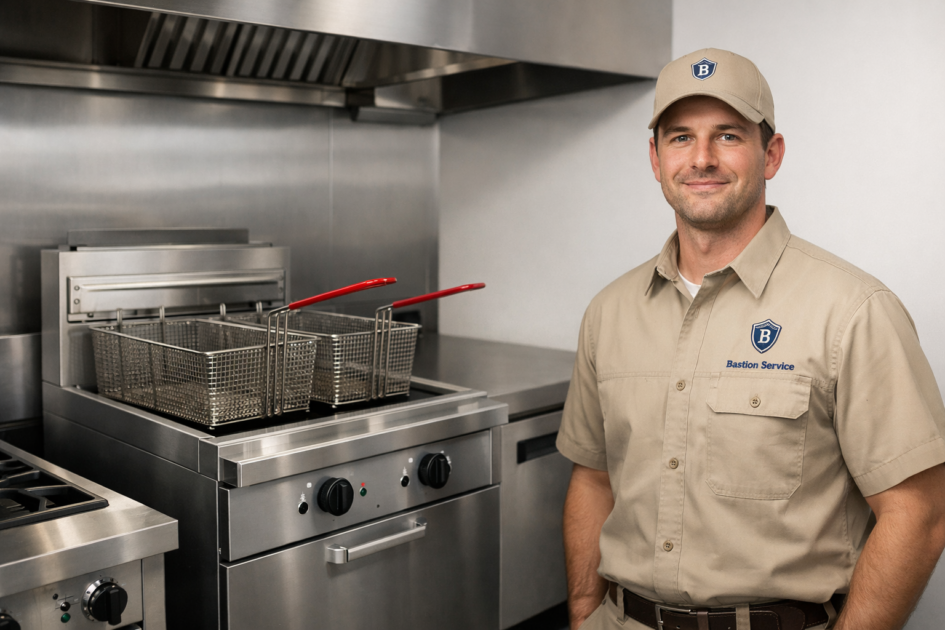
When a Vulcan fryer starts missing temperature, shutting down mid-shift, or taking too long to recover between batches, the repair decision should be based on the exact symptom pattern rather than assumptions. In busy kitchens, one fryer problem can affect output, ticket flow, food consistency, and oil usage within hours. Bastion Service provides fryer service in Torrance with the goal of identifying the fault, checking for related wear, and helping businesses schedule the right repair before downtime spreads through the kitchen.
Related commercial service paths in Torrance include Vulcan Commercial Repair in Torrance, Commercial Fryer Repair in Torrance, and Vulcan Oven Repair in Torrance.
Why a symptom-based diagnosis matters
Fryer failures are not always as simple as they look from the line. A unit that will not heat may have a control issue, a safety issue, a power issue, or a problem in the ignition or heating circuit. A fryer that still runs but struggles during peak demand may be dealing with weak heating performance, sensor drift, burner trouble, or a fault that only appears after the unit has been operating for a while.
That is why symptom details matter. Whether the fryer fails from a cold start, overheats after preheat, needs repeated resets, or loses recovery during heavy production changes the likely repair path. For businesses in Torrance, getting that distinction right helps avoid wasted parts replacement and reduces the chance of repeat service for the same unresolved problem.
Common Vulcan fryer problems and what they often indicate
No heat or failure to start heating
If the fryer does not heat at all, the issue may involve incoming power, heating components, ignition parts, safety limits, controls, relays, or wiring faults. Some units appear completely dead, while others power on but never begin the heating cycle. This is usually a sign to stop forcing restarts and have the fryer checked before additional electrical or control damage develops.
Slow recovery between batches
Slow recovery is one of the most costly fryer problems because it reduces throughput without always causing a full shutdown. The fryer may eventually reach temperature but fall behind once production increases. Possible causes include weakened heating output, burner performance problems, fouled components, control issues, or temperature sensing that is no longer accurate enough to maintain normal cooking rhythm.
In practice, this shows up as longer cook times, inconsistent browning, and staff trying to work around the equipment instead of relying on it. If recovery is slowing, service is usually worth scheduling before the problem becomes a complete outage.
Oil temperature swings
When oil temperature runs too high or too low, food quality and fryer safety both become concerns. Low temperature often leads to greasy product and inconsistent finishing. High temperature can shorten oil life, create repeat high-limit trips, and put stress on internal components. These symptoms can point to thermostat drift, probe problems, control faults, relay issues, or regulation problems that need direct testing rather than guesswork.
Ignition failure or burner trouble
On gas models, delayed ignition, weak flame, intermittent burner operation, or failure to relight can all interrupt normal kitchen flow. A fryer may work for one cycle and fail on the next, which often makes the issue harder to judge from observation alone. Ignition problems can involve flame sensing, gas valve operation, ignition hardware, safety components, or other burner-system faults that affect both performance and safe operation.
High-limit trips and sudden shutdowns
If the fryer repeatedly shuts down or trips a safety device, the cause should be treated seriously. Overheating, control failure, sensing errors, airflow or combustion-related issues, and other operating faults can all trigger shutdown behavior. Repeated resets may get the fryer running temporarily, but they do not solve the reason the protection circuit activated in the first place.
Inconsistent controls or error conditions
Some Vulcan fryer problems appear as irregular display behavior, settings that do not hold, unexplained lockouts, or operation that changes from one shift to the next. These signs often suggest a control-side fault rather than a basic heating complaint. If the fryer seems unpredictable, the repair approach should include both the immediate failure and any related component stress that may have contributed to it.
Leaks, odors, or unusual sounds
Oil leaks, repeated clicking, buzzing from control areas, scorching smells, or visible signs of overheating should not be ignored. In some cases, the problem is limited to a replaceable component. In others, these symptoms indicate broader wear that affects whether repair remains the practical option. Visible deterioration around wiring, controls, or the fry area can change the recommendation quickly.
When fryer problems start affecting kitchen performance
Some failures are obvious because the fryer stops working completely. Others gradually reduce production before anyone labels the unit as down. A fryer often needs service when staff notice any of the following:
- Longer preheat times than normal
- Recovery that lags during rush periods
- Food cooking unevenly from batch to batch
- Oil breaking down faster than expected
- Repeated resets to get through service
- Intermittent ignition or burner dropout
- Temperature readings that do not match actual results
Once the fryer starts affecting output or food consistency, delaying service usually raises the cost of the problem. What begins as unstable temperature control can turn into hard shutdowns, added strain on related parts, or a fryer that can no longer be trusted during busy hours.
Preparing for a service visit
Before scheduling repair, it helps to note what the fryer is doing and when it happens. Useful details include whether the problem appears at startup or after the oil is hot, whether it affects every batch or only heavy production periods, whether there are error messages, and whether staff have been resetting the unit to keep it running. This information helps narrow the likely fault faster.
It is also helpful to identify whether the issue is isolated to one fryer or whether operators are noticing changes in gas performance, electrical supply behavior, or control response on the affected unit only. Even simple observations can make the diagnosis more efficient and reduce unnecessary downtime.
Repair or replacement: how the decision is usually made
Not every Vulcan fryer problem points in the same direction. If the failure is tied to a specific ignition, sensing, control, or heating component and the fryer is otherwise in solid condition, repair is often the right step. If the unit has repeated shutdowns, extensive wear, unreliable temperature control, and a pattern of service interruptions that keep returning, replacement planning may be the more practical choice.
The best decision usually depends on four factors: the confirmed cause of the current failure, the overall condition of the fryer, the urgency of restoring stable kitchen output, and the likelihood that the unit will remain dependable after repair. The goal is not just to restart the fryer, but to return it to steady use without creating another disruption a short time later.
Scheduling service in Torrance before downtime gets worse
If a Vulcan fryer is no longer heating correctly, recovering properly, or holding steady oil temperature, the next step should be a service call based on the symptoms you are seeing in daily operation. For Torrance businesses, early repair scheduling can prevent lost production time, reduce stress on staff, and keep a manageable equipment issue from becoming a full interruption during active service.


