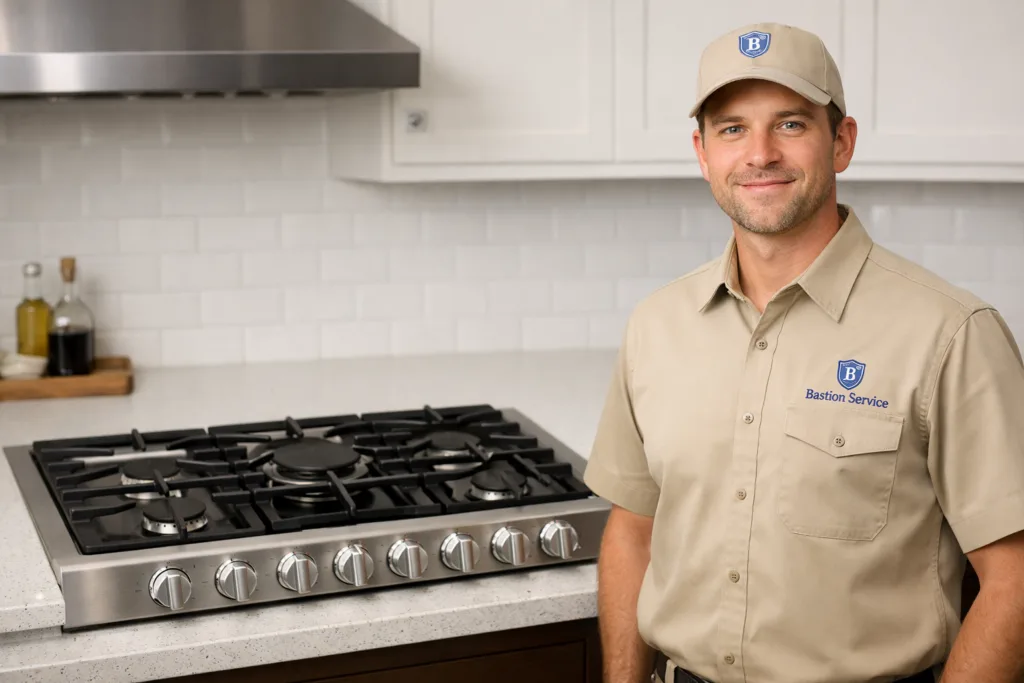
What common Thermador cooktop symptoms usually mean

Cooktop problems often look simple from the surface, but the same symptom can come from several different failures. A burner that will not light might have a dirty burner port, a cap that is slightly out of position, moisture around the igniter, a worn ignition switch, or a spark system problem. On electric or induction-style configurations, a burner that stays cold can point to a failed heating component, damaged wiring, a faulty control, or a problem with the power supply to that zone.
Pattern matters. If only one burner is affected, the issue is often isolated to that burner assembly or its related control parts. If multiple burners stop working correctly at the same time, that usually suggests a broader control, wiring, or power-related fault. Paying attention to whether the problem is constant, intermittent, or tied to recent cleaning or spillover can help narrow the cause faster.
Symptoms homeowners notice most often
- Burner clicks but does not ignite: commonly tied to clogged ports, cap alignment, moisture, igniter wear, or spark module issues.
- Continuous clicking after the flame starts: may indicate a wet ignition area, a dirty switch, or a failing ignition component.
- Weak flame or uneven heating: often caused by burner blockage, burner head issues, or improper gas flow at that burner.
- One cooking zone does not heat: may involve the element, switch, sensor, relay, or internal wiring.
- Cooktop shuts off unexpectedly: can point to overheating protection, control faults, or sensor-related problems.
- Touch or knob controls act inconsistently: often linked to control failures, damaged switches, or electrical faults below the surface.
Burners not heating or taking too long to cook
When a Thermador cooktop heats slowly or unevenly, the cause is not always the burner itself. Gas models may struggle because flame ports are partially blocked or the burner components are not seated correctly after cleaning. Electric and induction models may have trouble regulating heat because of sensor, switch, or control board issues.
If cookware suddenly takes longer to boil, one side of the pan heats more than the other, or the burner cycles in a way that feels unusual, it is worth having the problem checked before performance gets worse. A single underperforming burner may be a contained repair. If several zones are behaving the same way, the problem is more likely to involve shared controls or incoming power.
Ignition problems and nonstop clicking
Clicking without ignition is one of the most common complaints on gas cooktops. Sometimes the fix is simple, such as correcting burner cap placement or allowing moisture to dry after cleaning. In other cases, the clicking continues because the ignition switch is sticking, the spark module is failing, or debris is disrupting proper ignition.
Repeated clicking should not be ignored, especially if the burner lights inconsistently or needs multiple attempts to start. That kind of repeated strain can wear related ignition parts more quickly. If you also notice delayed ignition, an unusually strong gas smell before lighting, or sparking that continues after the flame is established, it is best to stop experimenting and have the cooktop inspected.
Cracked glass, damaged surfaces, and control concerns
A cracked glass cooktop surface is more than a cosmetic issue. Cracks can spread with heat, affect safe operation, and allow moisture or spills to reach internal electrical components. If the surface is visibly damaged, continued use can increase the chance of larger repairs.
Control issues also deserve prompt attention. Unresponsive touch controls, knobs that do not regulate heat properly, or burners that turn on or stay hot unexpectedly can make the appliance unreliable and unsafe for daily cooking. In many cases, the right repair depends on whether the fault is in the user control, a switch, a sensor, or a larger control assembly.
When to stop using the cooktop
Some symptoms call for immediate caution rather than more testing. Stop using the cooktop if you notice any of the following:
- A strong or persistent gas smell
- A burner that keeps sparking after ignition
- A burner that heats when set to off
- A cracked glass surface
- Repeated tripping of the breaker
- Visible scorching, arcing, or signs of melted wiring
Even if the issue seems limited to one burner, these symptoms can involve safety risks or lead to additional component damage. A proper evaluation is the safer next step.
Repair or replacement: what usually decides it
For many Playa Vista homeowners, the question is not just what failed, but whether the repair still makes sense. The answer usually depends on the age of the cooktop, the condition of the cooking surface, whether the problem is isolated or spread across several functions, and how reliably the unit has performed otherwise.
If the problem is limited to a burner component, ignition part, switch, or a contained control-related failure, repair is often worthwhile. If the cooktop has multiple failing burners, heavy wear, a compromised surface, and broader electrical damage, replacement may deserve consideration. The most useful repair decision comes from matching the exact symptom pattern to the actual failed parts rather than guessing from appearance alone.
What a useful service visit should clarify
A productive appointment should answer a few basic questions quickly: which component has failed, whether the problem is isolated or system-wide, whether continued use risks more damage, and whether the repair is likely to restore normal daily cooking. That matters in Playa Vista homes where the cooktop is part of everyday meal prep and an unreliable burner can disrupt the whole kitchen routine.
If your Thermador cooktop is not lighting properly, heating unevenly, clicking constantly, or showing control problems, the next step is to have the symptom traced to its real source. That makes it easier to decide whether the repair is straightforward, whether additional parts are involved, and what path makes the most sense for reliable household use.