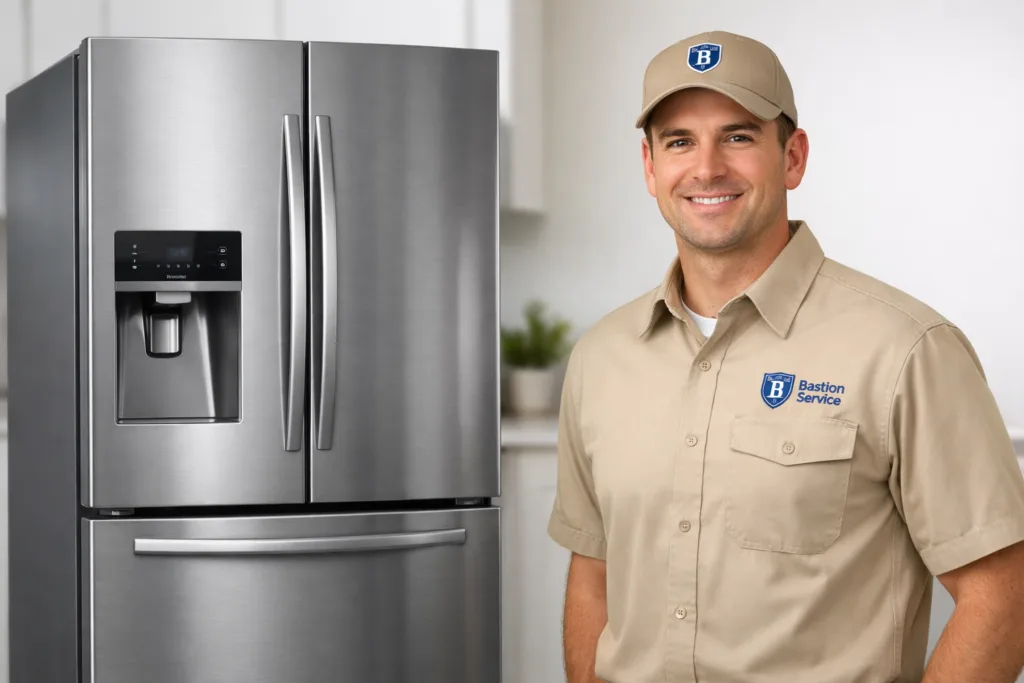
Temperature problems in a Samsung refrigerator rarely stay isolated for long. A slight cooling drop can turn into spoiled groceries, blocked airflow, frost accumulation, or an ice maker that suddenly stops working. The most useful first step is to match the symptom pattern to the parts and systems that commonly cause it, so the repair decision is based on what the appliance is actually doing rather than guesswork.
How Samsung refrigerator problems usually show up
Many household refrigerators from Samsung use multiple sensors, fans, control boards, defrost components, and separate fresh-food and freezer airflow paths. Because of that design, one underlying failure can create several visible symptoms at once. A refrigerator section that feels warm, for example, does not always mean the whole sealed cooling system has failed. In many cases, the freezer is still producing cold air, but that air is no longer moving correctly into the refrigerator compartment.
That is why symptom-based diagnosis matters. It helps separate a drain issue from a defrost issue, a fan problem from a sensor problem, or a major cooling fault from something more limited and repairable.
Common symptoms and what they may indicate
Fresh food section is warm but the freezer still seems cold
This is one of the most common complaint patterns. When the freezer appears normal but the refrigerator compartment warms up, the cause is often related to airflow rather than a total loss of cooling. Possible issues include evaporator frost buildup, a failing evaporator fan, blocked vents, a damper problem, or incorrect sensor readings.
In everyday use, this may show up as drinks that are not quite cold, produce spoiling sooner than expected, or dairy items warming while frozen food still seems solid. If this continues, the refrigerator section usually gets worse before it gets better.
Uneven temperatures from shelf to shelf
If food freezes in one drawer but turns warm on an upper shelf, the refrigerator may have circulation problems, sensor inconsistencies, or developing defrost trouble. Uneven cooling can also happen when frost starts restricting air movement behind interior panels.
Signs homeowners often notice include:
- Items near vents freezing unexpectedly
- Condiments staying cool while milk warms up
- Temperature changes that seem worse after the doors have stayed closed overnight
- One compartment recovering slowly after grocery loading
Water leaking inside the refrigerator or onto the floor
Leaks are often tied to a clogged or frozen defrost drain, but they can also come from the water supply line, filter housing area, or ice maker components. Water under crisper drawers usually points in a different direction than water appearing near the front of the appliance.
Even when the refrigerator still cools, ongoing leaks should not be ignored. Moisture can damage flooring, create odor issues, and lead to repeated ice buildup if the drain path is not corrected.
Frost buildup on the back panel or around vents
Visible frost is a strong sign that something is no longer working normally in the defrost or airflow system. In many cases, heavy frost behind the interior rear panel can block cold air from reaching the fresh-food section. Homeowners may first notice a fan noise, then reduced cooling, and then a refrigerator compartment that becomes steadily warmer.
This pattern often points to problems involving:
- Defrost heater operation
- Defrost sensor or related control issues
- Air circulation restrictions
- Door sealing problems that allow extra moisture inside
Ice maker is slow, clumping, or not producing ice
Samsung refrigerator ice maker complaints are not always isolated to the ice maker itself. Poor ice production can be connected to unstable temperatures, airflow problems, freezing around the assembly, water supply issues, or sensor-related faults. If the refrigerator also has cooling swings or frost buildup, those symptoms may be part of the same root issue.
When ice production drops, homeowners often see one or more of these signs:
- Small batches instead of regular production
- Ice cubes fused together
- No ice after the bin was recently emptied
- Water dripping or freezing in the wrong area
Clicking, buzzing, grinding, or fan-like noises
Noise changes are often early warning signs. A scraping or rubbing sound can happen when frost interferes with a fan. Buzzing may come from a component trying to start or from vibration that has become more noticeable. Repeated clicking can point to electrical or control-related behavior, while a strained sound during long run times may suggest the refrigerator is working harder than normal to maintain temperature.
New sounds matter most when they appear together with cooling changes, leaks, or frost.
Display problems or error codes
Flashing indicators, error codes, or panel behavior that seems intermittent may reflect sensor faults, communication problems, or control board issues. A power reset can occasionally clear a temporary glitch, but if the same display issue returns, the refrigerator usually needs actual testing rather than repeated unplugging and restarting.
What homeowners can check before scheduling repair
There are a few simple checks that can help rule out minor causes without taking the appliance apart:
- Make sure the doors are fully closing and not being blocked by bins or food containers
- Check whether the door gaskets are sealing evenly all the way around
- Confirm the temperature settings were not changed accidentally
- Look for frost on interior panels or around air vents
- Notice whether the refrigerator has been running almost constantly or seems unusually quiet despite warming temperatures
- Check for water collecting under drawers, under the unit, or near the dispenser area
If the problem keeps returning after these basic checks, the next step is usually service rather than continued trial-and-error adjustments.
When service should not wait
Some symptoms are more urgent because they can lead to food loss or additional damage. In Santa Monica homes, it makes sense to schedule service promptly when temperatures are clearly unreliable, water is recurring on the floor, or frost is spreading quickly inside the cabinet.
Priority symptoms include:
- Freezer items softening or thawing
- Refrigerated food warming above normal storage temperature
- Persistent leaking that returns after cleanup
- Frost buildup that keeps getting thicker
- Ice maker failure along with cooling changes
- Unusual noises that become louder or more frequent
When continued use can make the problem worse
Refrigerators are often left running in the hope that they will stabilize on their own, but that can backfire. A unit with blocked airflow may force fans and cooling components to work harder. A defrost-related issue can keep building frost until circulation is severely restricted. A small leak can become floor damage. A door-seal problem can keep pulling in moisture and make frost return even after temporary clearing.
If a Samsung refrigerator in Santa Monica shows the same symptom day after day, waiting usually adds inconvenience and can increase the scope of the eventual repair.
Repair or replace?
Not every refrigerator problem points toward replacement. Many issues are still worth repairing when the cabinet, cooling system, and overall condition of the appliance are otherwise solid. Drain clogs, fan failures, sensor problems, gasket wear, and some ice maker faults are often evaluated very differently from major sealed-system concerns or repeated cooling breakdowns.
A sensible decision usually depends on:
- The exact failed component or system
- Whether the refrigerator is maintaining any stable cooling at all
- The age and overall condition of the appliance
- Whether similar major problems have already happened before
- How extensive the repair path appears once testing is complete
For many households, the key question is not simply whether the refrigerator can be repaired, but whether the repair makes sense compared with the unit’s current condition and recent history.
What a useful service visit should accomplish
Most homeowners do not need a long technical breakdown. They need to know what is failing, whether food storage is still reliable, whether the symptom is likely to worsen, and what the next step should be. Good service should turn scattered symptoms into a clear explanation of what the problem affects and whether repair is the practical move.
For households in Santa Monica dealing with Samsung refrigerator problems, that means looking closely at the full pattern: cooling performance, frost, leaks, noise, airflow behavior, and ice production together rather than as separate annoyances. Once those pieces are connected, the repair path is usually much easier to evaluate.